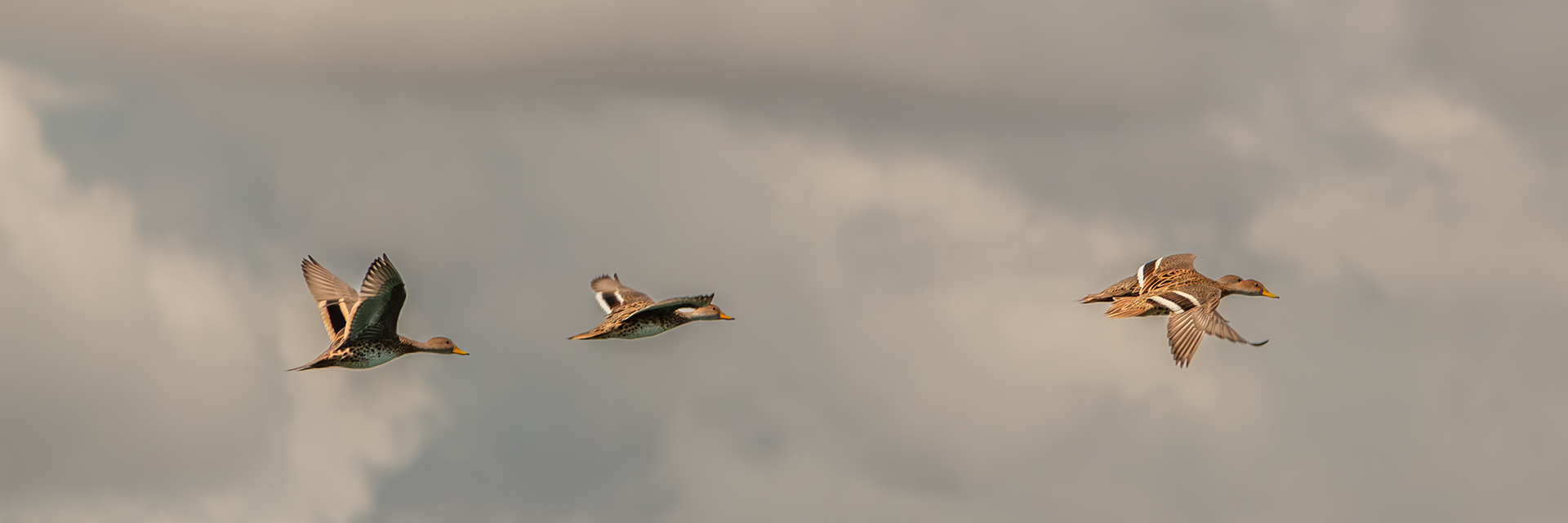
When we traveled to Peru, I was excited about the historic sites – Cusco, Machu Picchu – and the food scene in Lima.
Bird photography was not on the list at all. But still, I did carry the long lens for the trip, just to be sure.
We stayed for a couple of days in Aguas Calientes which is the base camp to Machu Picchu which is located on the Urubamba River.
Evenings gave an excellent opportunity to walk along the river from Sumaq Hotel, and we saw
some amazing torrent ducks and parrots. The next destination in Sacred Valley, Tambo Del Inca
offers a variety of bird watching opportunities within the resort itself.
Our last destination was Hotel Titilaka on Lake Titicaca. This is indeed a legit place for birdwatching.
They did include birdwatching as a daily activity option. The lake and the reed beds in the lake are full of lake birds – ducks, black ibis, herons, geese and
gulls but the most beautiful are the endemic Titicaca Grebe (https://ebird.org/species/titgre1). We spent an entire day dedicated to watching the amazing variety of birds in the region.
Click on the buttons below to filter.
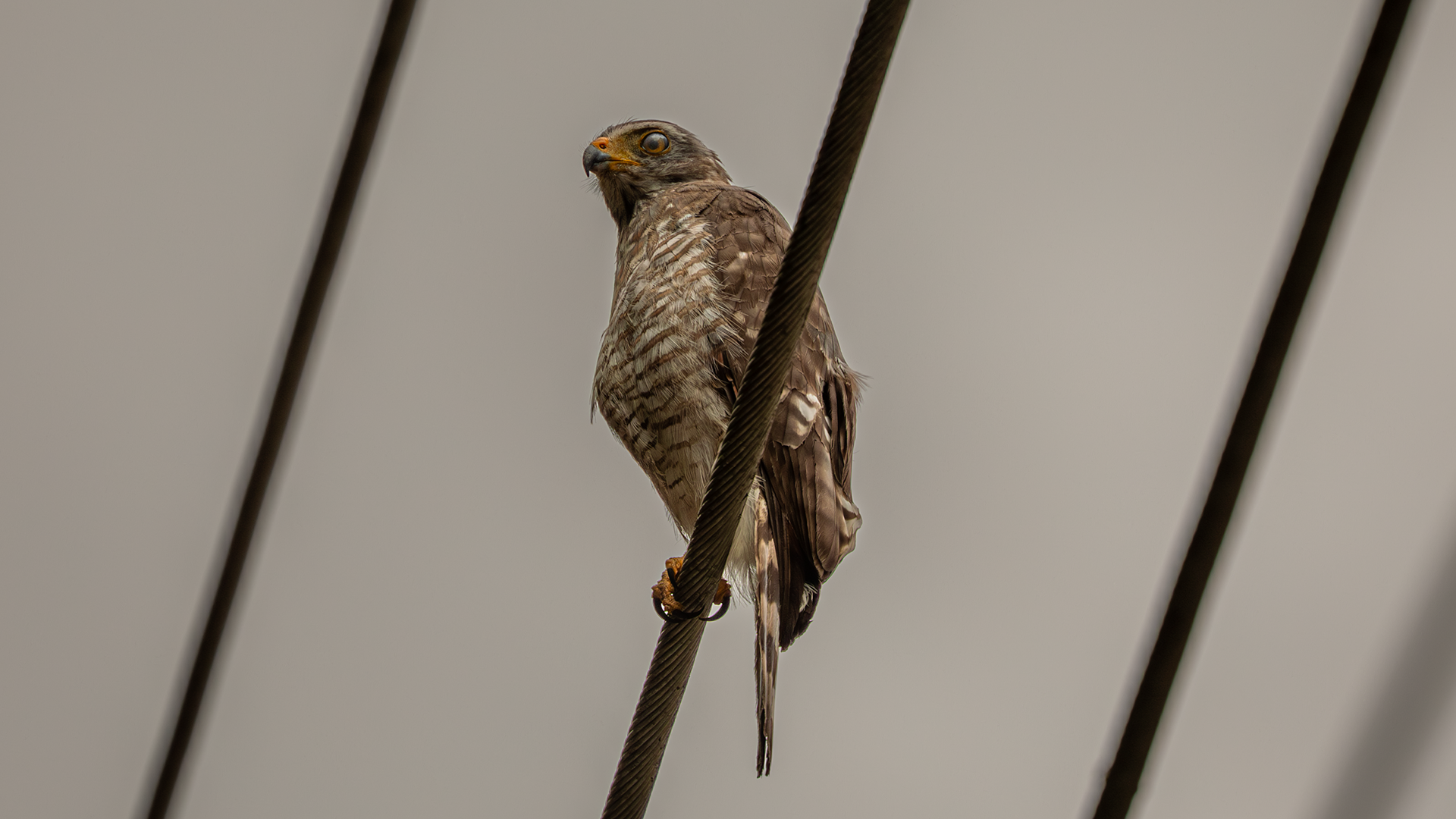
Well-named, the common roadside hawk in tropical lowlands of East Mexico and Central and South America. Often seen on wires, phone poles, posts out in fields. Adult has staring pale eyes, streaked breast contrasting with barred belly. Immature streaked below, much like many other immature hawks, but its tail has broad and fairly even bands. Flies with rather quick, stiff wingbeats, recalling a Red-shouldered Hawk or an Accipiter; noisy flight display mainly in late winter-spring.
Peru . Machu Picchu . 2025
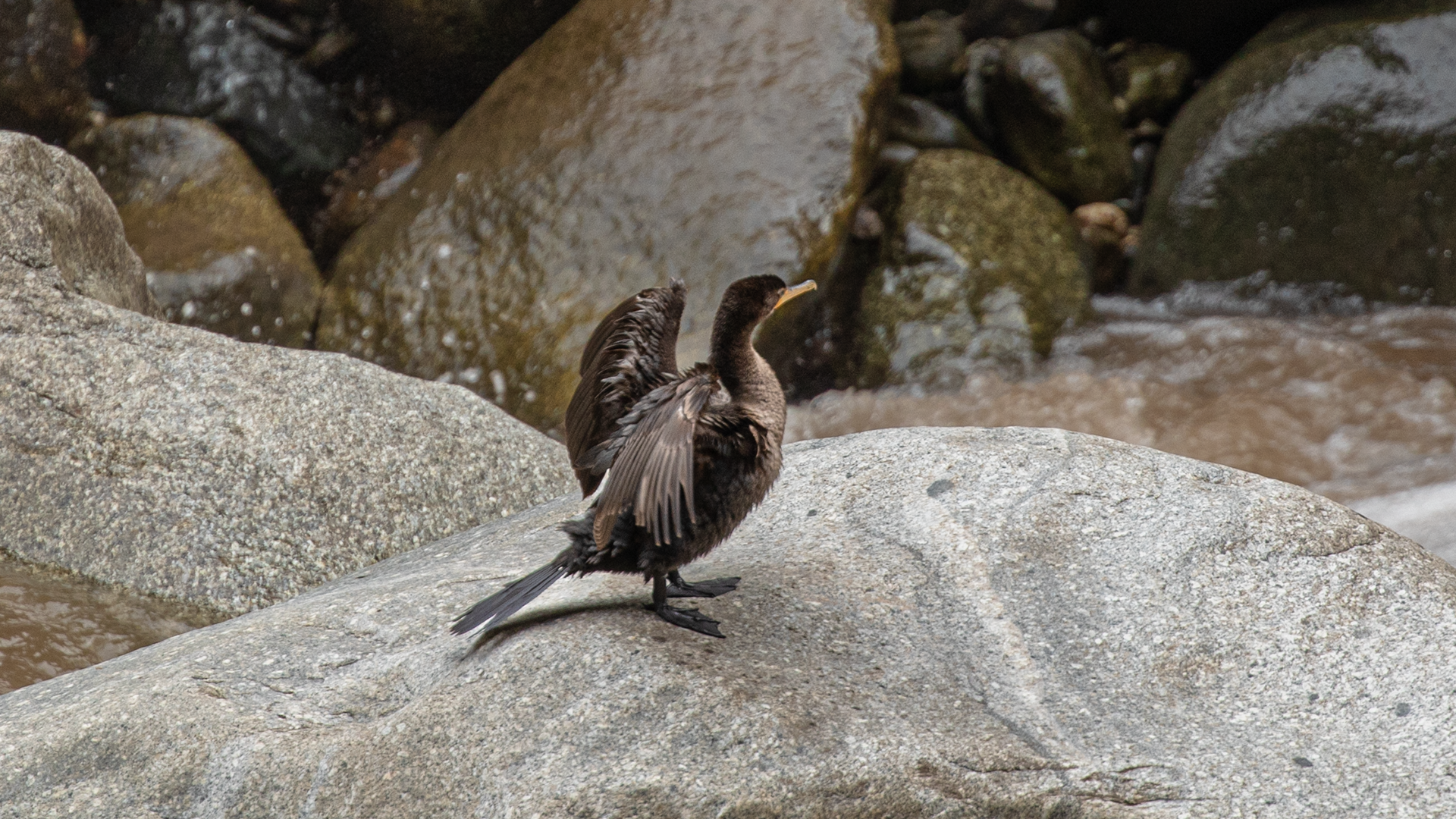
Black body. Immatures have dark brown breast. Orange facial skin comes to a point and is bordered by thin white line. Smaller, longer-tailed and shorter-legged than Double-crested Cormorant. Dives underwater to capture fish. Often perches with spread wings to dry them out. Most widespread species of cormorant from Mexico south.
Peru . Machu Picchu . 2025
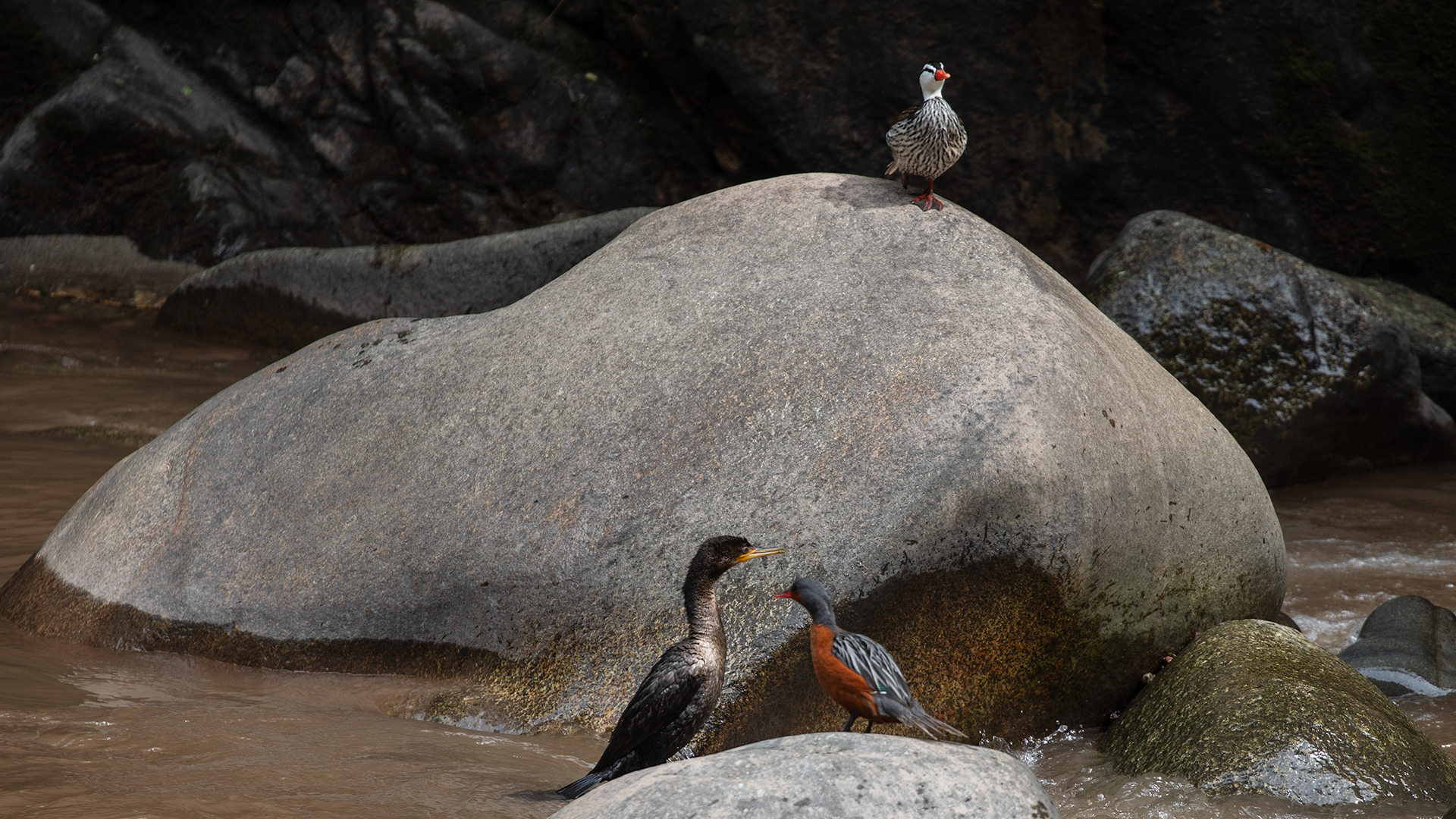
An amazing duck of fast-flowing Andean rivers and streams. Usually seen as singles or pairs resting on rocks in rushing water and not associating with other ducks. Feeds by diving in churning water and pools and is somehow able to swim up-current with no apparent exertion. Sexes look quite different, but both have a bright red bill and striped back; male has a white head with black lines, while female has a gray head and bright rusty underparts. Body pattern of male varies regionally from black overall to striped with whitish or rusty.
Peru . Machu Picchu . 2025
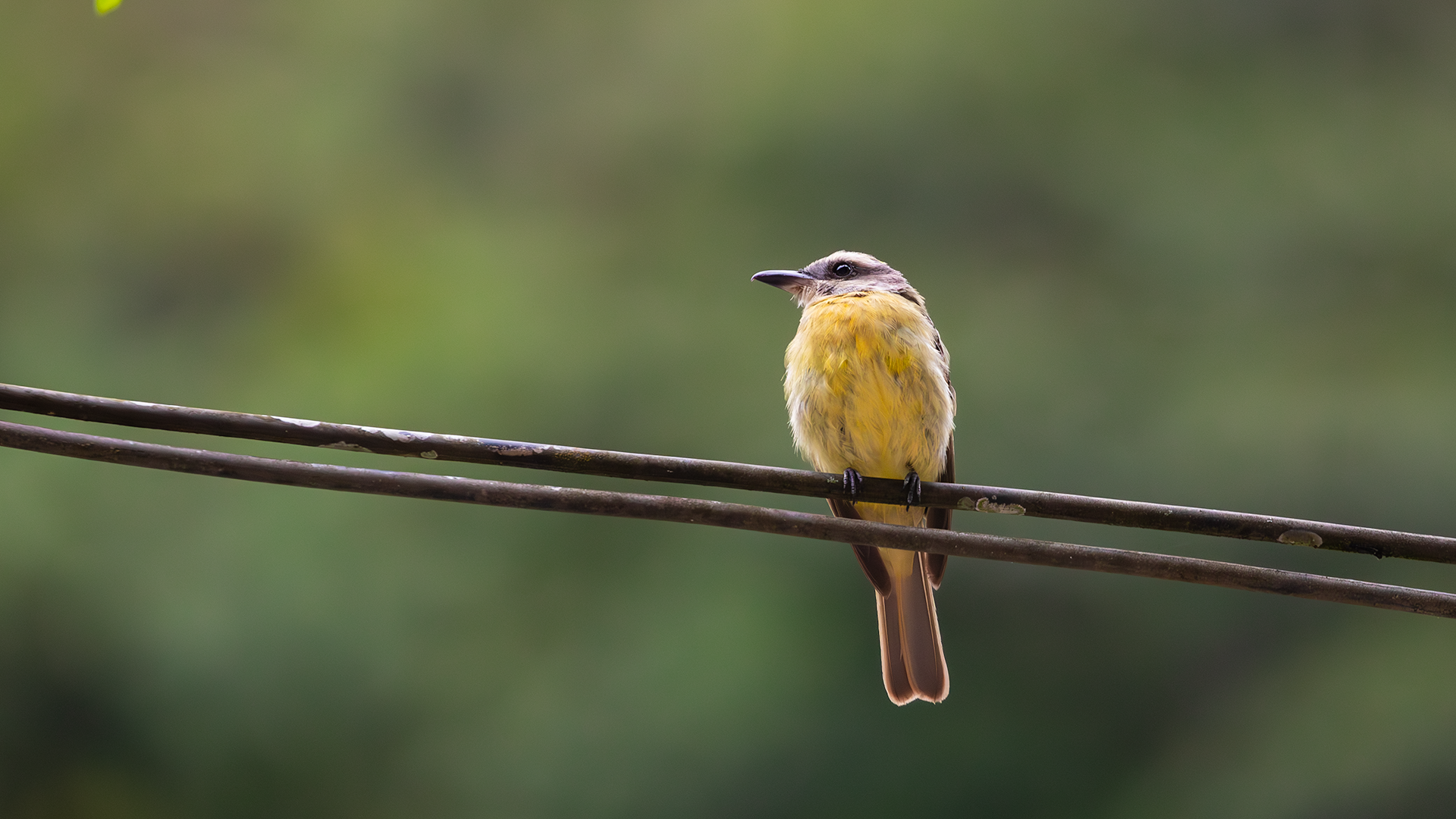
Large flycatcher of Andean cloud forest, usually seen perched high in the trees. Yellow underparts, dark face, and white head stripes are rather kiskadee-like, but Golden-crowned Flycatcher can be distinguished by its white moustache stripe, lack of white throat, and faint streaking on breast. It is also mainly found at higher elevations. Vocalizations include sharp “de-wit” and “chew-di-wit” calls that are repeated every few seconds. Due to a taxonomical revision, this species only includes birds found south of the Marañón River in Peru, Bolivia, and Argentina. Birds north of there are now included with Golden-bellied Flycatcher.
Peru . Machu Picchu . 2025
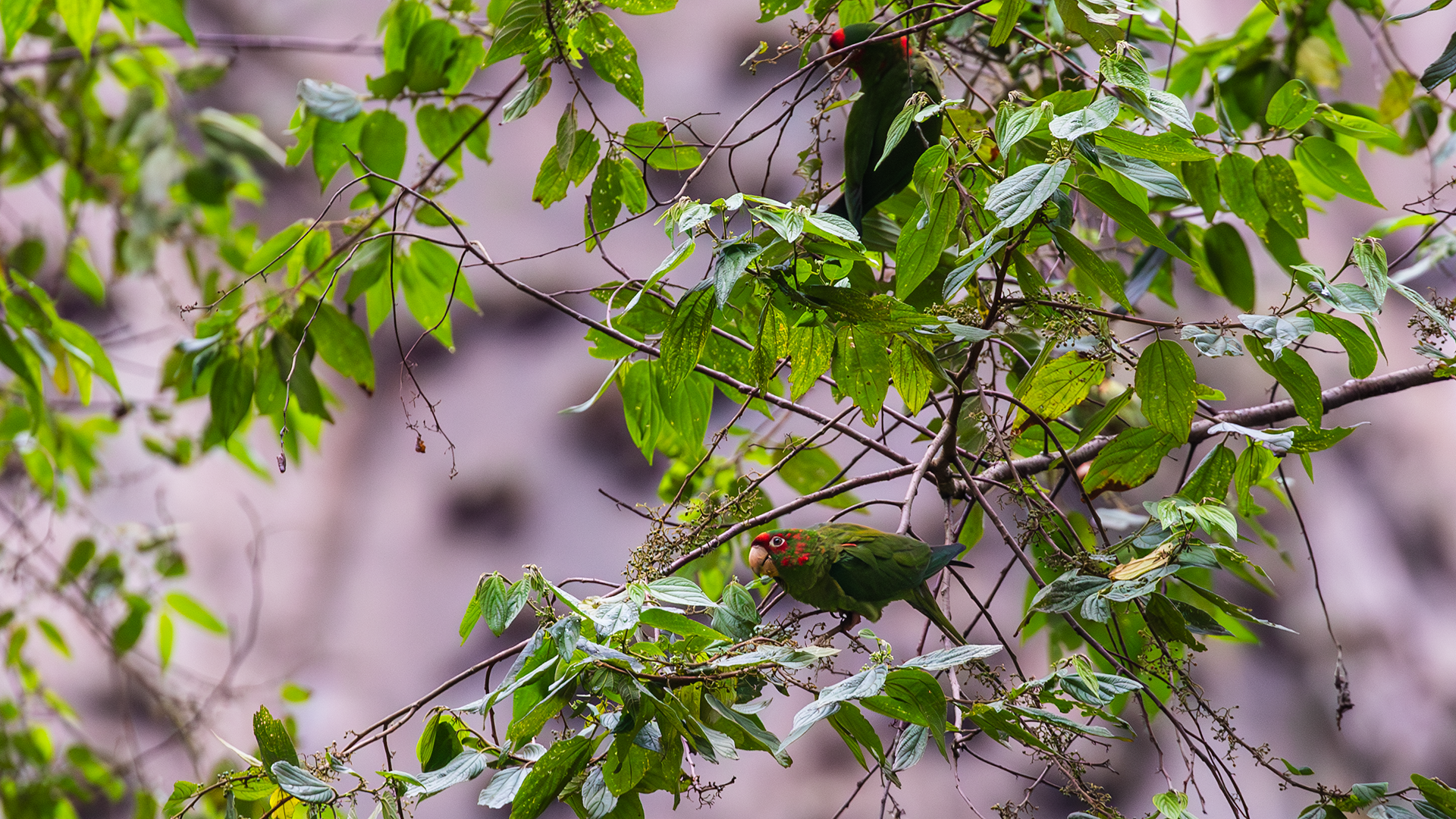
A medium-sized green parakeet with a long tail and scattered red feathers on the face. Similar to Red-masked Parakeet, but the red on the face is usually less extensive and Mitred lacks the red underwings seen on Red-masked. Calls are loud screeches. Introduced to Hawaii and California, where it often coexists with Red-masked Parakeet and forms potential intergrades.
Peru . Machu Picchu . 2025
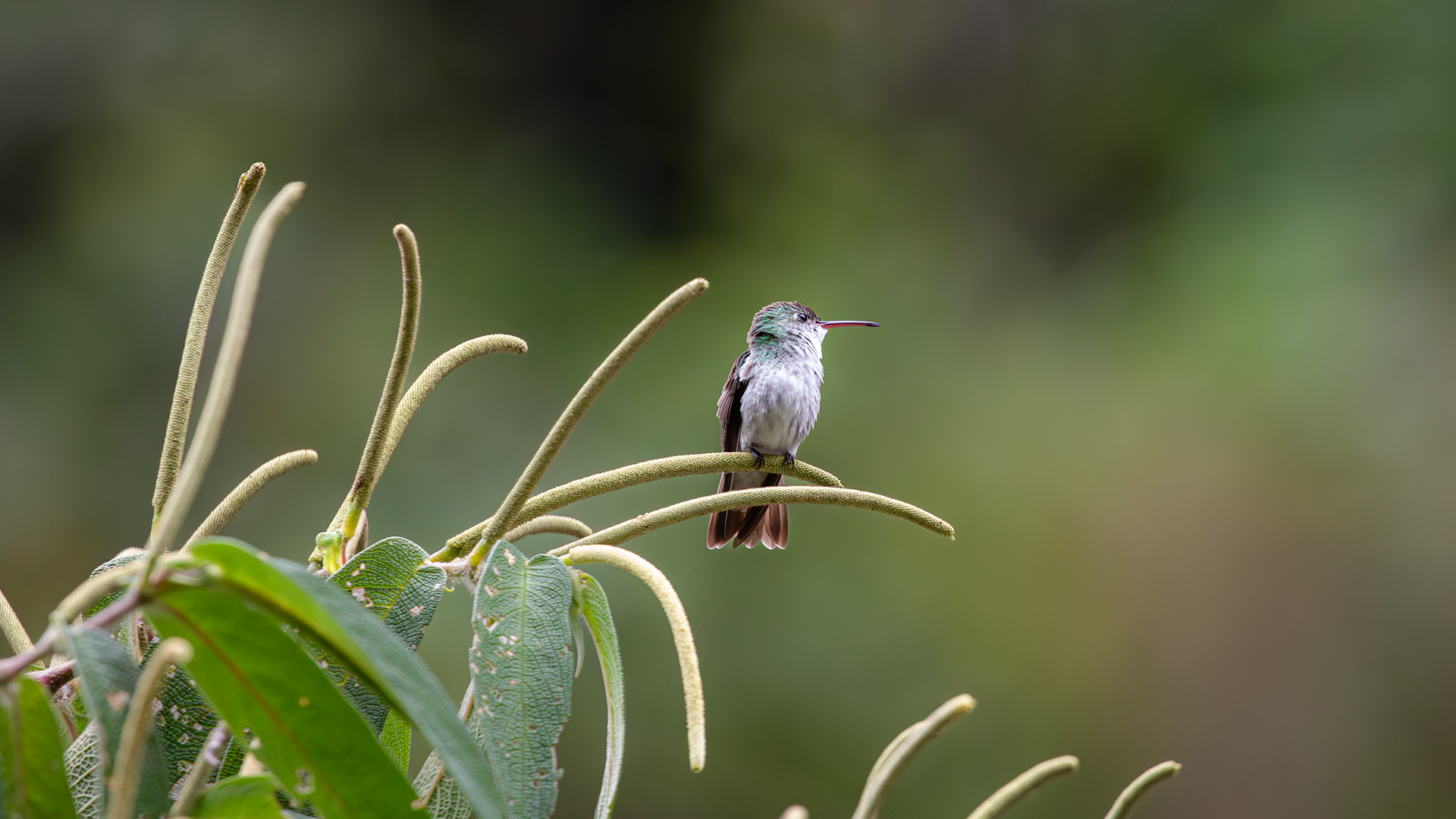
Small and rather plain hummingbird of tropical lowland forest and edge. Feeds low to high, often at edges and out in clearings. Both sexes look ‘female-plumaged,’ with green upperparts, white underparts; reddish color on base of bill can be difficult to see. Tail drab greenish with faint dusky band near tip. Lacks bold white tail corners of other small hummingbirds, such as female Ruby-throated.
Peru . Machu Picchu . 2025
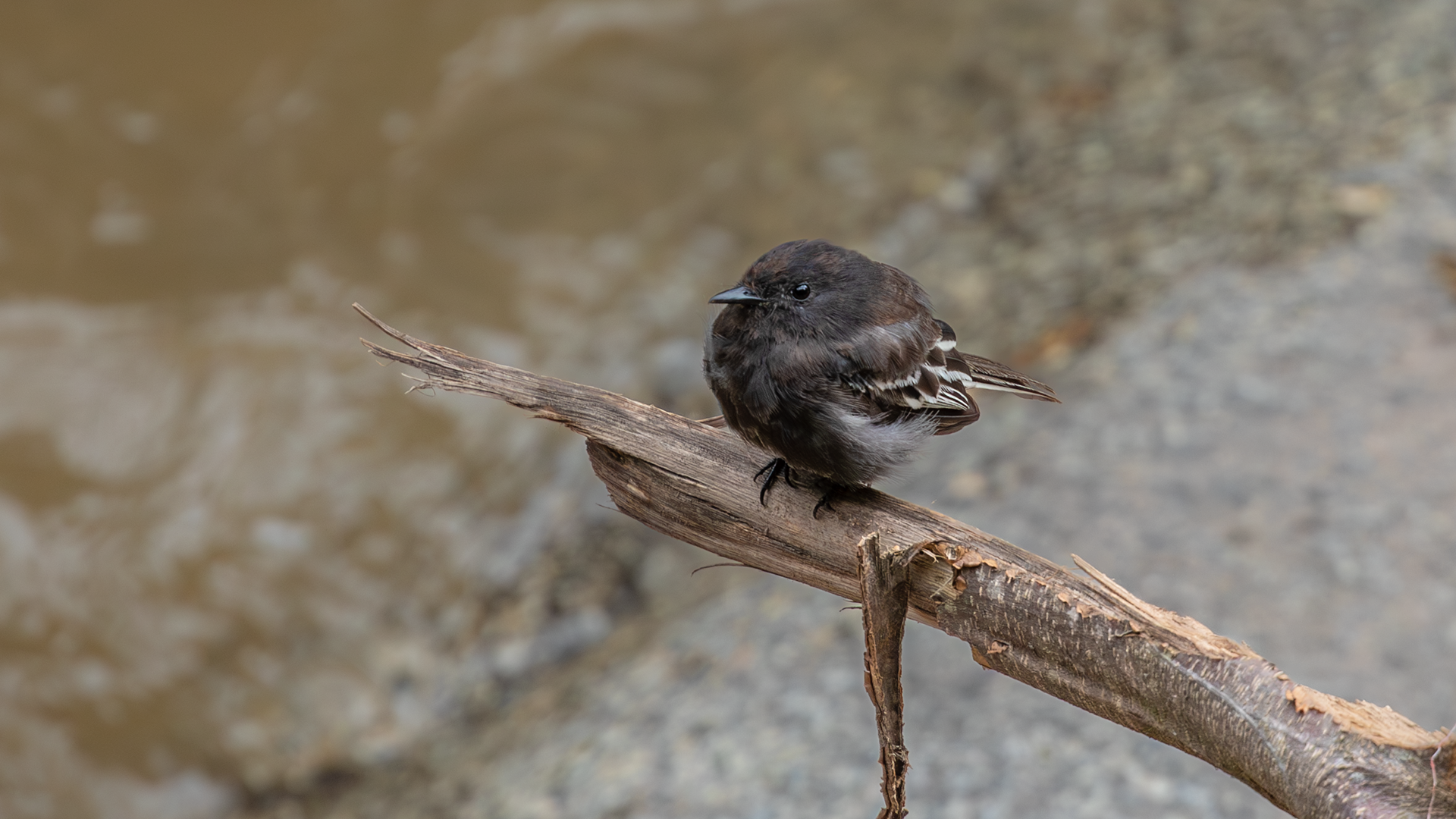
A medium-sized, sooty-black flycatcher. Marked geographic variation: most North American birds have dull wings and a clean white belly, while South American birds have bright white edging on wing feathers and much more limited white on the belly. Typically seen singly or in pairs, usually sitting conspicuously on a low perch. Frequently pumps tail up and down. Often near water; especially tied to fast-flowing, rocky streams in South America.
Peru . Machu Picchu . 2025
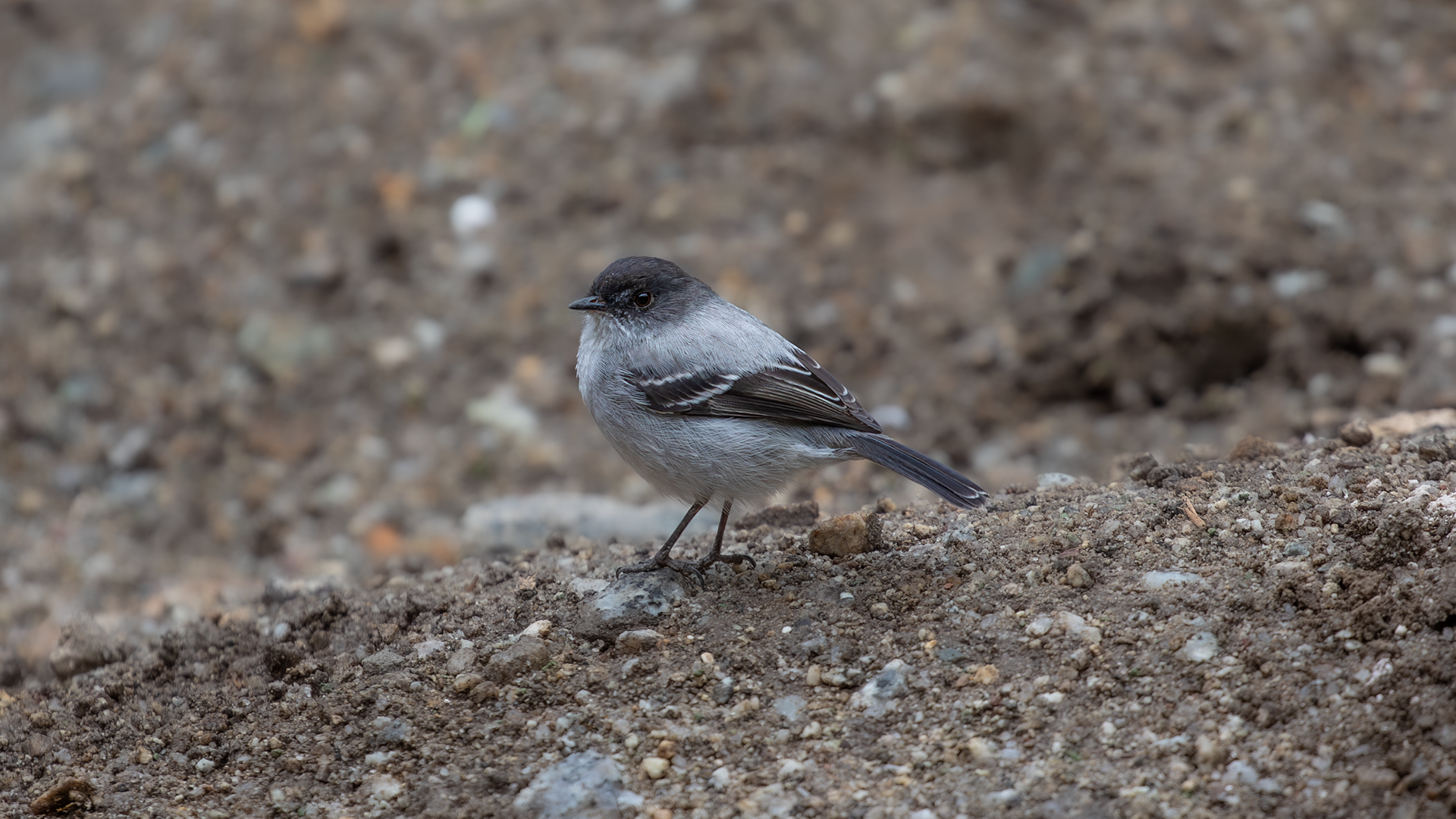
Unique small gray flycatcher found exclusively along fast-moving rivers and streams. Often perches on rocks in the middle of a waterway, but also along the edge. Plumage is also unlike any other flycatcher; pale gray overall with diffuse black cap and black wings and tail. Sexes similar. Pumps tail.
Peru . Machu Picchu . 2025
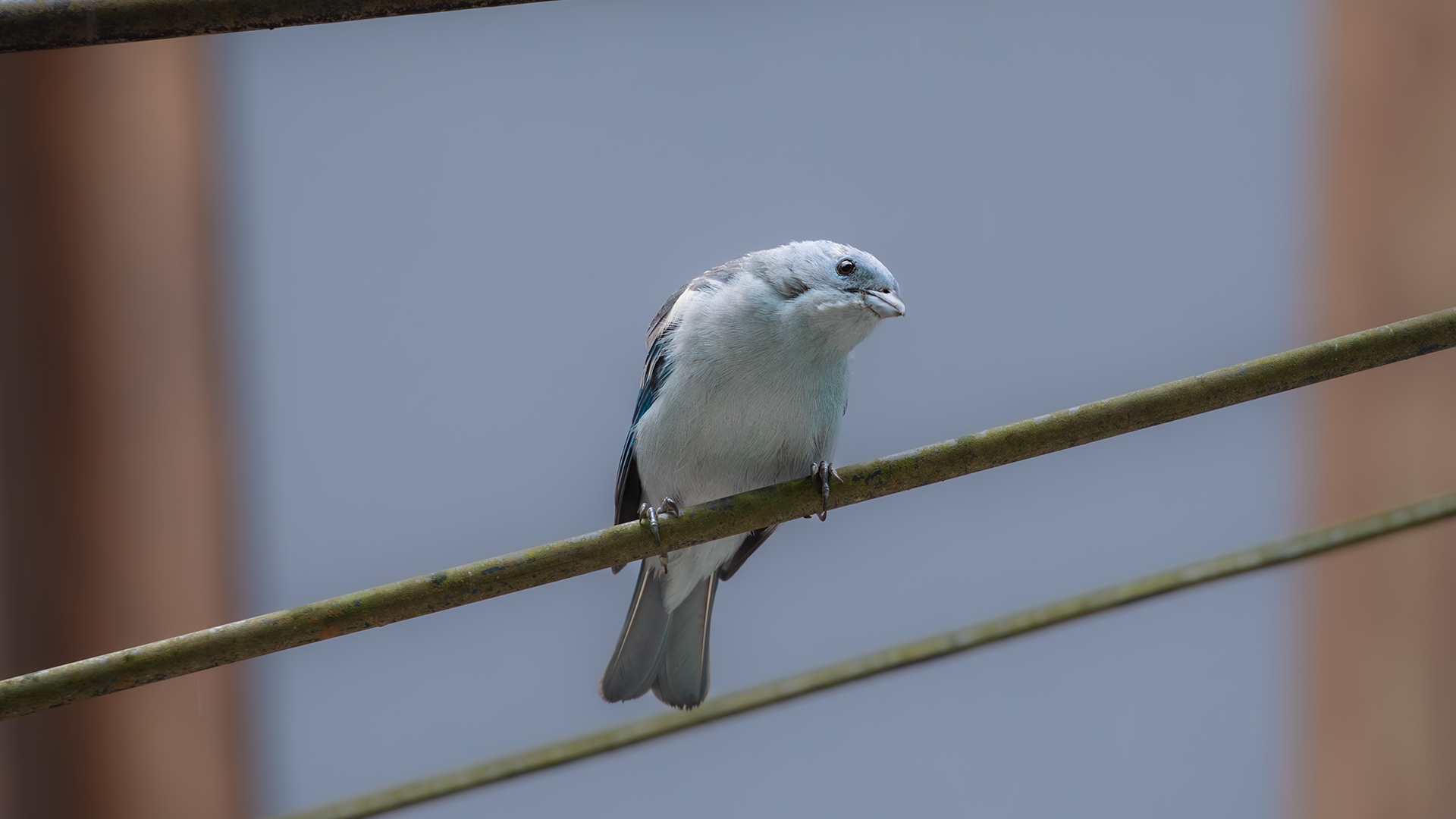
Common and widespread powder blue-gray bird of open and semi-open areas with larger trees and hedges, towns, villages, and gardens in tropical and subtropical regions. Mainly feeds at mid-upper levels in trees, eating fruit, and perches readily on phone wires. Rather plain but distinctive appearance, with beady dark eye and fairly stout bill. Populations east of the Andes in South America have broad white wing-bars and look very different.
Peru . Machu Picchu . 2025
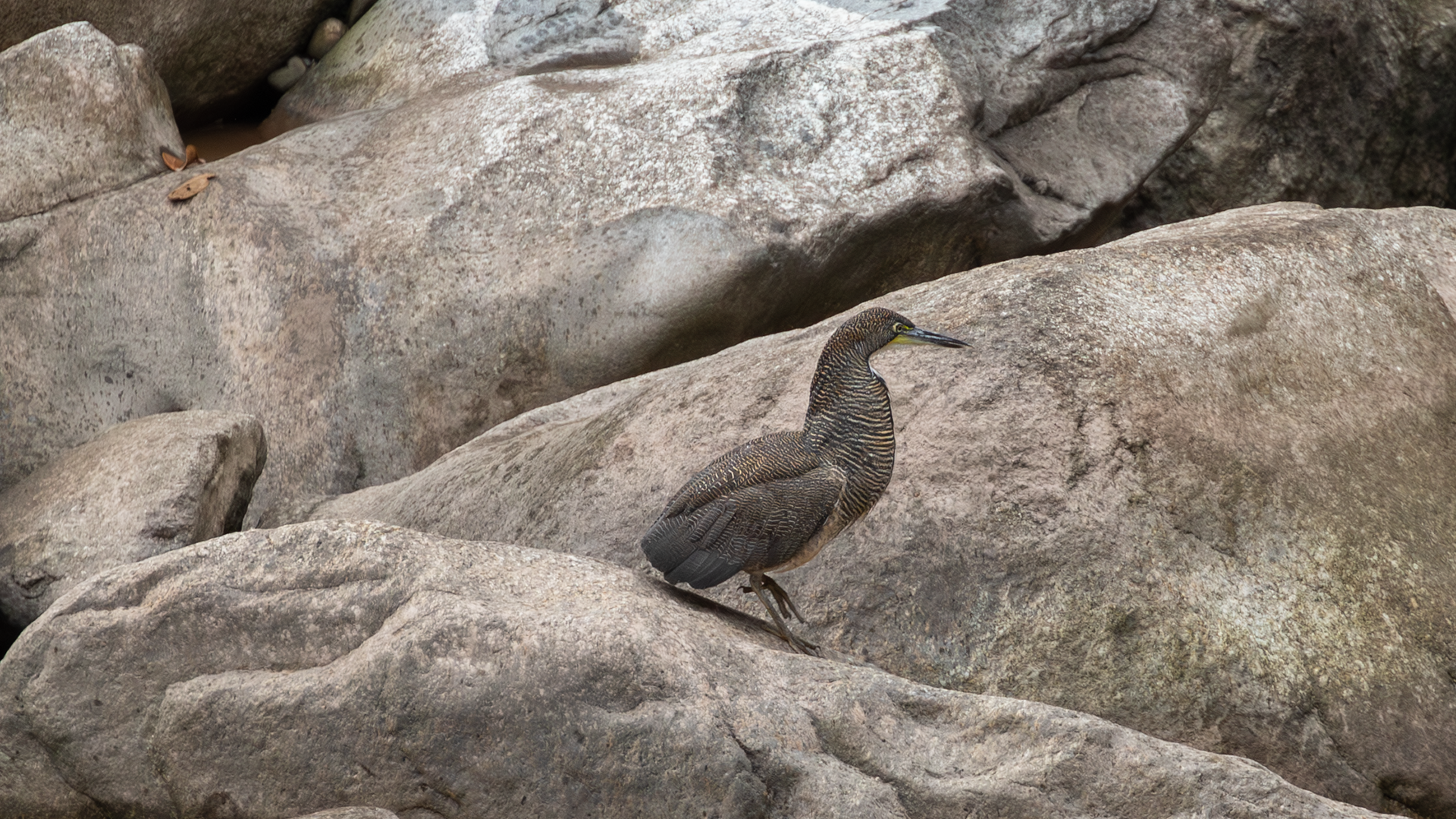
This medium-sized heron is often seen along fast-flowing rocky rivers and streams, usually at higher elevations than other tiger-herons. Almost always seen singly, standing on a rock in the middle or on the edge of a river. Adults are gray with fine black barring down the entire head, neck, and wings. Juveniles are buffy with uneven black barring. Juveniles essentially identical to juvenile Rufescent Tiger-Heron, but note different habitat.
Peru . Machu Picchu . 2025
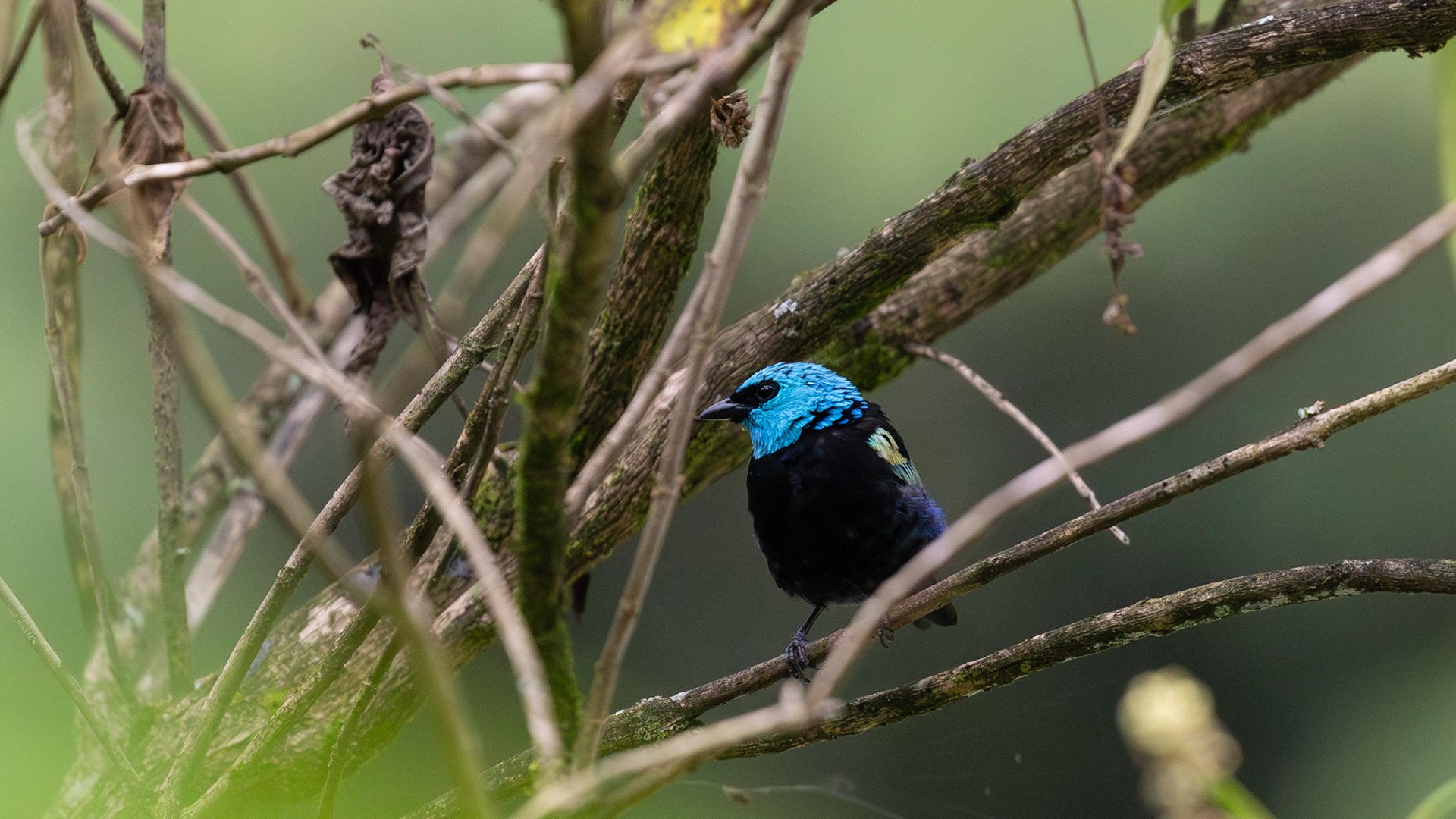
Small and striking tanager, looks mostly black with shining blue head and straw-colored shoulder. Sexes alike. Most similar to Masked Tanager, but has dark (not white) belly and shoulder is buffier. Quite common in Andean foothills, with a disjunct population in Brazilian lowlands. Usually found in pairs or small groups, often following a mixed-species flock through the canopy. Occurs in forests, edges, and gardens. Visits fruit feeders.
Peru . Machu Picchu . 2025
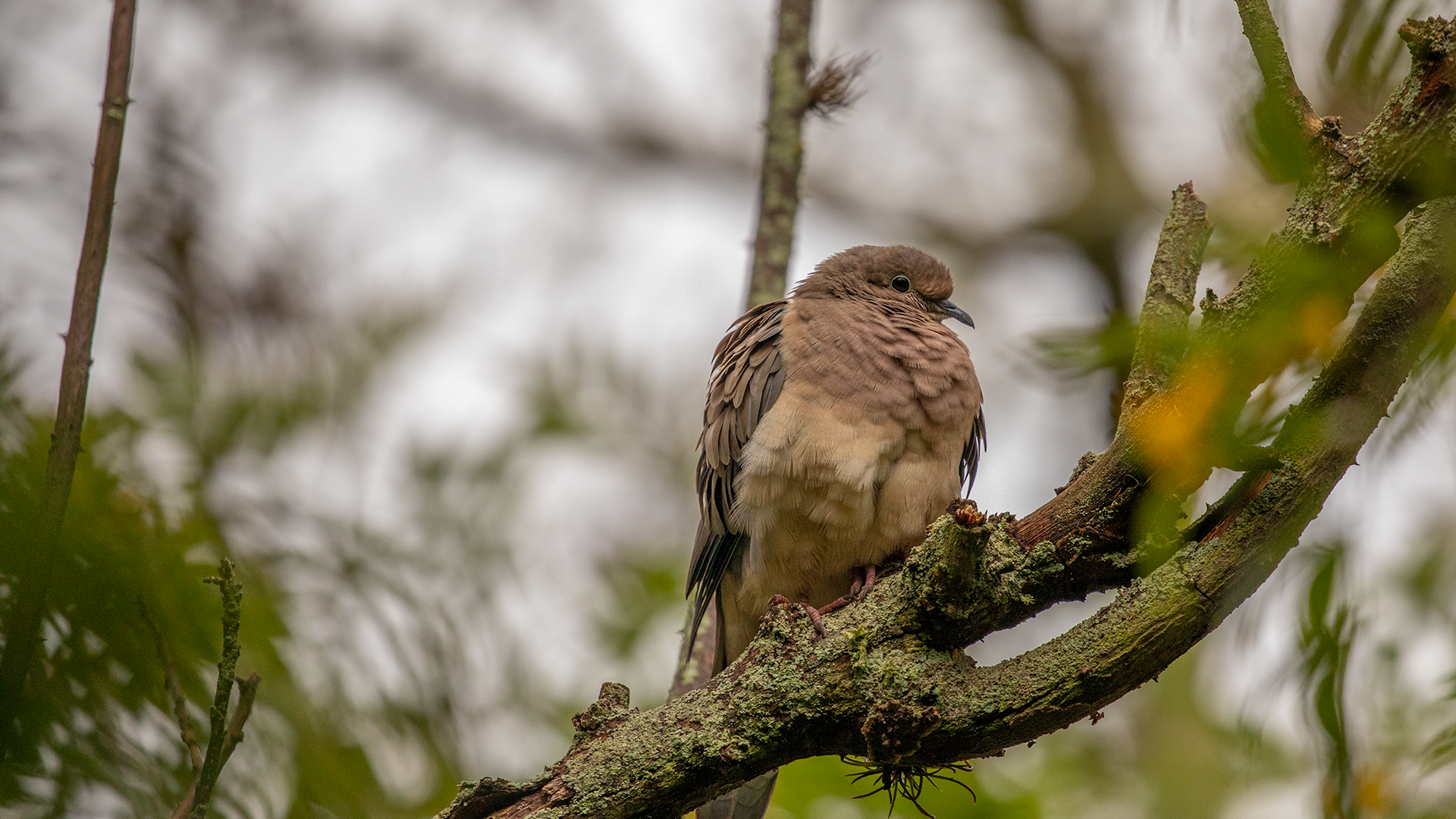
South America’s most widespread and abundant dove, found from sea level up to 4,000 m. Appearance much like Mourning Dove of North America: pale grayish-brown overall with iridescent patch on neck, black spots on wing and neck, and reddish legs. Larger than ground-doves; more slender than Leptotila doves and with black wing spots. Found in open and disturbed habitats including agricultural fields, towns and cities, and shrubby areas. Often gathers in flocks.
Peru . Sacred Valley . 2025
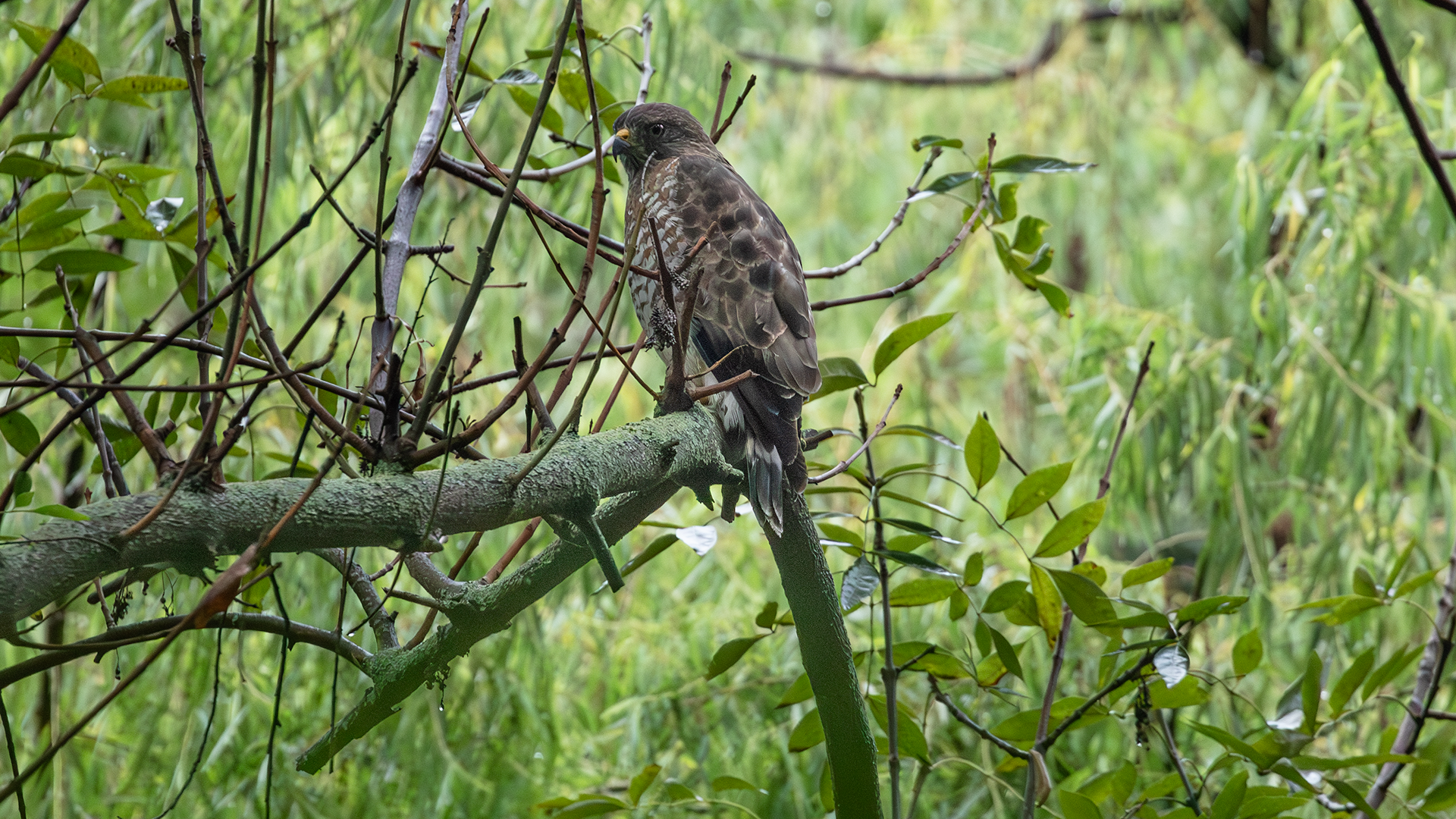
Rather small, compact hawk; about the size of Red-shouldered Hawk, smaller than Red-tailed Hawk. Adults are solid brown above, barred reddish-brown below with bold black-and-white tail bands. Immatures similar, but with blotchier markings below and thin, diffuse tail bands. Distinctive shape in flight: note the short tail, straight leading edge of wing, and bulging secondaries in flight. Listen for high-pitched, piercing whistle coming from woodlands during breeding season. Known for forming massive flocks called kettles during migration, when it travels from the U.S. and Canada all the way to winter in Central and South America.
Peru . Sacred Valley . 2025
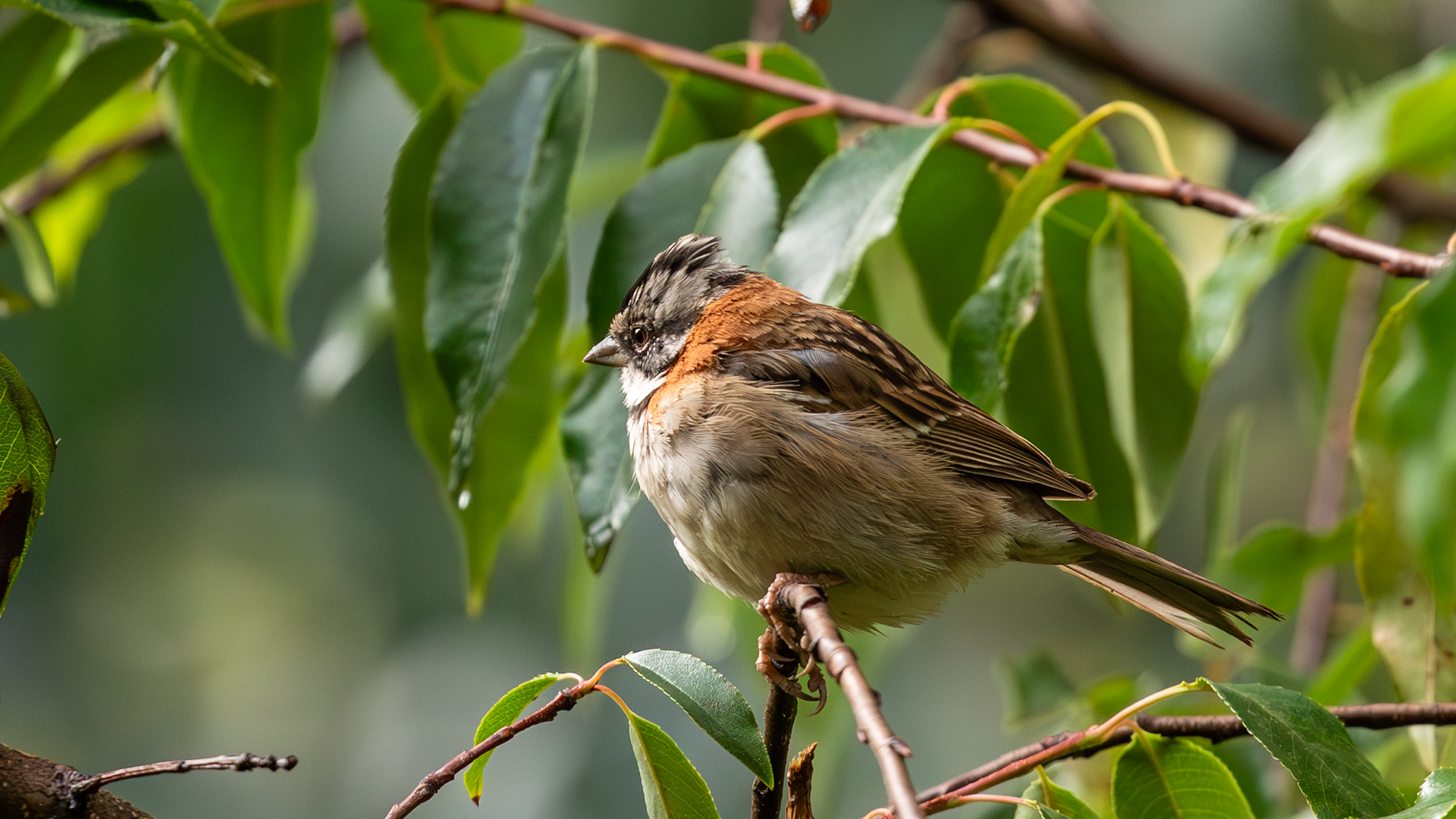
Handsomely patterned sparrow from highlands of Chiapas south to temperate South America. Occurs in open and semiopen habitats such as villages, towns, and farmland with hedges and brushy thickets. Feeds on the ground and in bushes, at times in flocks. Note the peaked crown, bold black-and-gray head pattern (though black much reduced in southern populations), bright rusty collar, and black chest patch. Juvenile has ghosting of adult pattern and breast is streaked dusky.
Peru . Sacred Valley . 2025
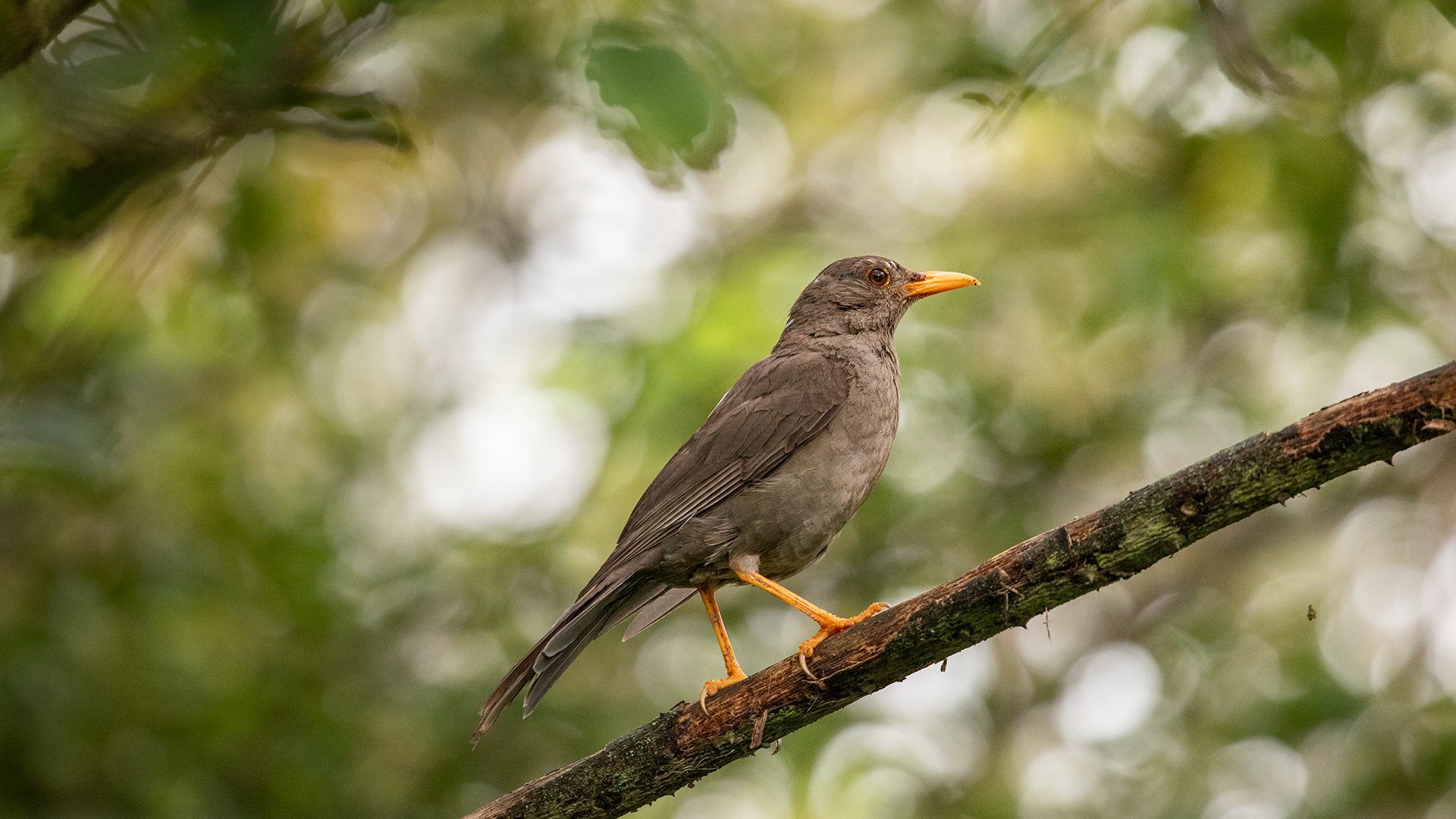
Fairly common in Andes and western desert foothills. Found in varied habitats from parks and gardens to farmland and other semiopen habitats with hedges and taller trees. Two distinct populations: in northern and western birds, sexes look alike, dark ashy gray overall with a yellow bill and amber eyes; in southern and eastern birds, male is dull blackish with a yellow bill and eyering and female is dark ashy gray overall with a yellow bill. No similar species in Chile, but in Bolivia and Peru compare with larger Great Thrush, which prefers more humid habitats.
Peru . Sacred Valley . 2025
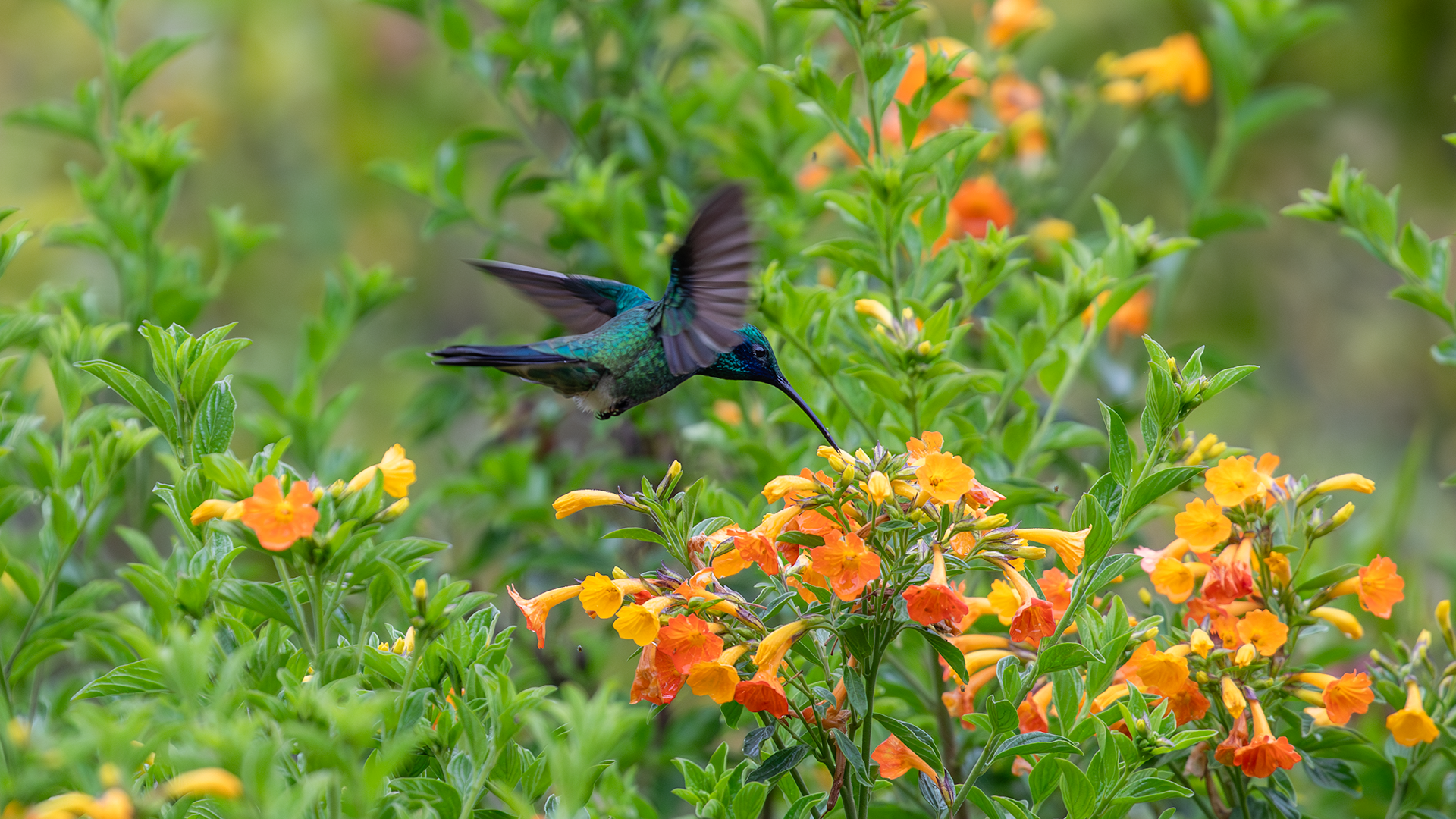
Large aggressive hummingbird that usually dominates feeders or flower patches. Sparkling green overall with purplish-blue patches on cheeks and belly. Sexes alike. Larger than Lesser Violetear, and that species lacks the purple belly. Common and widespread in the Andes. Uses open habitats, including forest edge, shrubby agricultural land, and towns and cities. Found from 400–4,500 m; most common from the subtropical zone up to high elevation scrub and dry valleys, but also wanders low into foothills. Listen for the incessant song, a never-ending series of metallic chip notes.
Peru . Sacred Valley . 2025
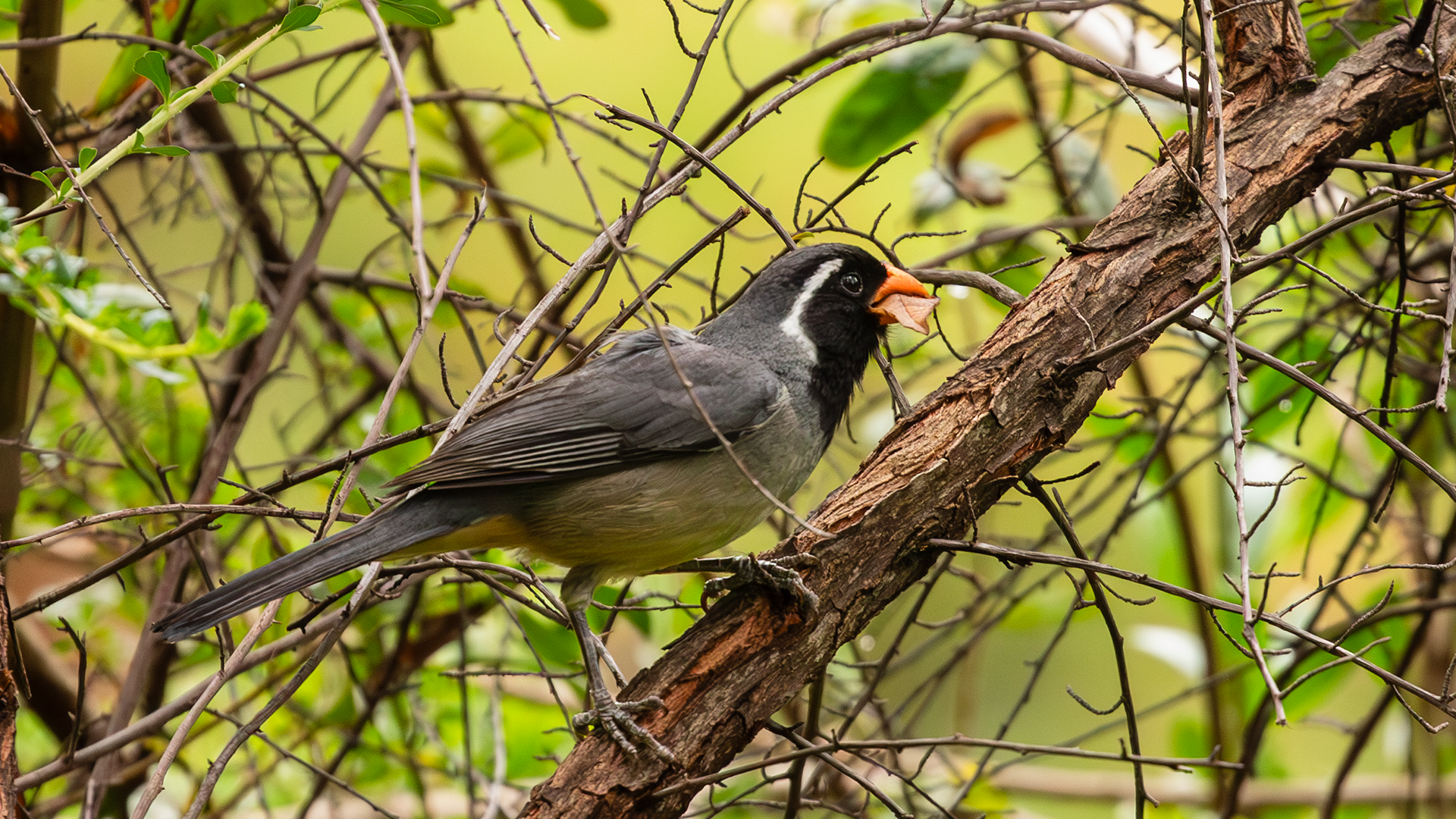
Scarce and local in the Andean foothills of extreme northern Chile, but widespread in much of southern South America. Favors brushy hedgerows and scrubby thickets, usually in villages and around agricultural terraces. Sexes look similar and bold face pattern is distinctive, in combination with big orange bill. Juvenile has a dusky bill and duller face pattern, but soon attains adult appearance. Loud bright song can draw attention, but often sings from a concealed perch.
Peru . Sacred Valley . 2025
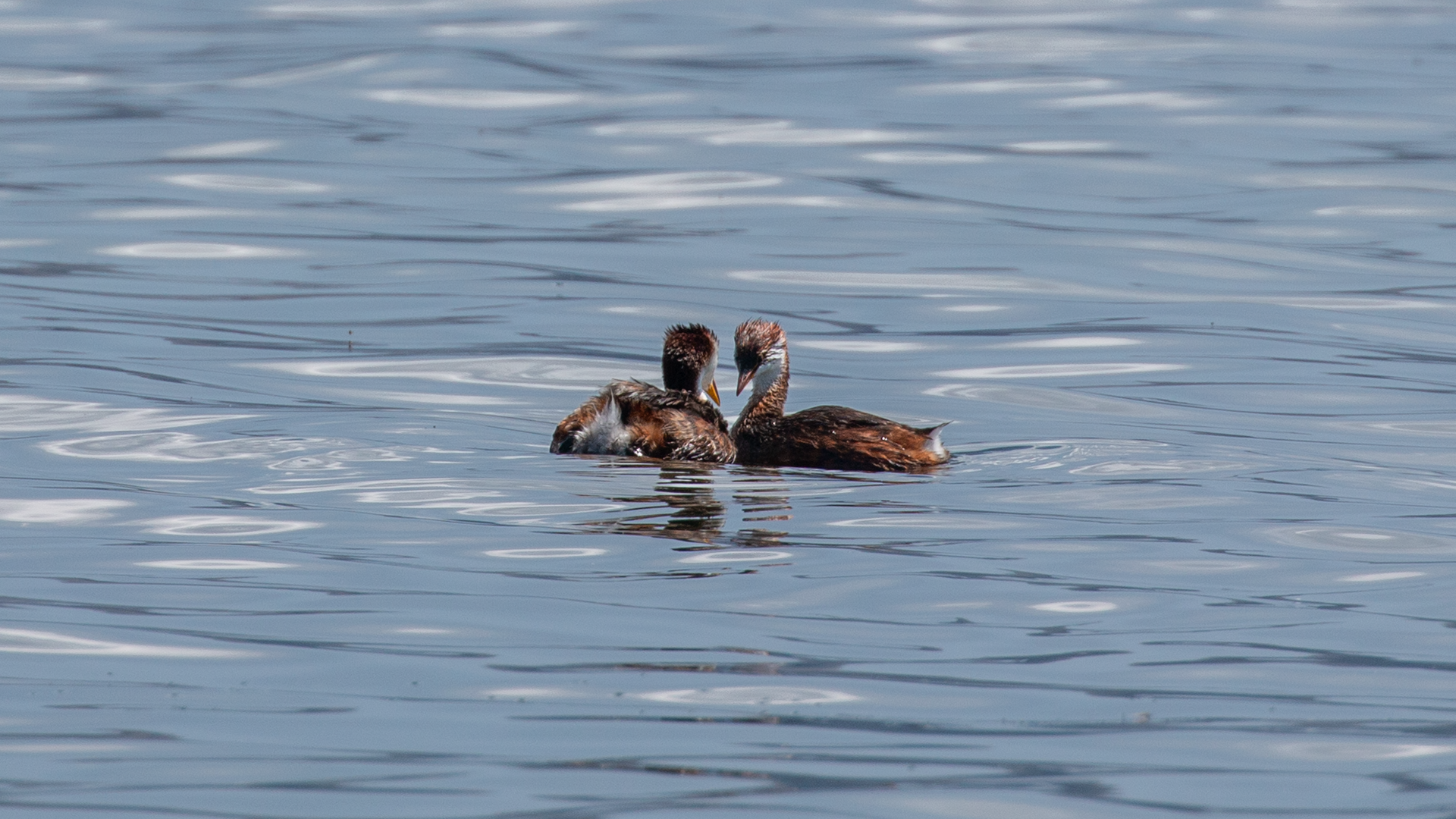
Endangered grebe found mainly in and around Lake Titicaca in southern Peru and western Bolivia; rare on other large lakes in the high Andes of Bolivia. Rather bulky compared to other Andean grebes, with a colorful yellow-and-red bill and a yellow eye-ring. Breeding birds have white throat, cheeks, and foreneck contrasting with cinnamon crown and hindneck. Nonbreeding birds are paler and more washed-out, with less cinnamon in the plumage. Inhabits lakes with reedbeds and floating vegetation.
Peru . Lake Titicaca . 2025
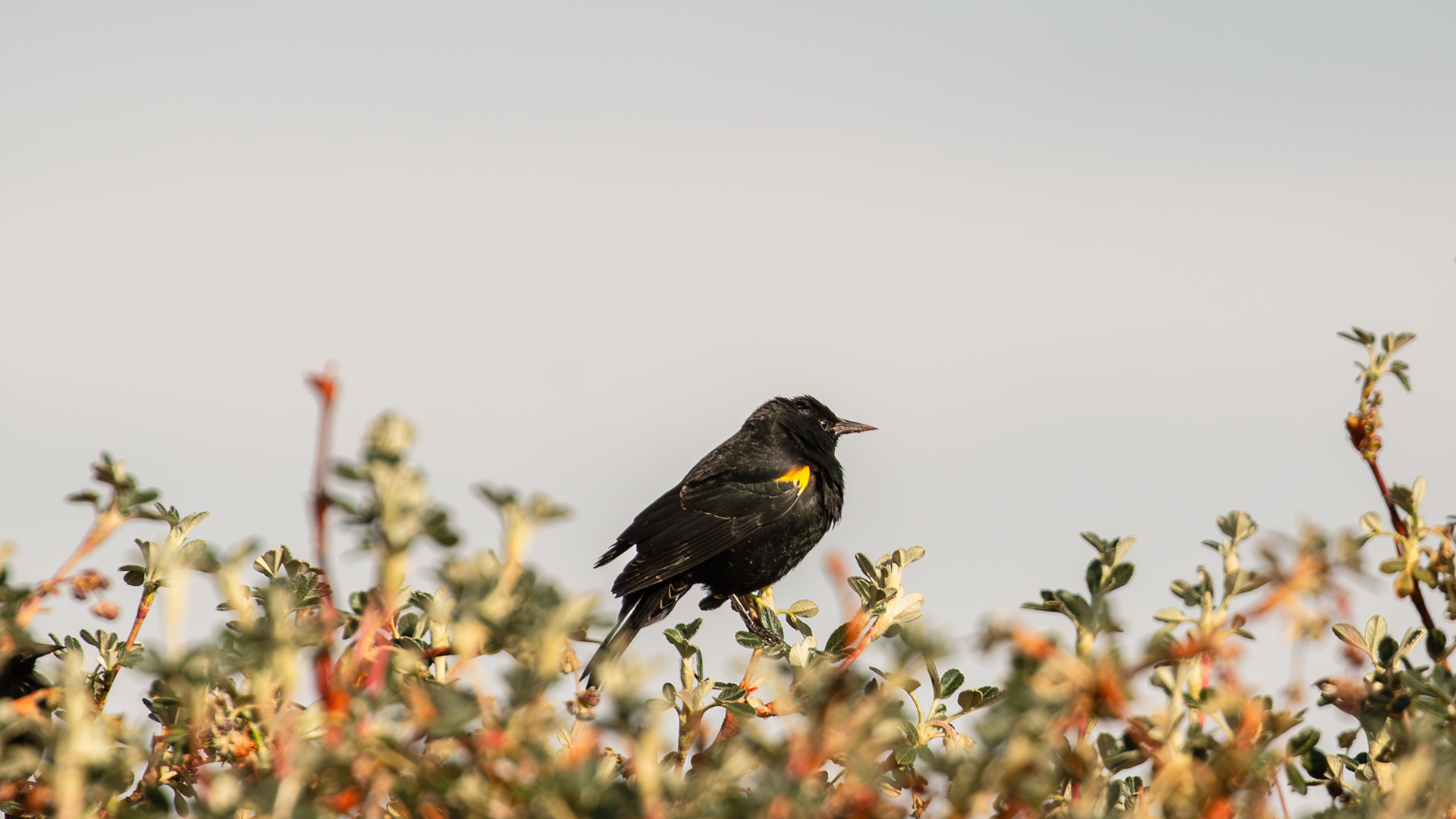
Rarely seen far from water, this handsome blackbird is fairly common, but is sometimes local in wetlands, around lakes, and in nearby fields; usually in small flocks and breeds colonially in reed beds. Feeds mainly on or near the ground, but often perches in reeds. Diagnostic yellow shoulder of male can be concealed at rest, but is obvious in flight. Streaky female rather unremarkable, but often in the company of males: note the bold pale eyebrow and streaked underparts.
Peru . Lake Titicaca . 2025
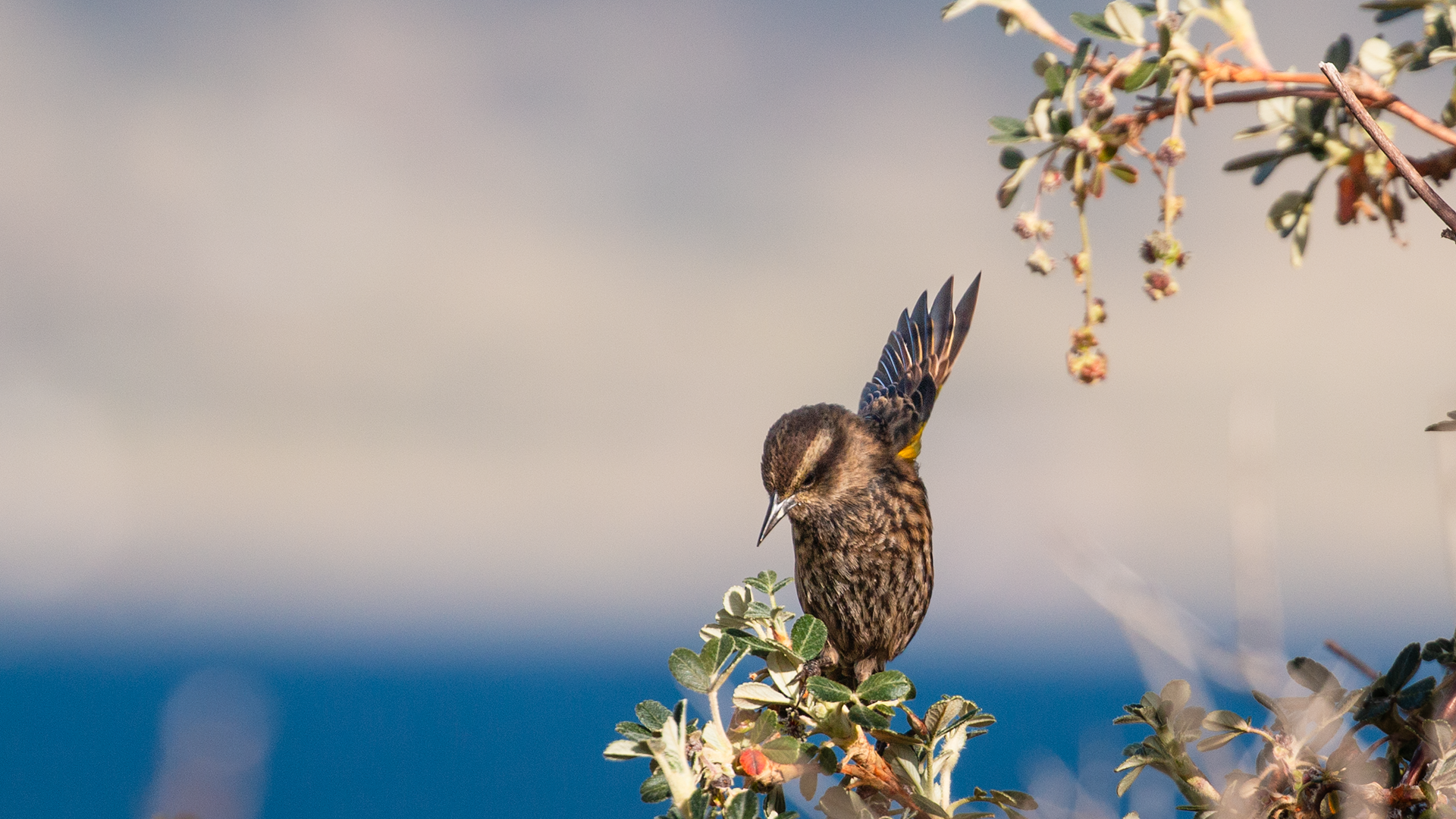
Rarely seen far from water, this handsome blackbird is fairly common, but is sometimes local in wetlands, around lakes, and in nearby fields; usually in small flocks and breeds colonially in reed beds. Feeds mainly on or near the ground, but often perches in reeds. Diagnostic yellow shoulder of male can be concealed at rest, but is obvious in flight. Streaky female rather unremarkable, but often in the company of males: note the bold pale eyebrow and streaked underparts.
Peru . Lake Titicaca . 2025
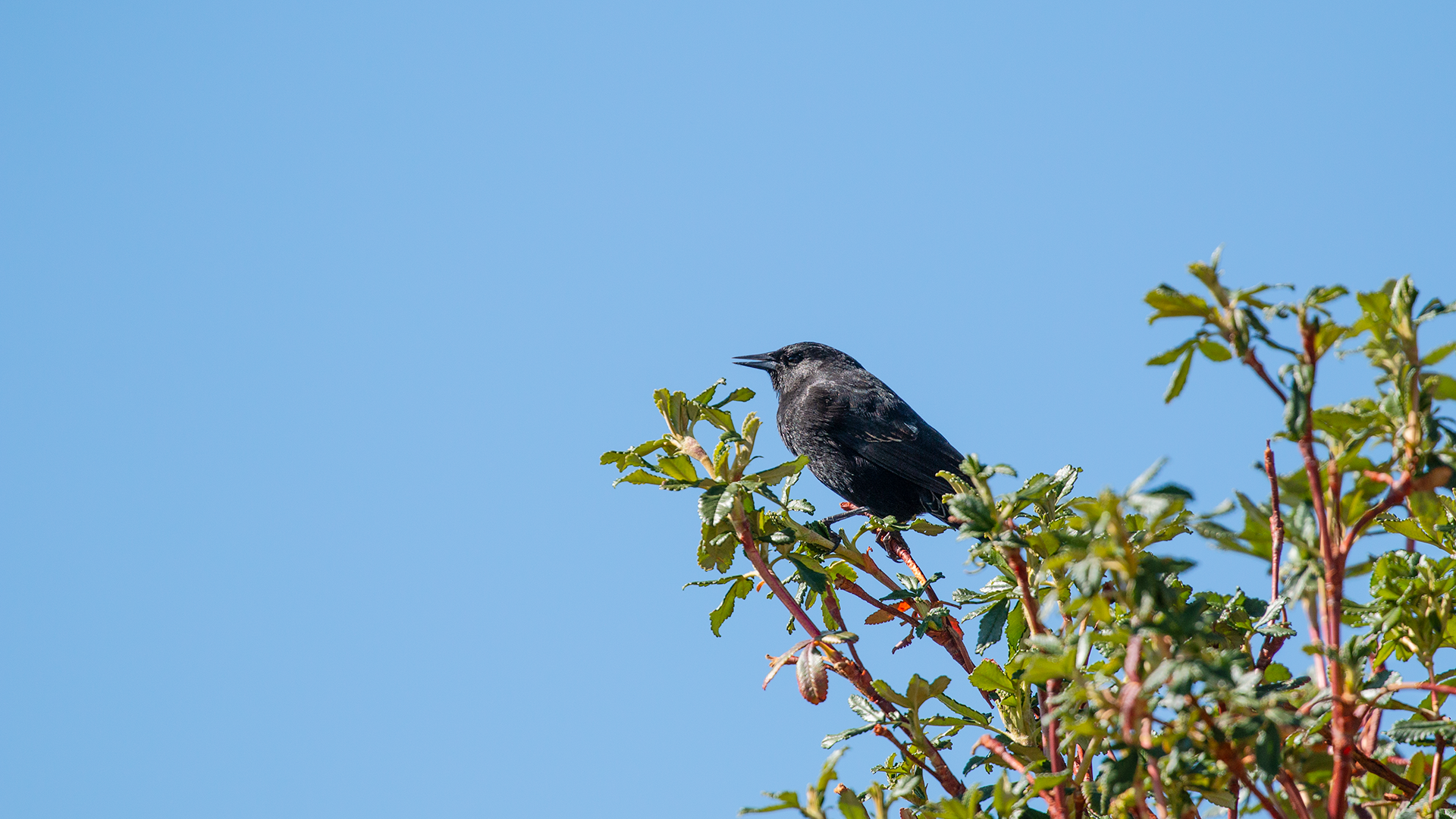
Rarely seen far from water, this handsome blackbird is fairly common, but is sometimes local in wetlands, around lakes, and in nearby fields; usually in small flocks and breeds colonially in reed beds. Feeds mainly on or near the ground, but often perches in reeds. Diagnostic yellow shoulder of male can be concealed at rest, but is obvious in flight. Streaky female rather unremarkable, but often in the company of males: note the bold pale eyebrow and streaked underparts.
Peru . Lake Titicaca . 2025
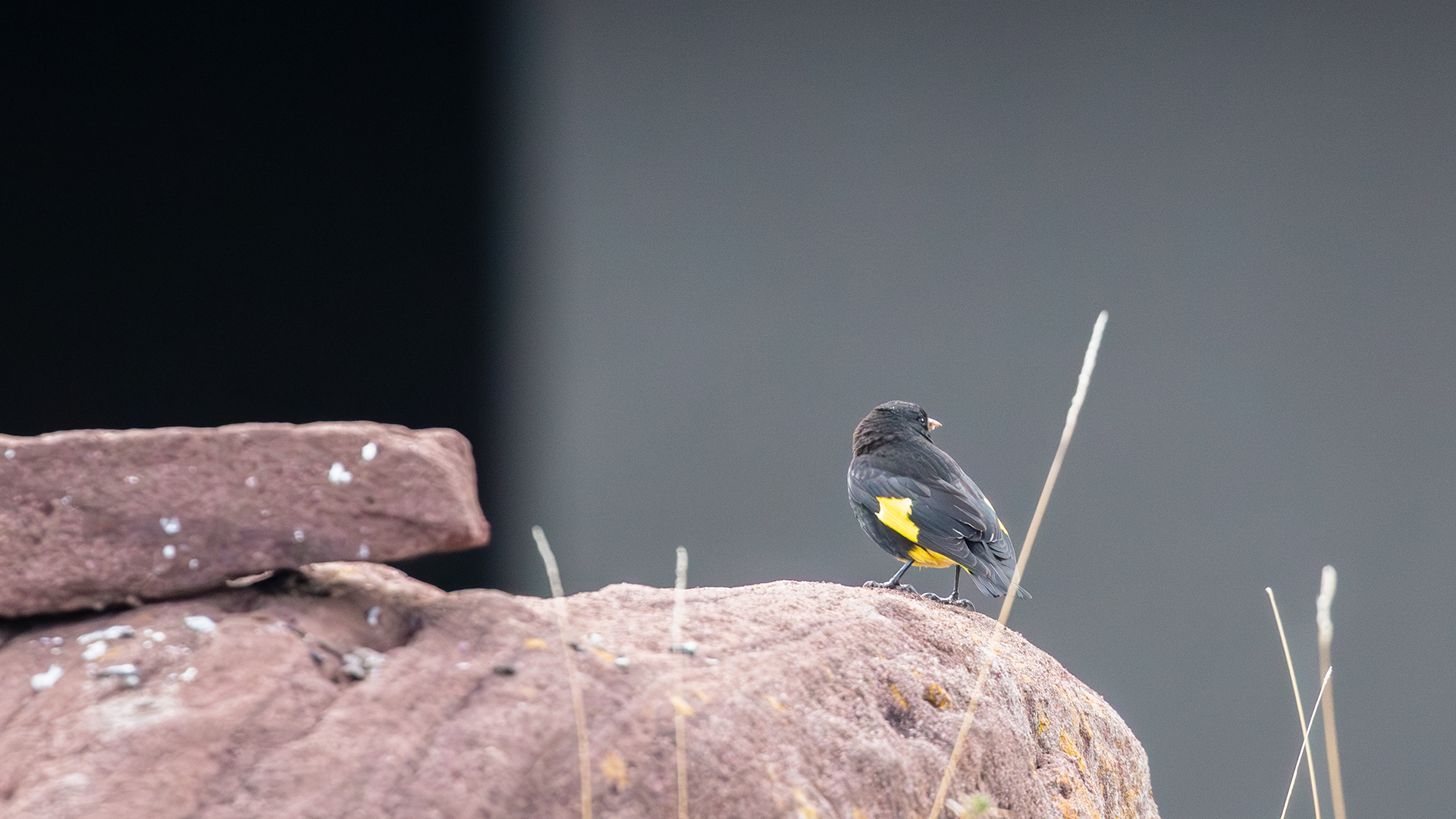
Stunning and distinctive small finch of the high Andes; favors puna grasslands with shrubs, rocky slopes, and bogs. Black head and body is diagnostic among siskins; yellow wing and tail patches mostly concealed on perched birds, but very flashy in flight. Sexes look similar, but juvenile has an orangish bill and buffy wingbars. Feeds in low bushes and on the ground, sometimes in association with other small seed-eating birds, but also in small groups of its own kind.
Peru . Lake Titicaca . 2025
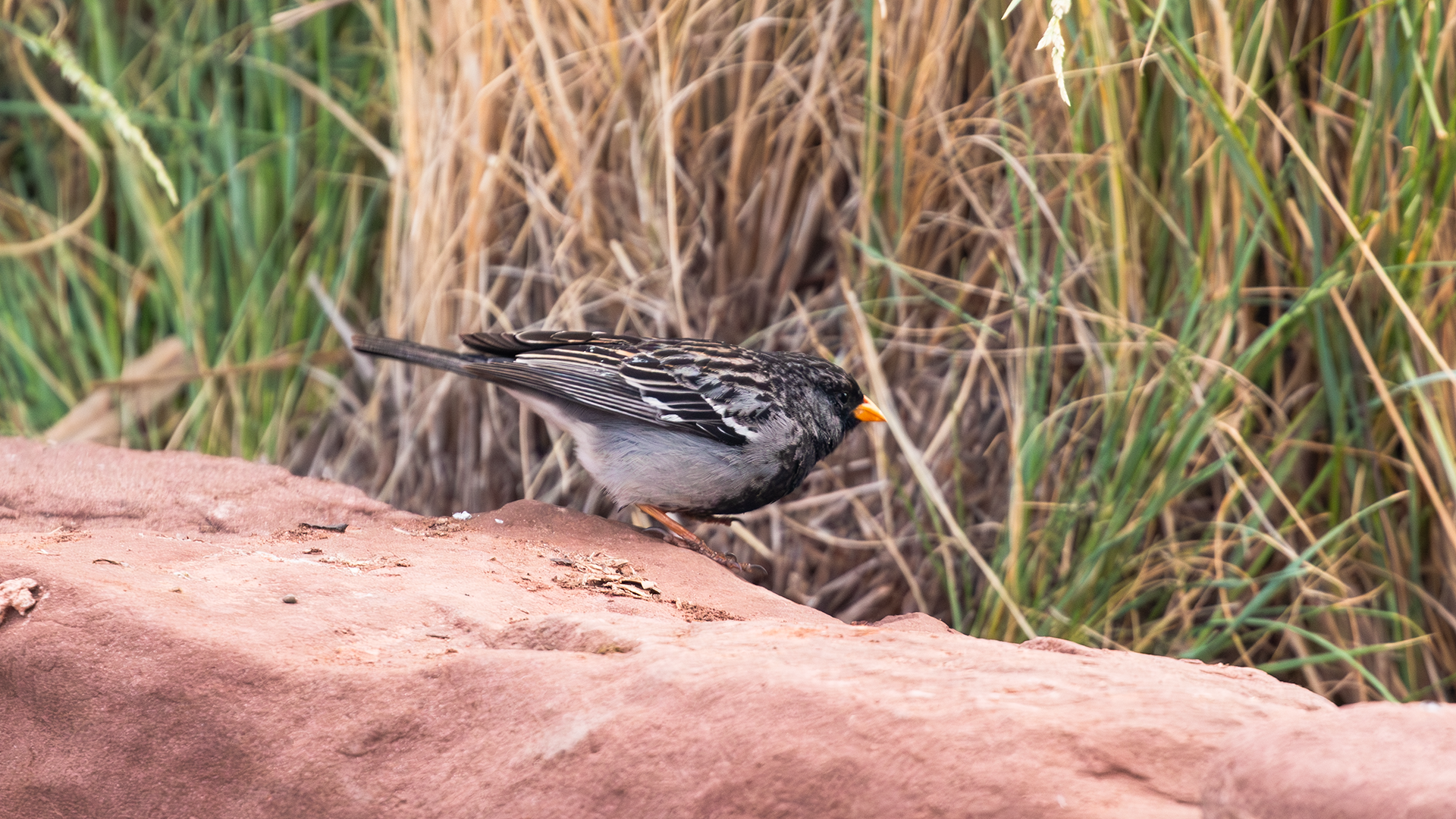
Attractive bulky “finch” that is actually a tanager; found in scrubby habitats in the Andes and Patagonian steppe, often around villages and agricultural terraces. Locally common, and at times in flocks of 100s, associating readily with other seed-eating birds. All plumages have narrow but distinct white wingbars, unlike other similar species. Male has a yellow bill, a variable black “shield” on face and breast (some birds are wholly black on head and breast), and black streaking on the back. Female is quite different, with a warm brown cheek patch, a pinkish bill, and dark streaking below.
Peru . Lake Titicaca . 2025
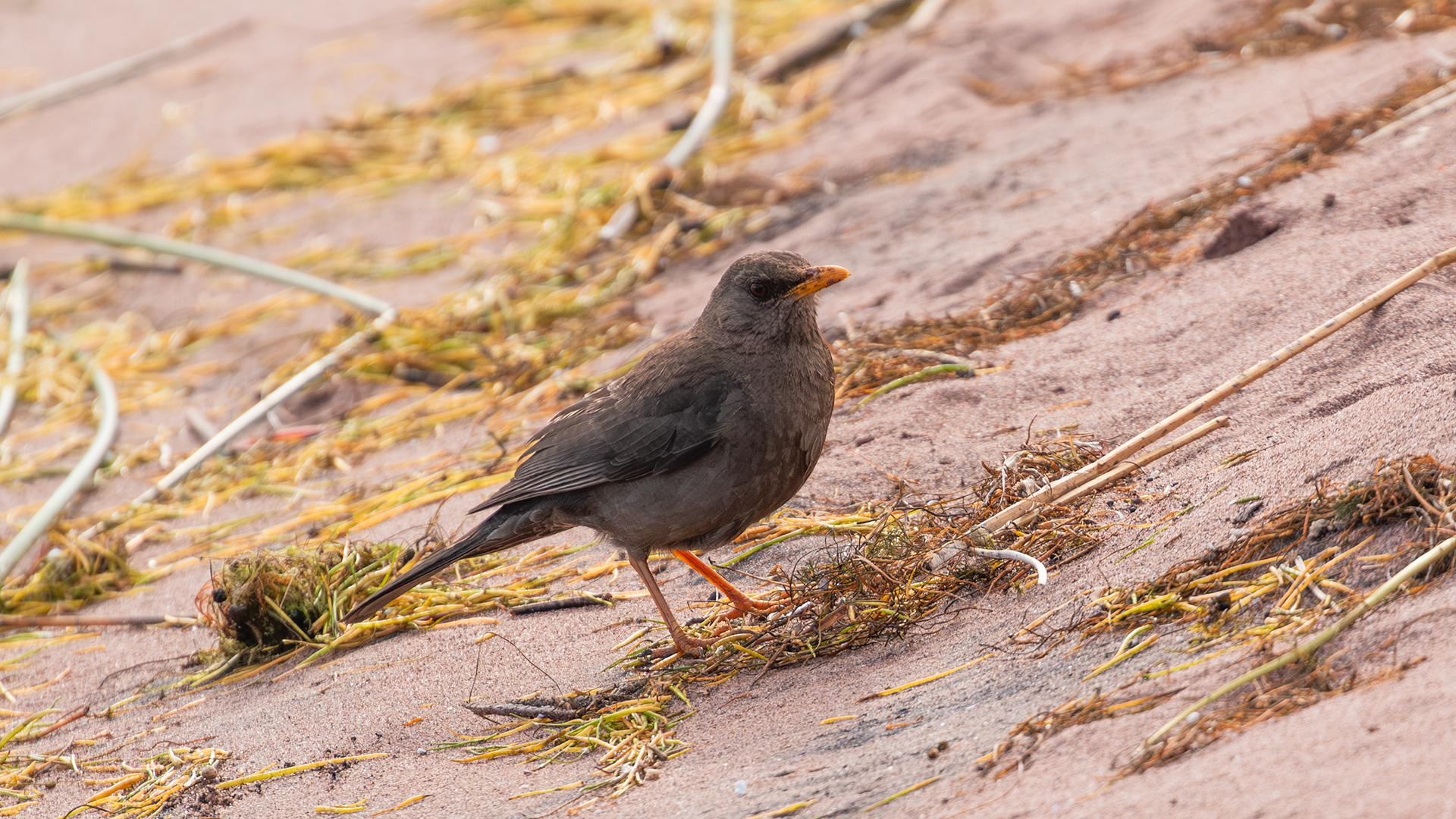
Fairly common in Andes and western desert foothills. Found in varied habitats from parks and gardens to farmland and other semiopen habitats with hedges and taller trees. Two distinct populations: in northern and western birds, sexes look alike, dark ashy gray overall with a yellow bill and amber eyes; in southern and eastern birds, male is dull blackish with a yellow bill and eyering and female is dark ashy gray overall with a yellow bill. No similar species in Chile, but in Bolivia and Peru compare with larger Great Thrush, which prefers more humid habitats.
Peru . Lake Titicaca . 2025
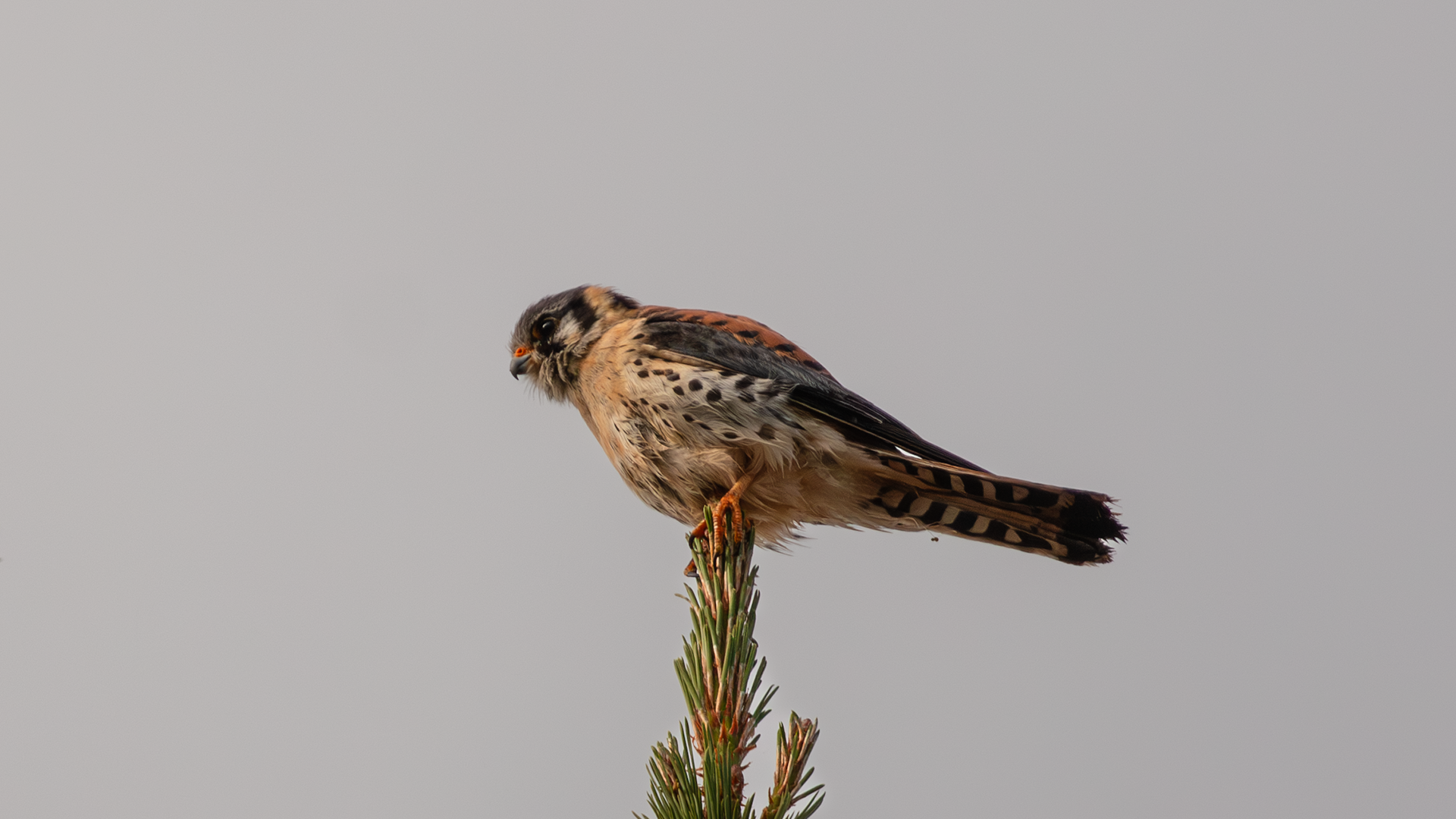
Petite falcon roughly the same size as Mourning Dove, but with a larger head and wider tail. In flight, note long, narrow wings and square-tipped tail. Often seen perched on telephone wires, along roadsides, in open country with short vegetation and few trees. From a perch or hovering, they usually drop to the ground to snatch small mammals and insects. Nests in cavities. Widespread across the Americas.
Peru . Lake Titicaca . 2025
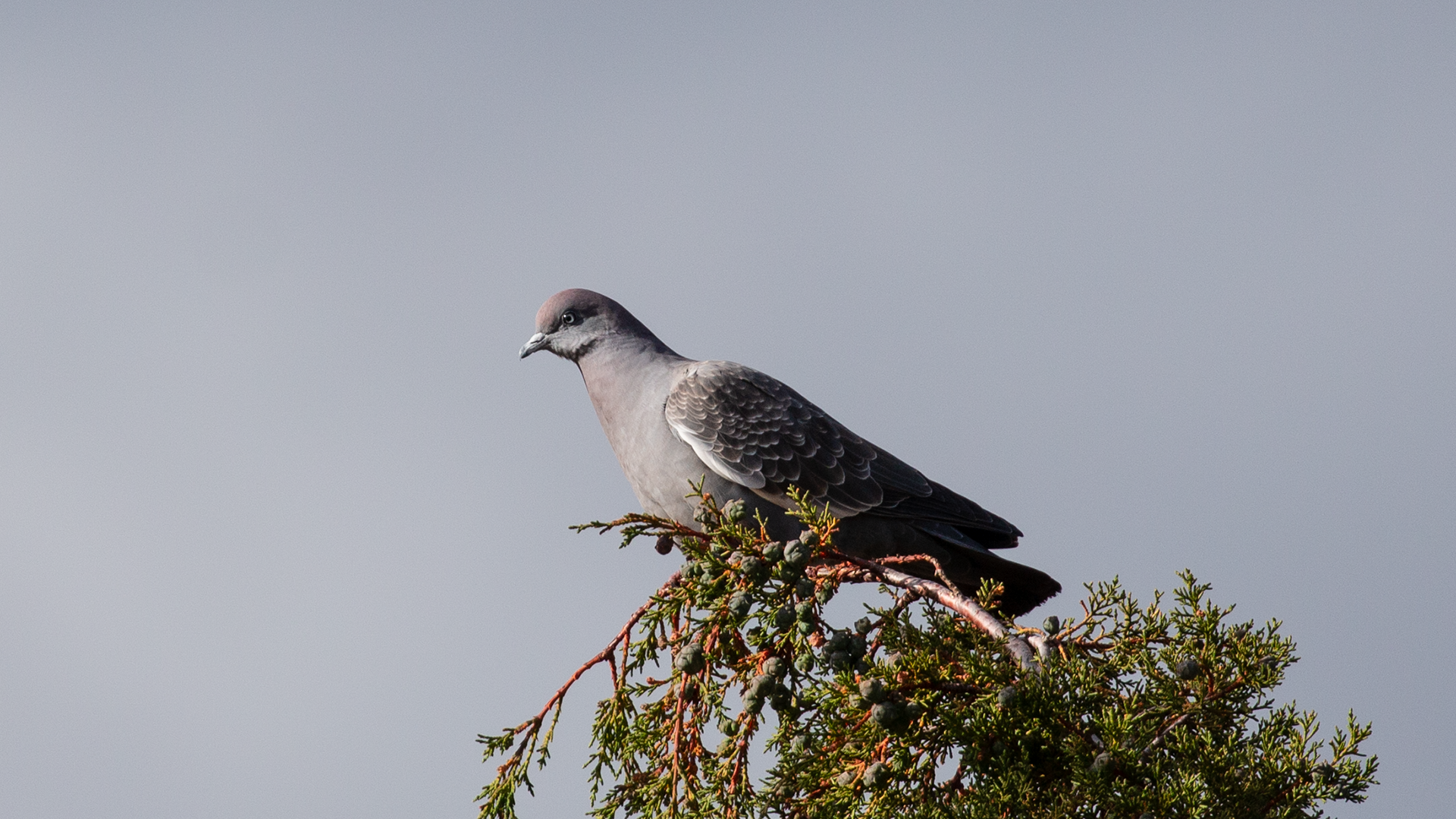
Fairly common to locally common; found in a wide variety of semiopen habitats from town parks to scrubby Andean slopes. Large grayish pigeon with a distinct pale dappling (“spotting”) on wing coverts and grayish eyes. Birds in the Andes have a distinct white band on the wing that is striking in flight. In eastern lowlands compare with Picazuro Pigeon, which has amber eyes, a pink breast, and a white wing band.
Peru . Lake Titicaca . 2025
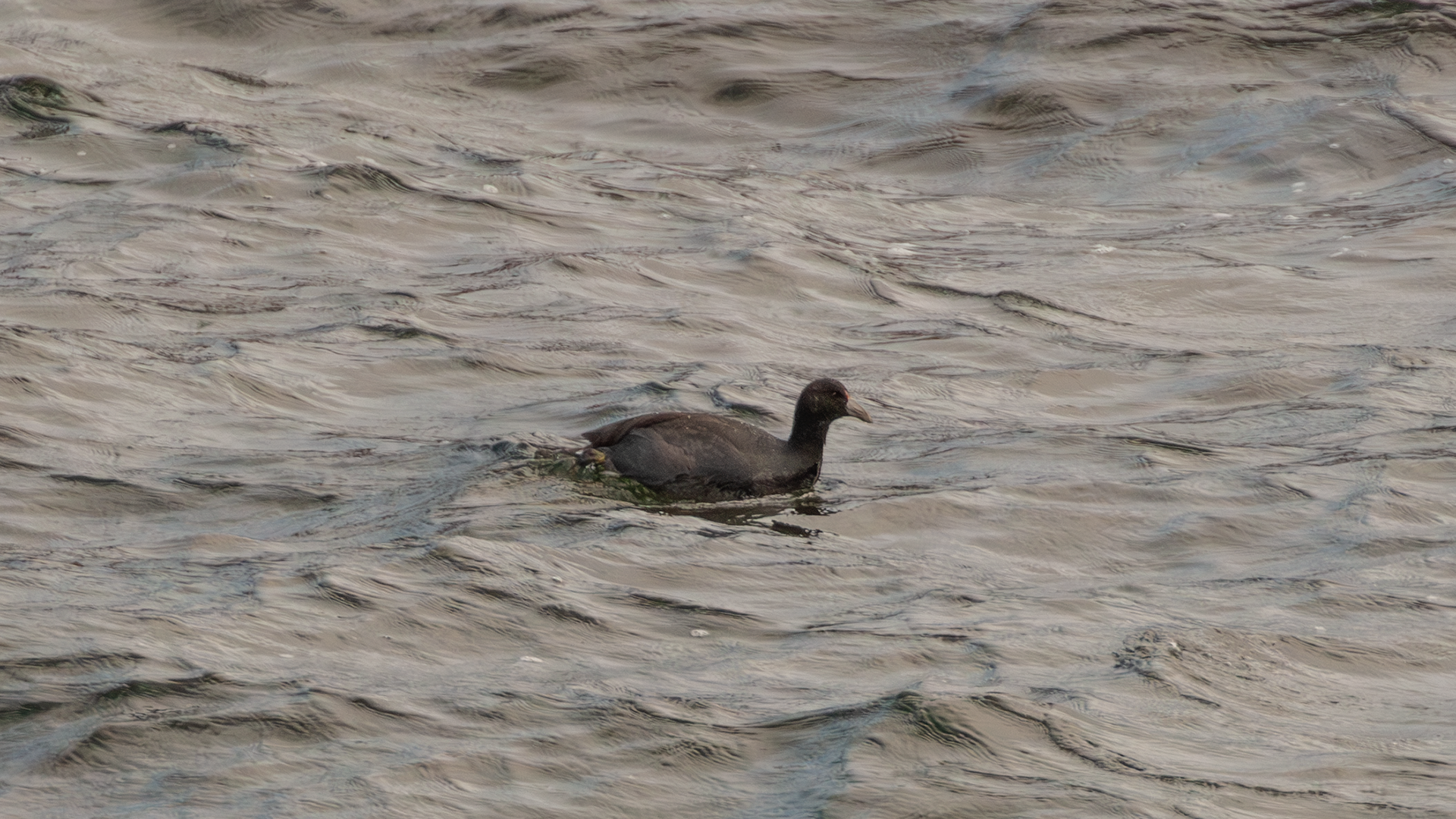
Widespread, rather large but “average” coot of lakes, marshes, and river mouths; mainly in Andes and adjacent Pacific coastal lowlands. Despite the name, its plumage is no more slate-colored than other coots. Adult comes in three types: most Andean birds have a dark red forehead shield and yellowish bill; elsewhere, rounded forehead shield can be white or pale yellow with a whitish bill. Legs greenish, appreciably shorter than legs of Giant Coot, which occurs alongside Slate-colored at some lakes. Juvenile has a variably grizzled whitish face and throat.
Peru . Lake Titicaca . 2025
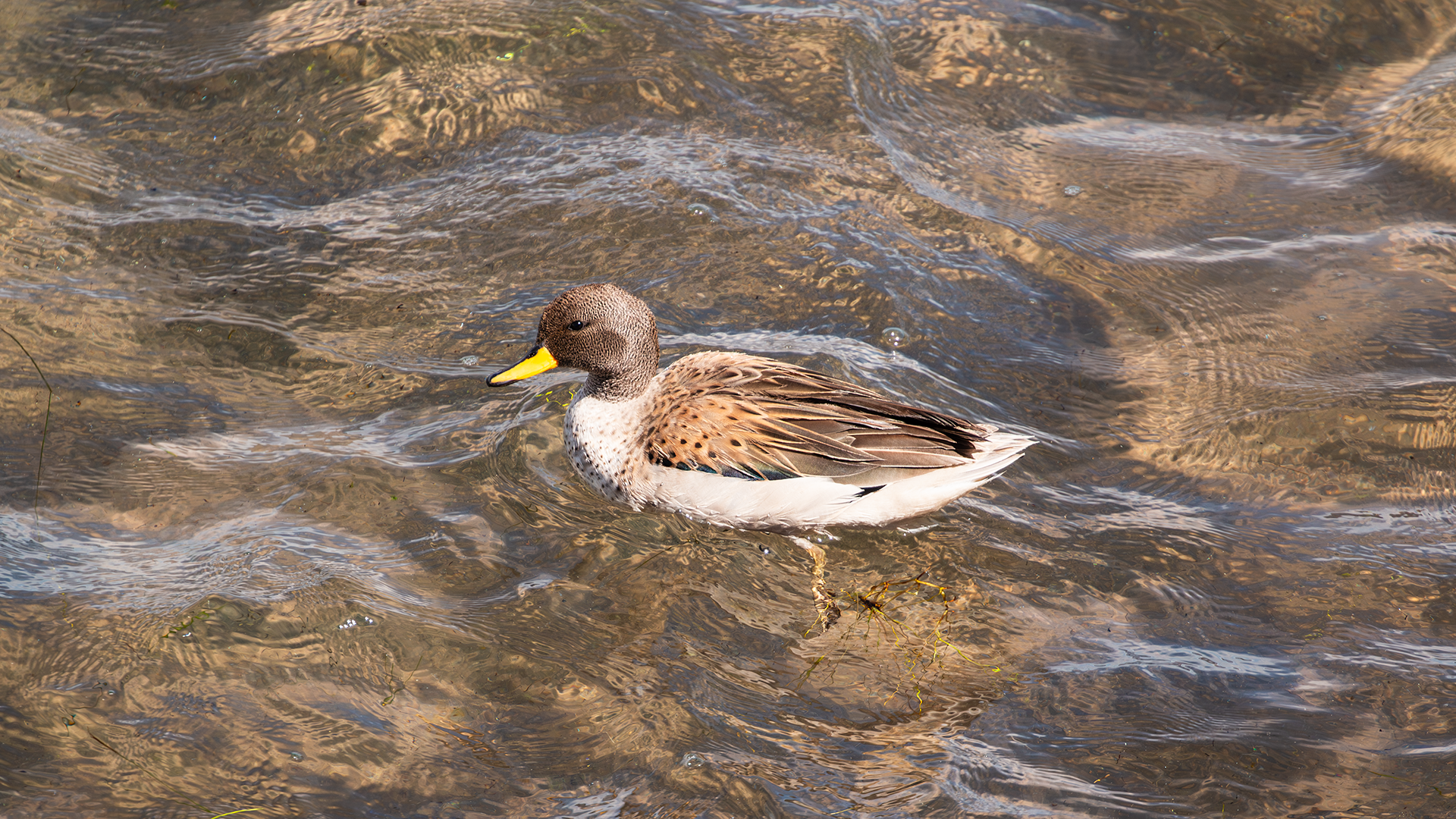
Widespread and often common small duck of wetlands, lakes, river mouths, Andean bogs, and streams. Rather small and compact with a dark head, a bright yellow bill (duller for a short while on young birds), and plain grayish sides. The similar Yellow-billed Pintail is larger and more elegant with a paler head and mottled sides. Teal populations in the high Andes (“Altiplano Teal”) have noticeably paler gray sides than southern lowlands birds (“Austral Teal”).
Peru . Lake Titicaca . 2025
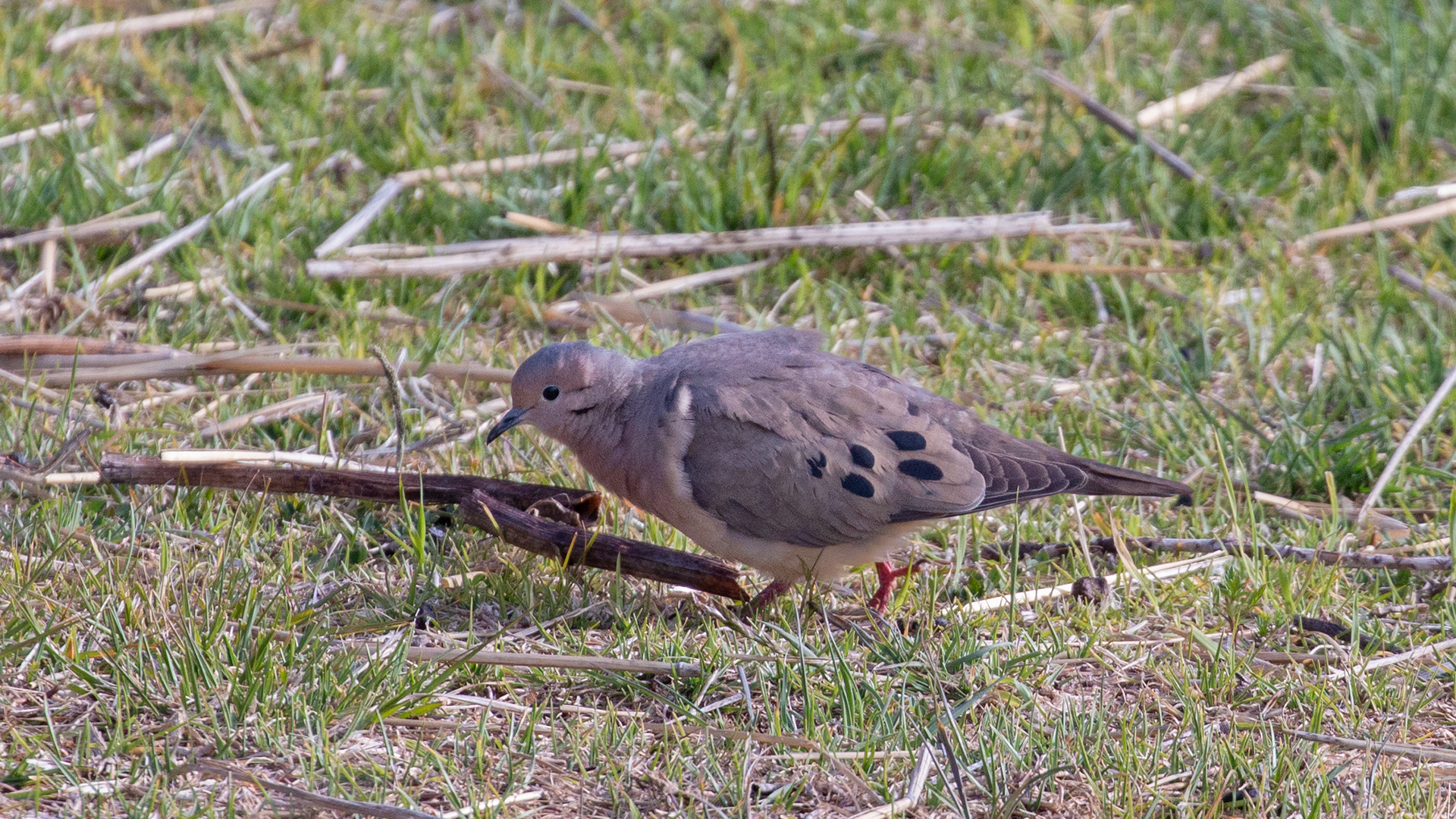
South America’s most widespread and abundant dove, found from sea level up to 4,000 m. Appearance much like Mourning Dove of North America: pale grayish-brown overall with iridescent patch on neck, black spots on wing and neck, and reddish legs. Larger than ground-doves; more slender than Leptotila doves and with black wing spots. Found in open and disturbed habitats including agricultural fields, towns and cities, and shrubby areas. Often gathers in flocks.
Peru . Lake Titicaca . 2025
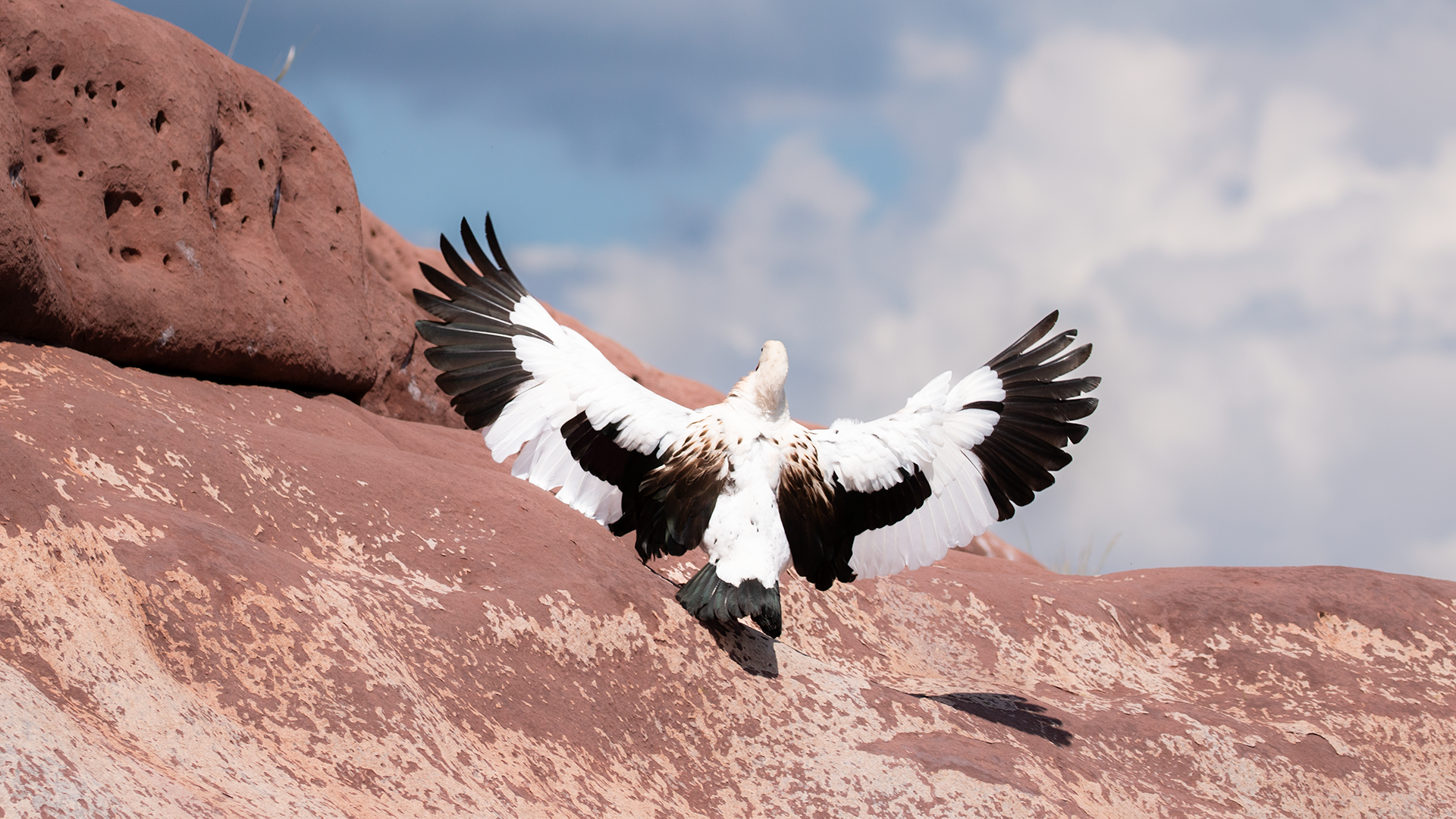
This chunky white-and-black goose is often common and conspicuous on Andean bogs and lakeshores; usually in pairs or small groups and can be confiding in areas where not hunted. Note the small pink bill and pink legs; sexes alike but the male is larger. Local overlap in Andes of central Chile with Upland Goose. Male Upland Geese have a black bill and legs, and dark barring on body. Like the other species in this genus, males give high wheezy whistles whereas females grunt and bray.
Peru . Lake Titicaca . 2025
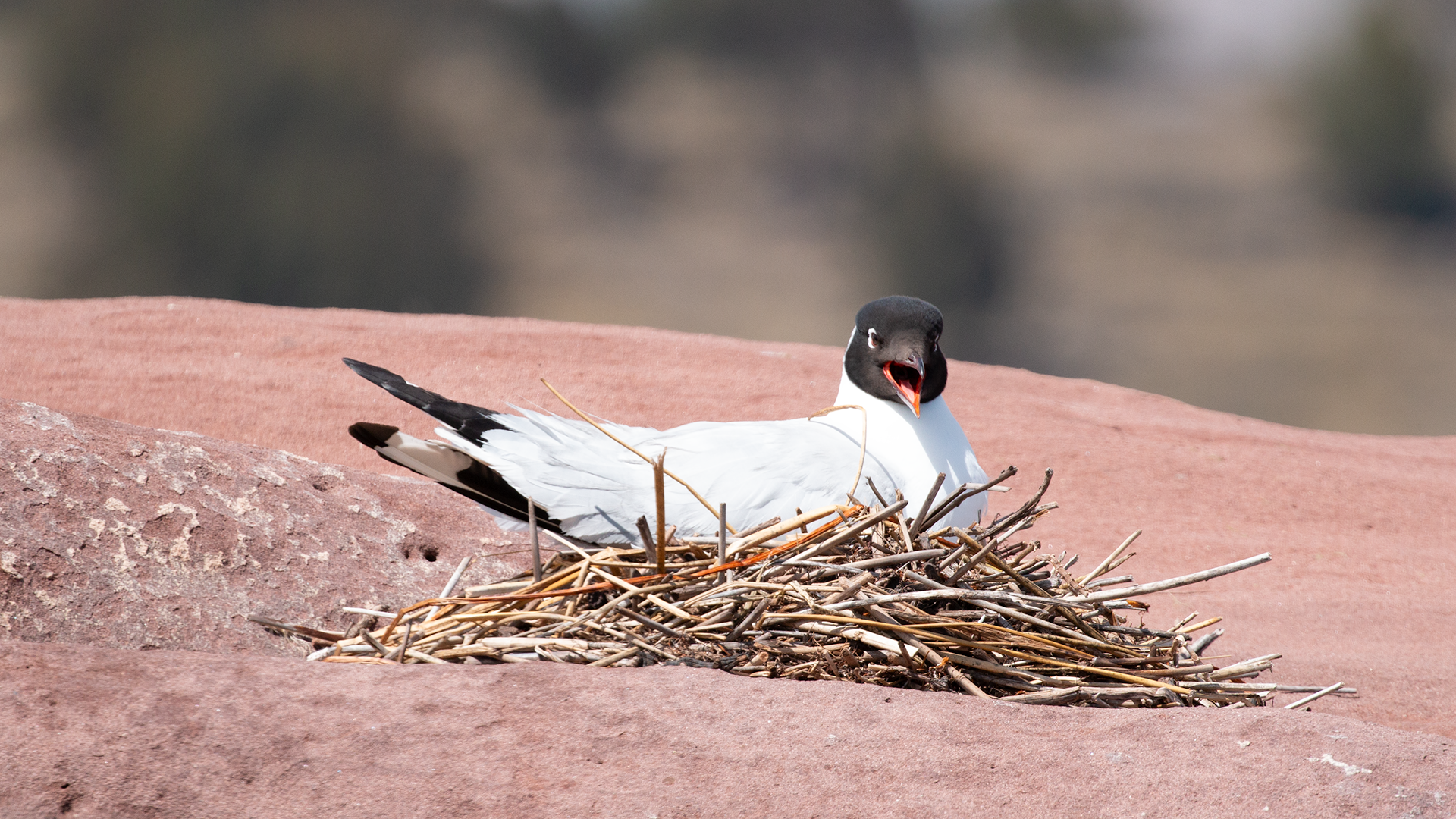
Handsome hooded gull of the Andes; also ranges to coastal areas in nonbreeding season. Found at lakes, wetlands, and bogs; ranging to plowed fields and farmland, and beaches and river mouths on the coast. Larger and stockier than other hooded gulls, with diagnostic wingtip pattern: broad white band in black wingtip; all ages have relatively small dark bill and dark legs. Breeding adult has blackish hood with white eyering. Immature and nonbreeding plumages have weak dark spot on cheeks.
Peru . Lake Titicaca . 2025
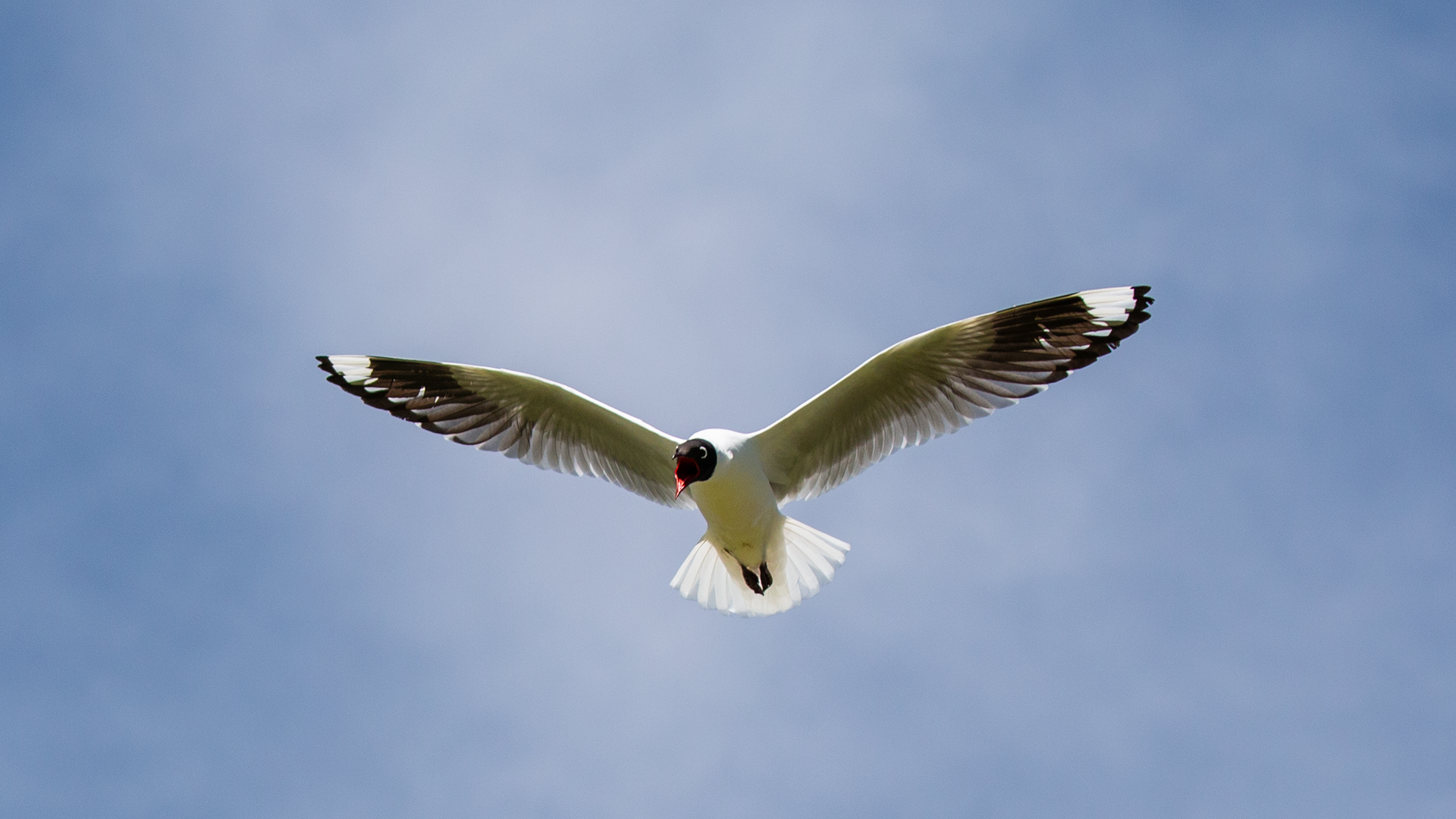
Handsome hooded gull of the Andes; also ranges to coastal areas in nonbreeding season. Found at lakes, wetlands, and bogs; ranging to plowed fields and farmland, and beaches and river mouths on the coast. Larger and stockier than other hooded gulls, with diagnostic wingtip pattern: broad white band in black wingtip; all ages have relatively small dark bill and dark legs. Breeding adult has blackish hood with white eyering. Immature and nonbreeding plumages have weak dark spot on cheeks.
Peru . Lake Titicaca . 2025
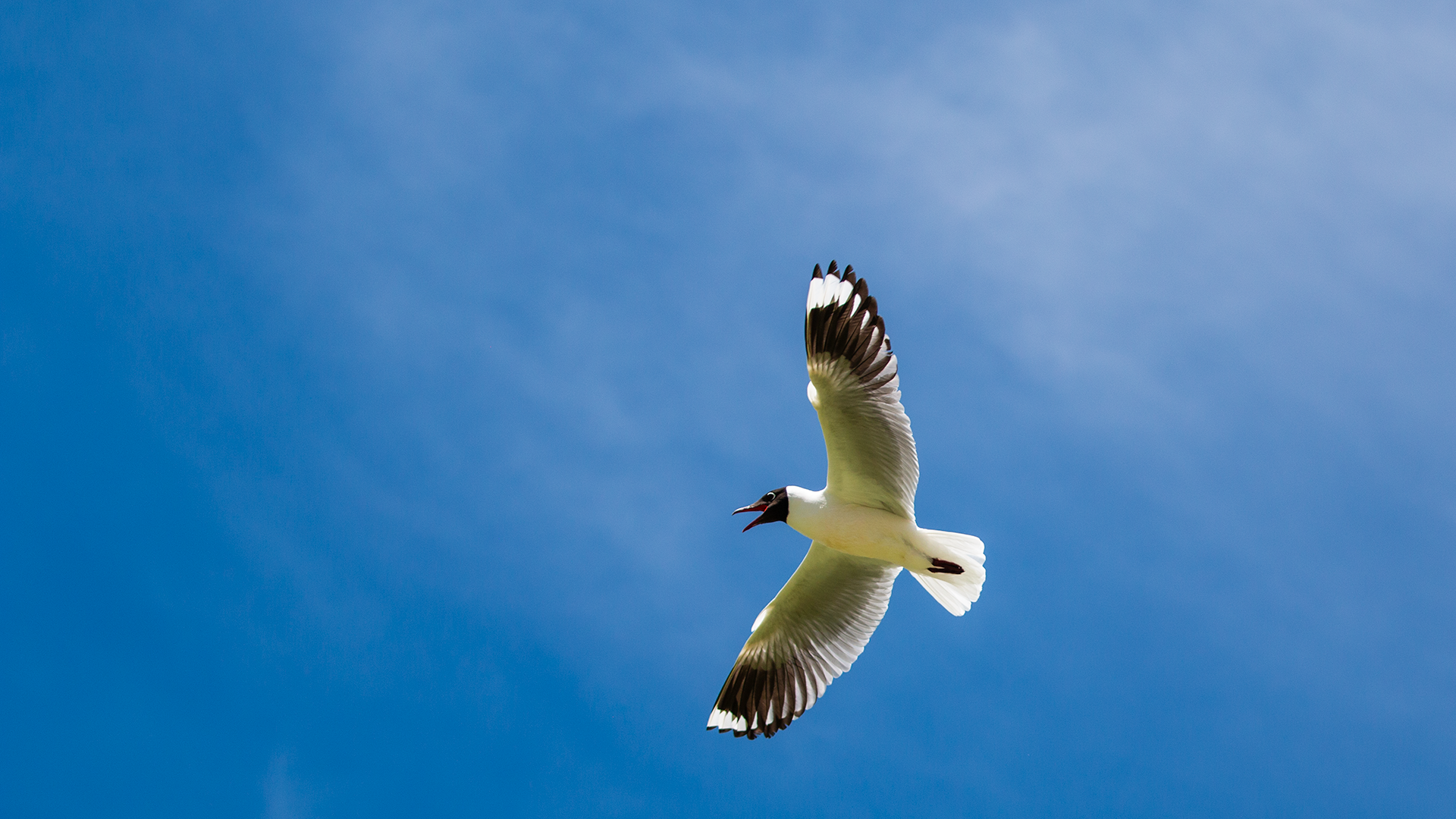
Handsome hooded gull of the Andes; also ranges to coastal areas in nonbreeding season. Found at lakes, wetlands, and bogs; ranging to plowed fields and farmland, and beaches and river mouths on the coast. Larger and stockier than other hooded gulls, with diagnostic wingtip pattern: broad white band in black wingtip; all ages have relatively small dark bill and dark legs. Breeding adult has blackish hood with white eyering. Immature and nonbreeding plumages have weak dark spot on cheeks.
Peru . Lake Titicaca . 2025

Handsome hooded gull of the Andes; also ranges to coastal areas in nonbreeding season. Found at lakes, wetlands, and bogs; ranging to plowed fields and farmland, and beaches and river mouths on the coast. Larger and stockier than other hooded gulls, with diagnostic wingtip pattern: broad white band in black wingtip; all ages have relatively small dark bill and dark legs. Breeding adult has blackish hood with white eyering. Immature and nonbreeding plumages have weak dark spot on cheeks.
Peru . Lake Titicaca . 2025
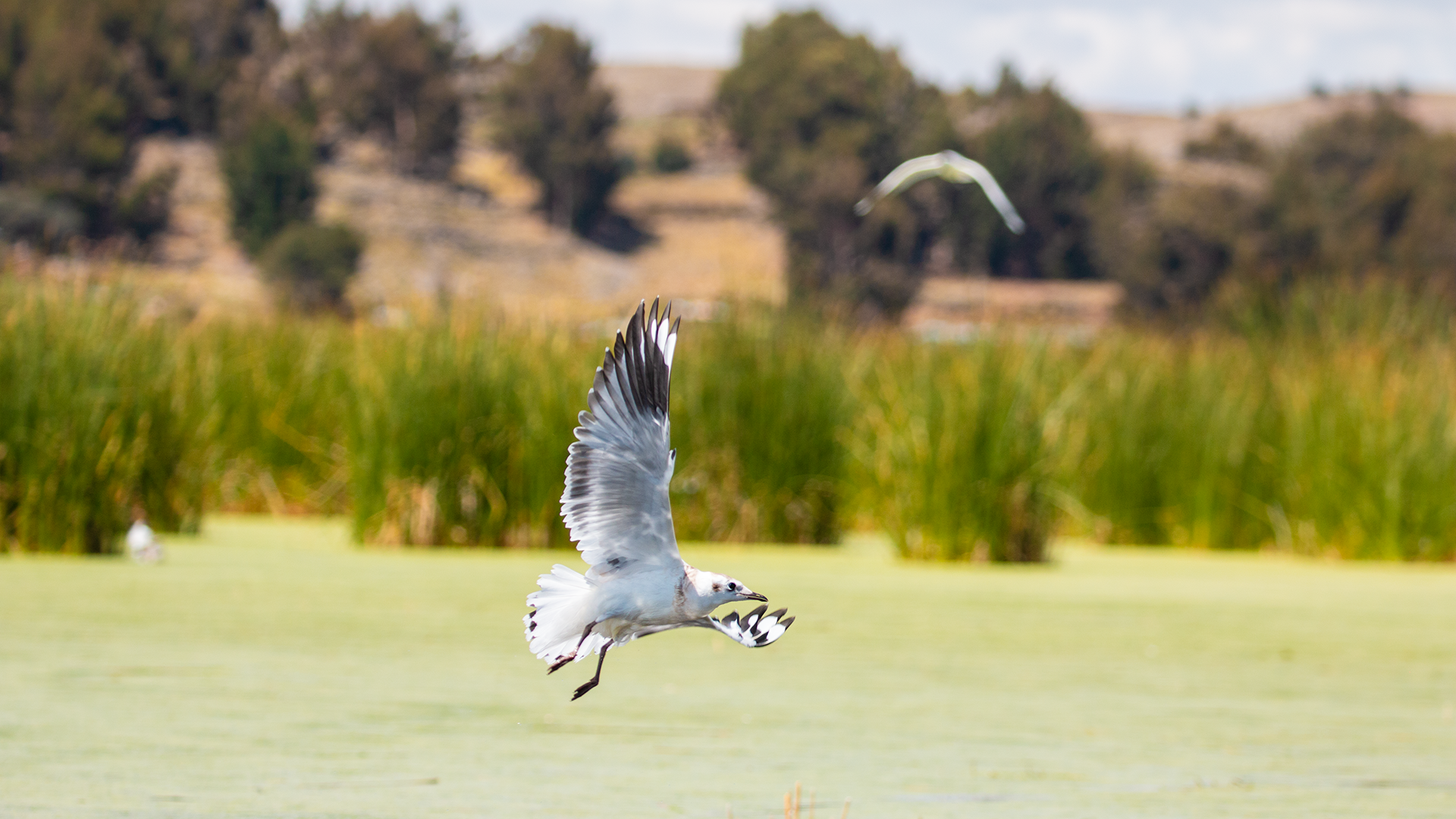
Handsome hooded gull of the Andes; also ranges to coastal areas in nonbreeding season. Found at lakes, wetlands, and bogs; ranging to plowed fields and farmland, and beaches and river mouths on the coast. Larger and stockier than other hooded gulls, with diagnostic wingtip pattern: broad white band in black wingtip; all ages have relatively small dark bill and dark legs. Breeding adult has blackish hood with white eyering. Immature and nonbreeding plumages have weak dark spot on cheeks.
Peru . Lake Titicaca . 2025
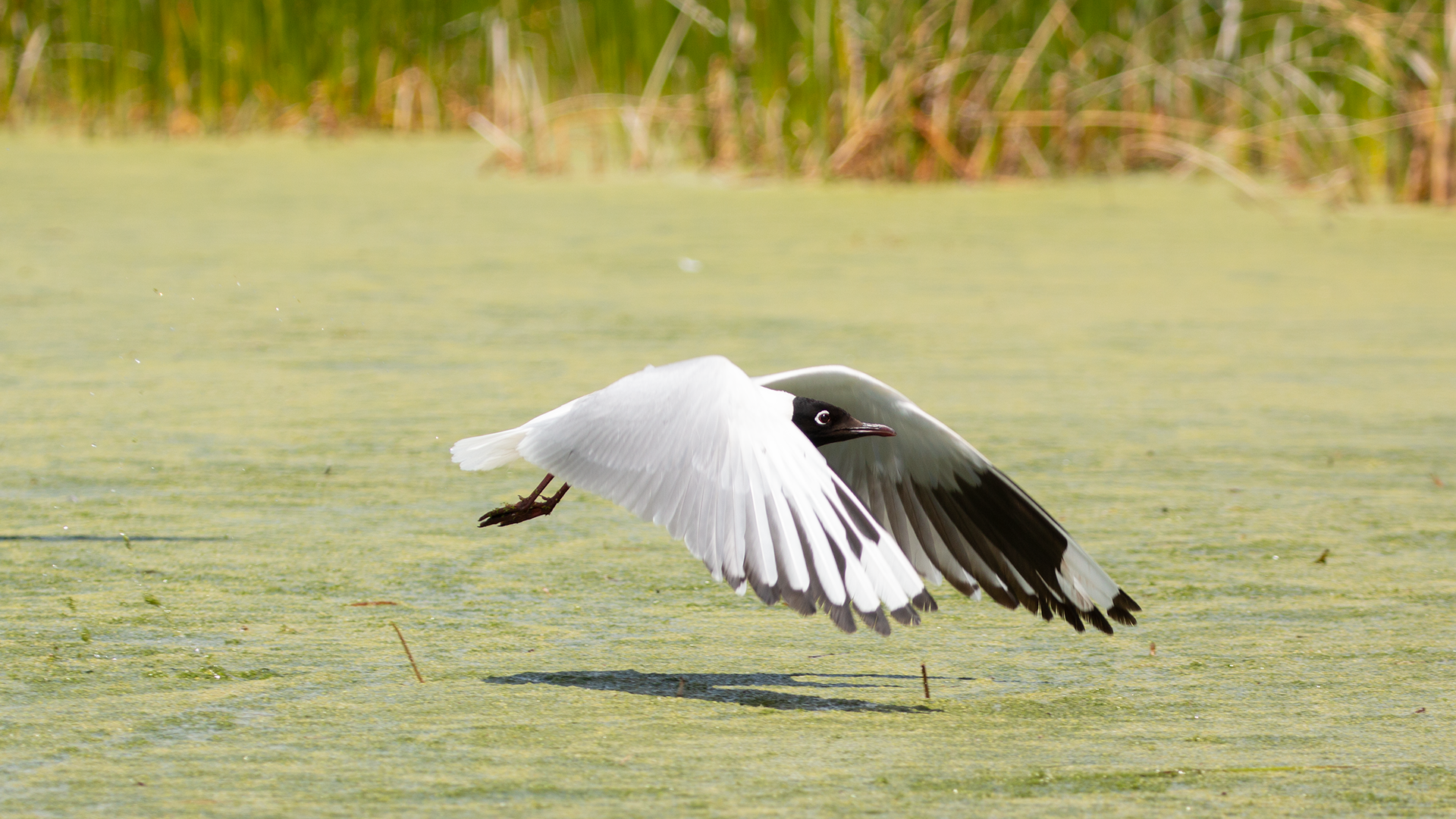
Handsome hooded gull of the Andes; also ranges to coastal areas in nonbreeding season. Found at lakes, wetlands, and bogs; ranging to plowed fields and farmland, and beaches and river mouths on the coast. Larger and stockier than other hooded gulls, with diagnostic wingtip pattern: broad white band in black wingtip; all ages have relatively small dark bill and dark legs. Breeding adult has blackish hood with white eyering. Immature and nonbreeding plumages have weak dark spot on cheeks.
Peru . Lake Titicaca . 2025
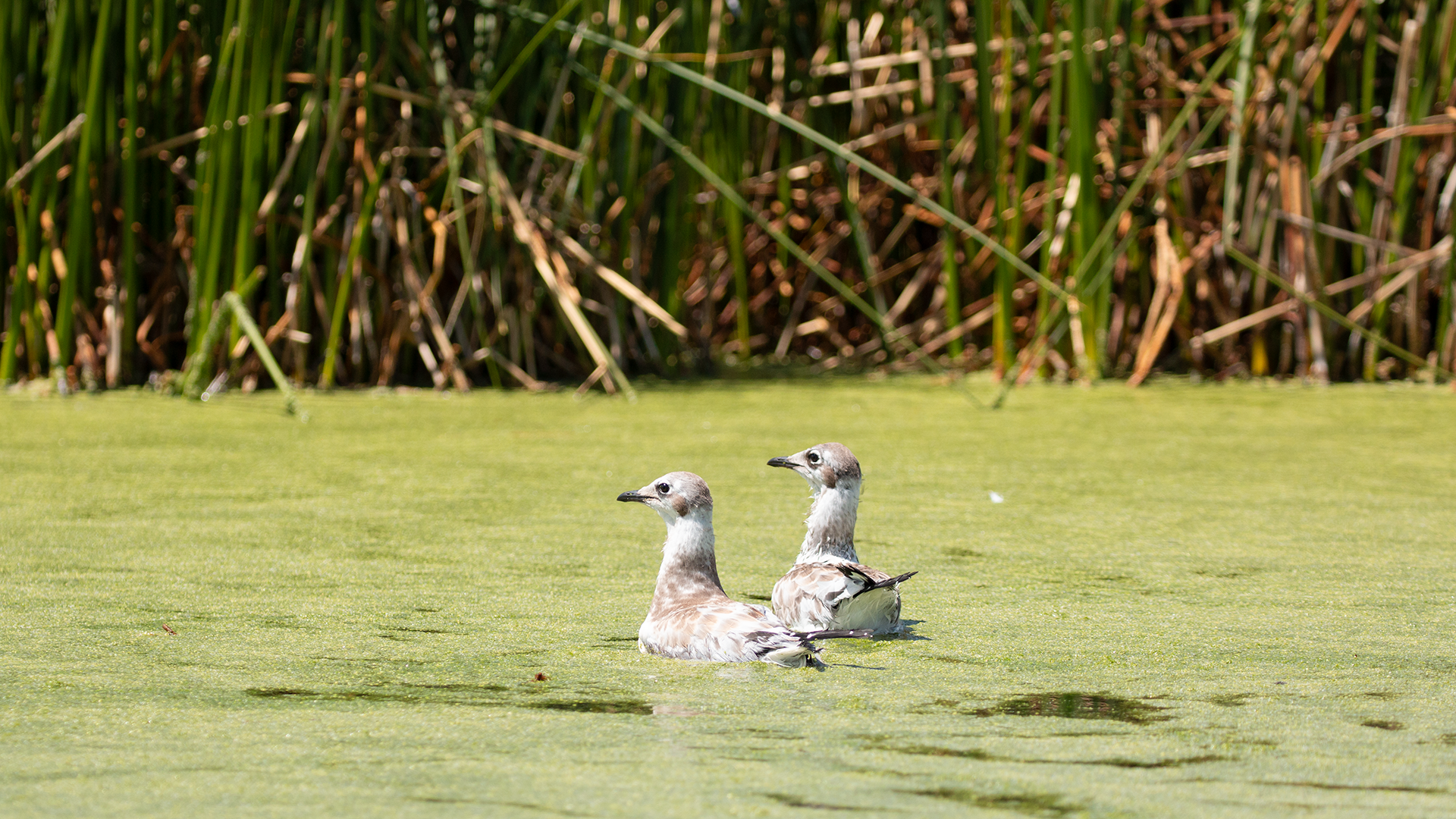
Handsome hooded gull of the Andes; also ranges to coastal areas in nonbreeding season. Found at lakes, wetlands, and bogs; ranging to plowed fields and farmland, and beaches and river mouths on the coast. Larger and stockier than other hooded gulls, with diagnostic wingtip pattern: broad white band in black wingtip; all ages have relatively small dark bill and dark legs. Breeding adult has blackish hood with white eyering. Immature and nonbreeding plumages have weak dark spot on cheeks.
Peru . Lake Titicaca . 2025
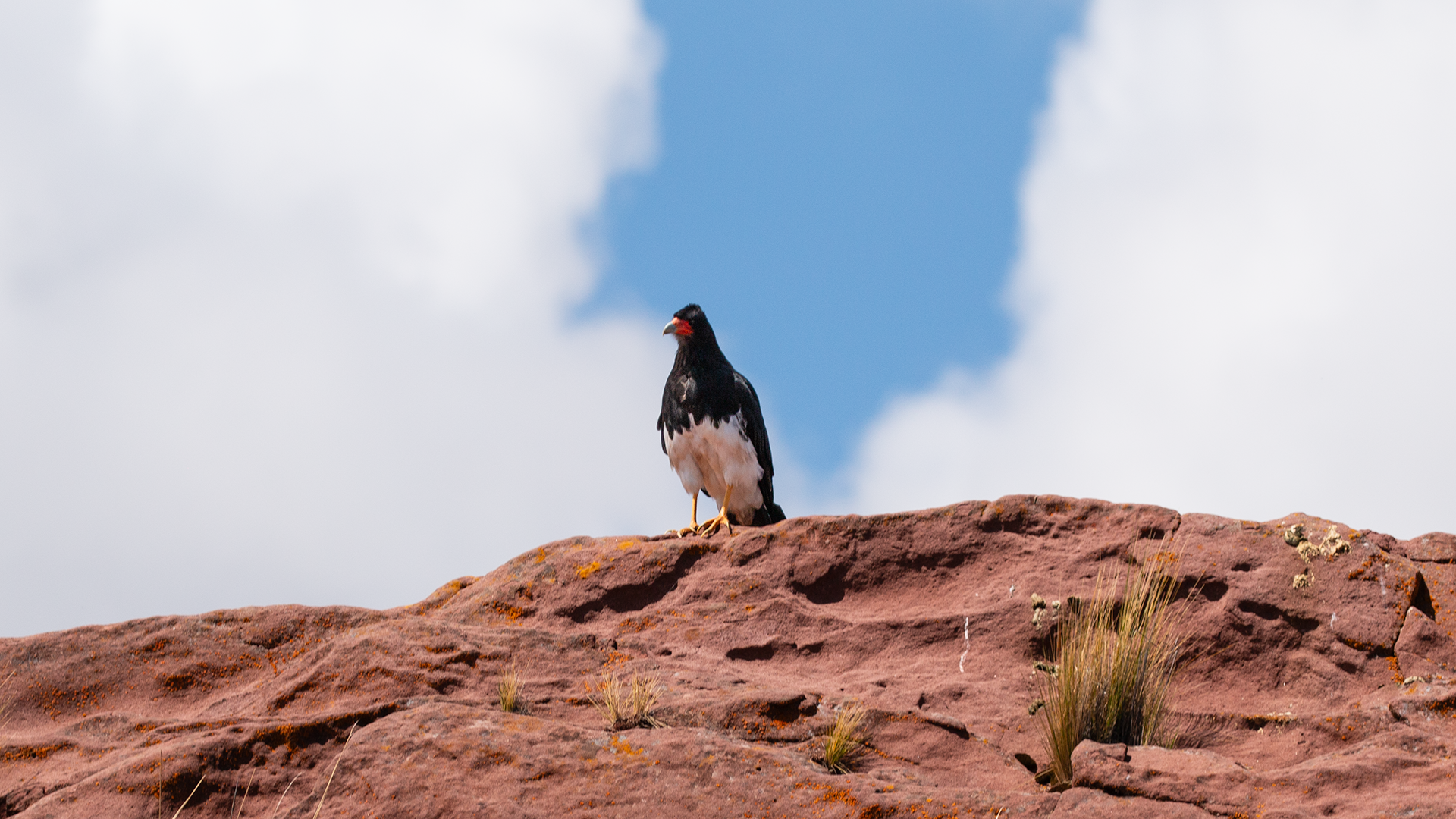
Uncommon to fairly common in the Andes, where its range does not overlap with closely related species to the north and south. Favors open habitats from puna plains to bleak desert and ski lodges, often with rocky cliffs nearby. Sails, soars, and tumbles easily on updrafts. Adult is strikingly patterned black-and-white with a black head and breast and a bold white tail tip. Juvenile is rather similar to smaller Chimango Caracara of lowlands, but distinguished by black (not pale) bill.
Peru . Lake Titicaca . 2025
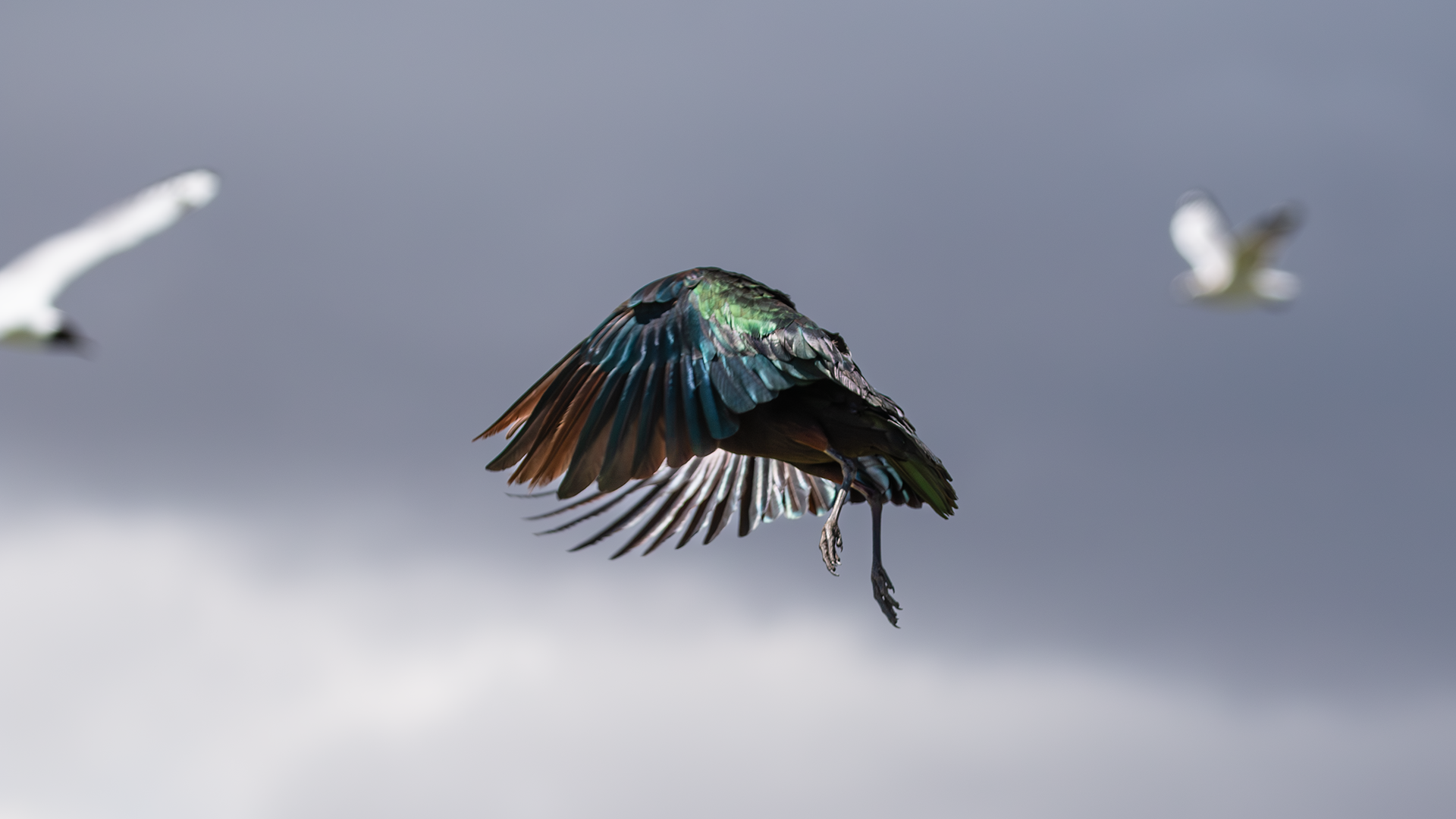
Rather stocky, all-dark ibis of wetlands and lakes in high Andes; also wanders to coastal lowlands, where can be locally numerous. Usually in small groups. Feeds by probing with its downcurved bill. Breeding adult has dark chestnut head and neck, and red face. Nonbreeding and immature have whitish streaking on head and neck, and duller face. In flight, feet project only a short distance beyond tail tip.
Peru . Lake Titicaca . 2025
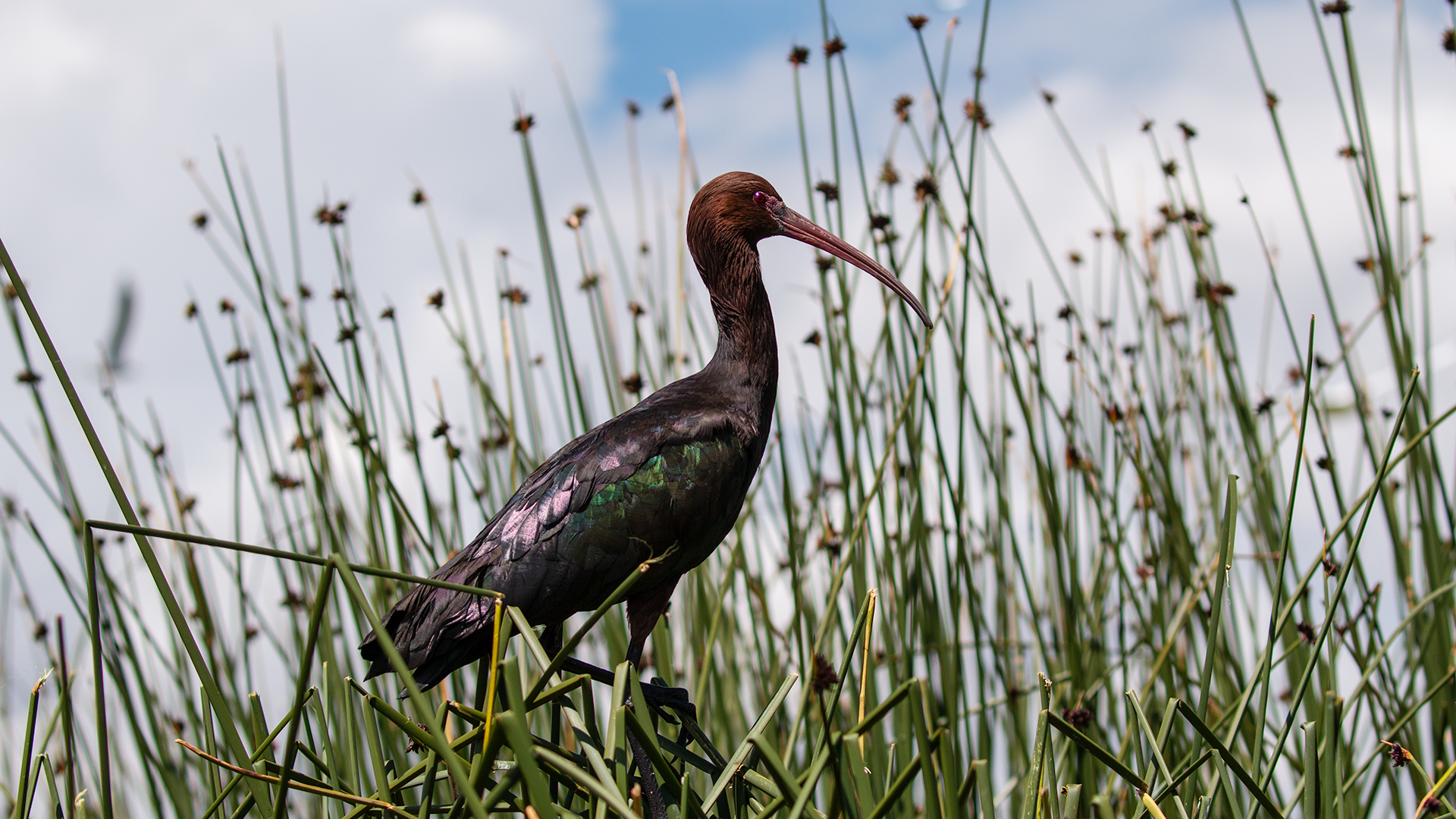
Rather stocky, all-dark ibis of wetlands and lakes in high Andes; also wanders to coastal lowlands, where can be locally numerous. Usually in small groups. Feeds by probing with its downcurved bill. Breeding adult has dark chestnut head and neck, and red face. Nonbreeding and immature have whitish streaking on head and neck, and duller face. In flight, feet project only a short distance beyond tail tip.
Peru . Lake Titicaca . 2025
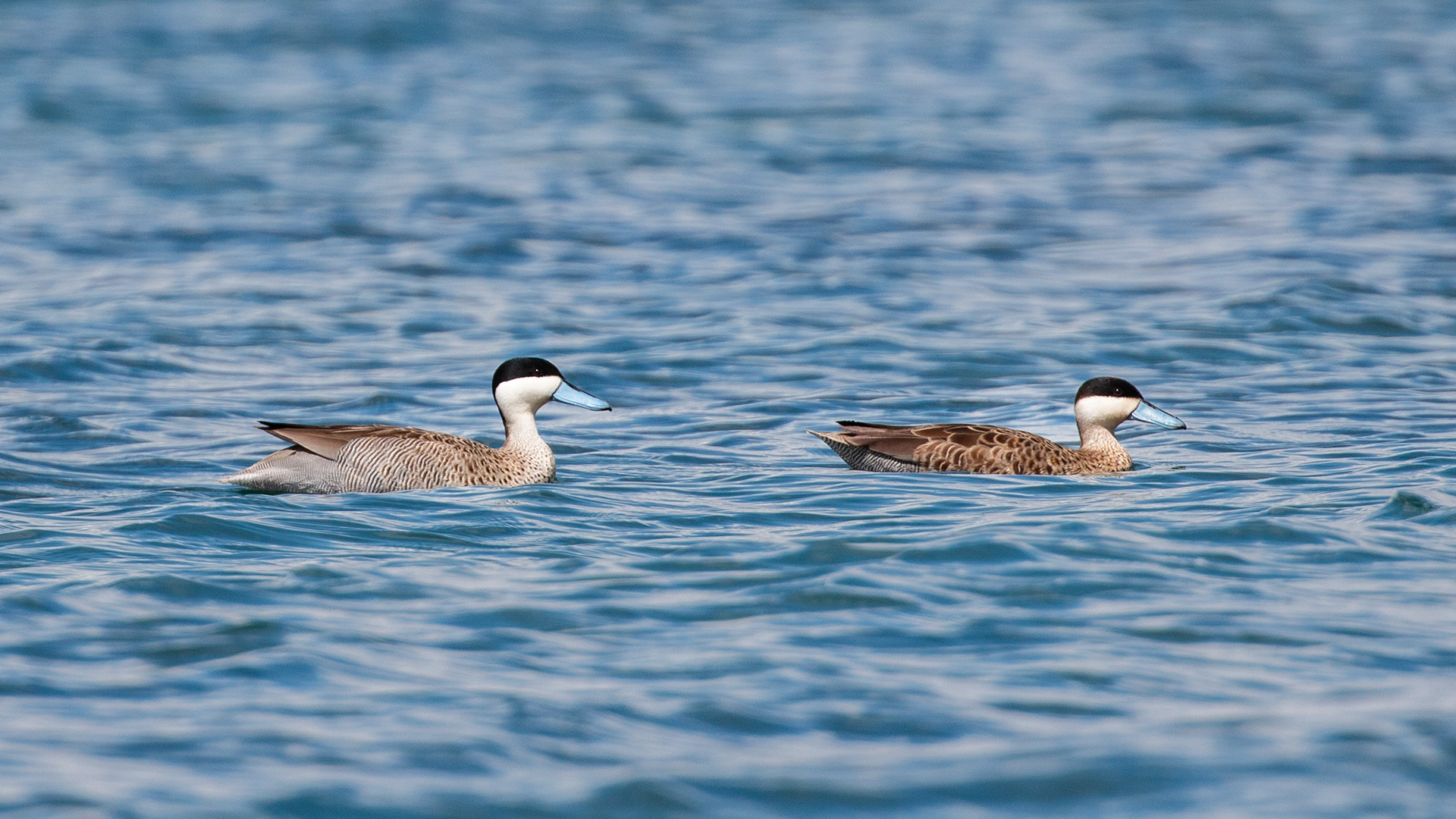
Handsome and distinctive dabbling duck of the high Andes. Note the black cap, bright pale creamy cheeks, and powder-blue bill. Like most South American dabbling ducks (but unlike most Northern Hemisphere species), sexes look similar year-round, although male on average is brighter and more boldly patterned. Often fairly common on bogs, lakes, and other wetlands, especially with reeds and other emergent vegetation.
Peru . Lake Titicaca . 2025
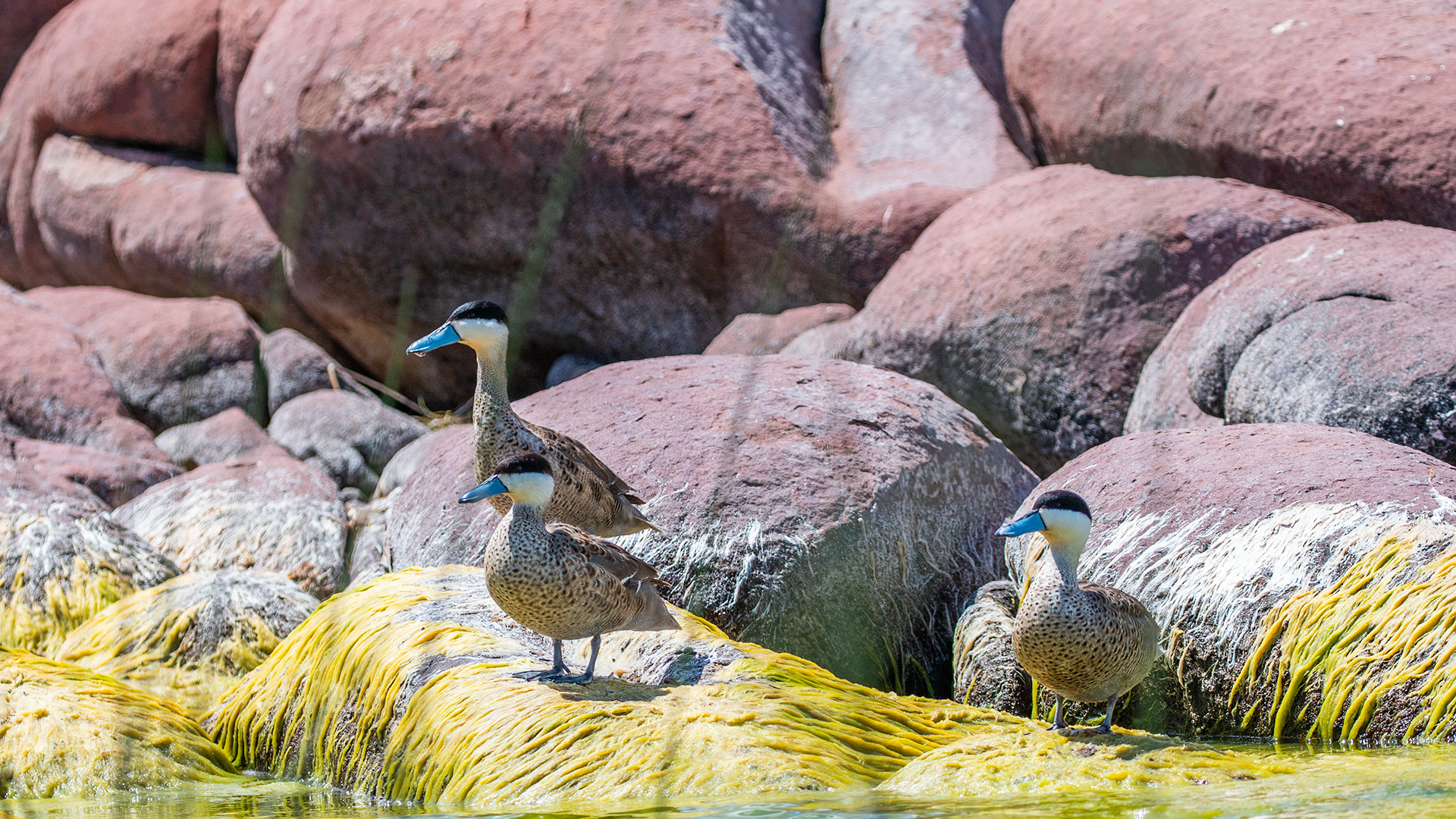
Handsome and distinctive dabbling duck of the high Andes. Note the black cap, bright pale creamy cheeks, and powder-blue bill. Like most South American dabbling ducks (but unlike most Northern Hemisphere species), sexes look similar year-round, although male on average is brighter and more boldly patterned. Often fairly common on bogs, lakes, and other wetlands, especially with reeds and other emergent vegetation.
Peru . Lake Titicaca . 2025
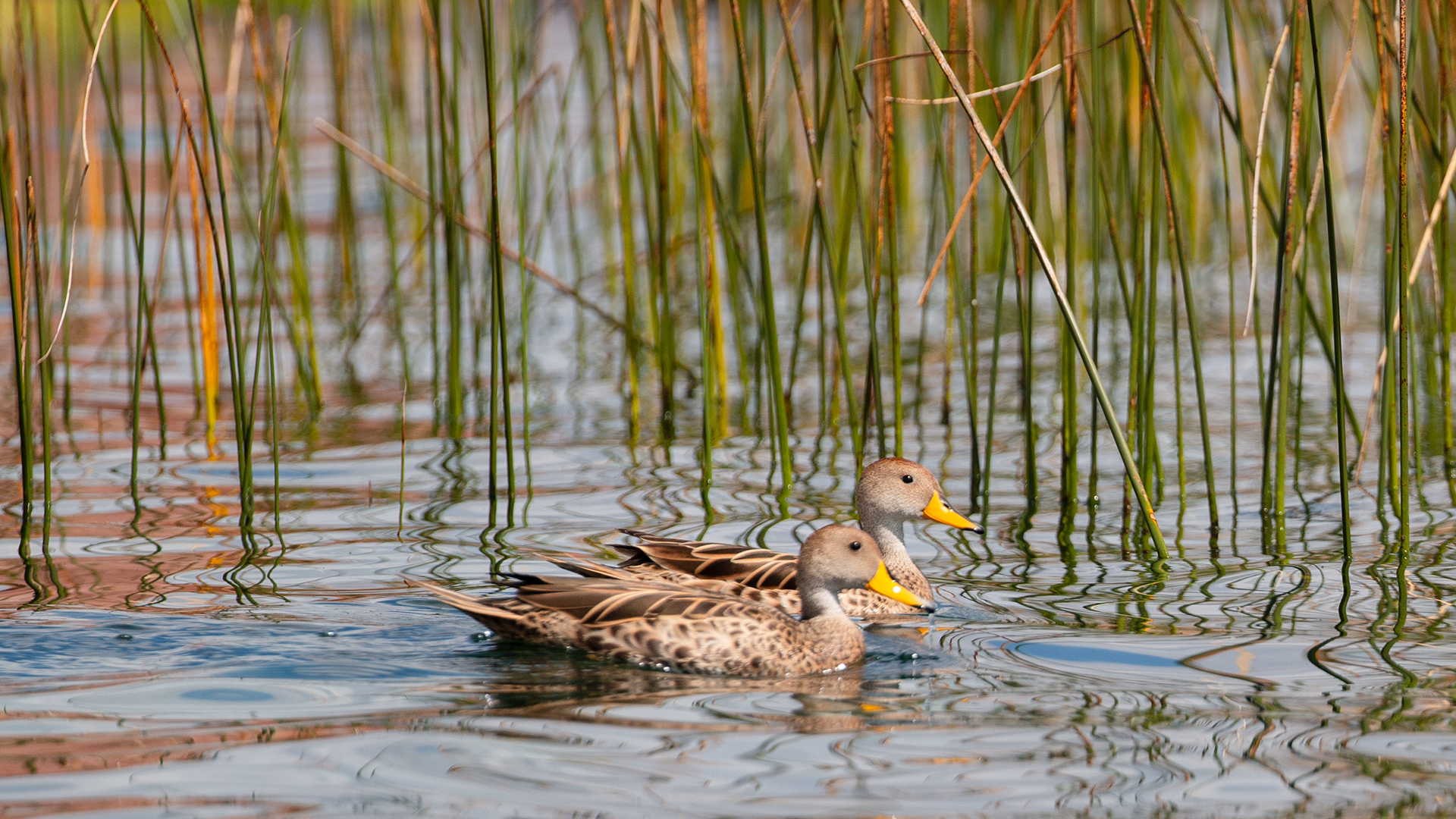
Handsome and generally common dabbling duck of wetlands, lakes, and river mouths. Sexes look alike with a bright yellow bill (duller for a short while on young birds), a plain and rather “soft-faced” brown head, and dark-mottled sides. Also note its elegant shape with a slender neck and long pointed tail. Yellow-billed Teal look somewhat similar (and often occurs in same areas) but Yellow-billed Teal are smaller and more compact with a darker head and plain grayish sides.
Peru . Lake Titicaca . 2025
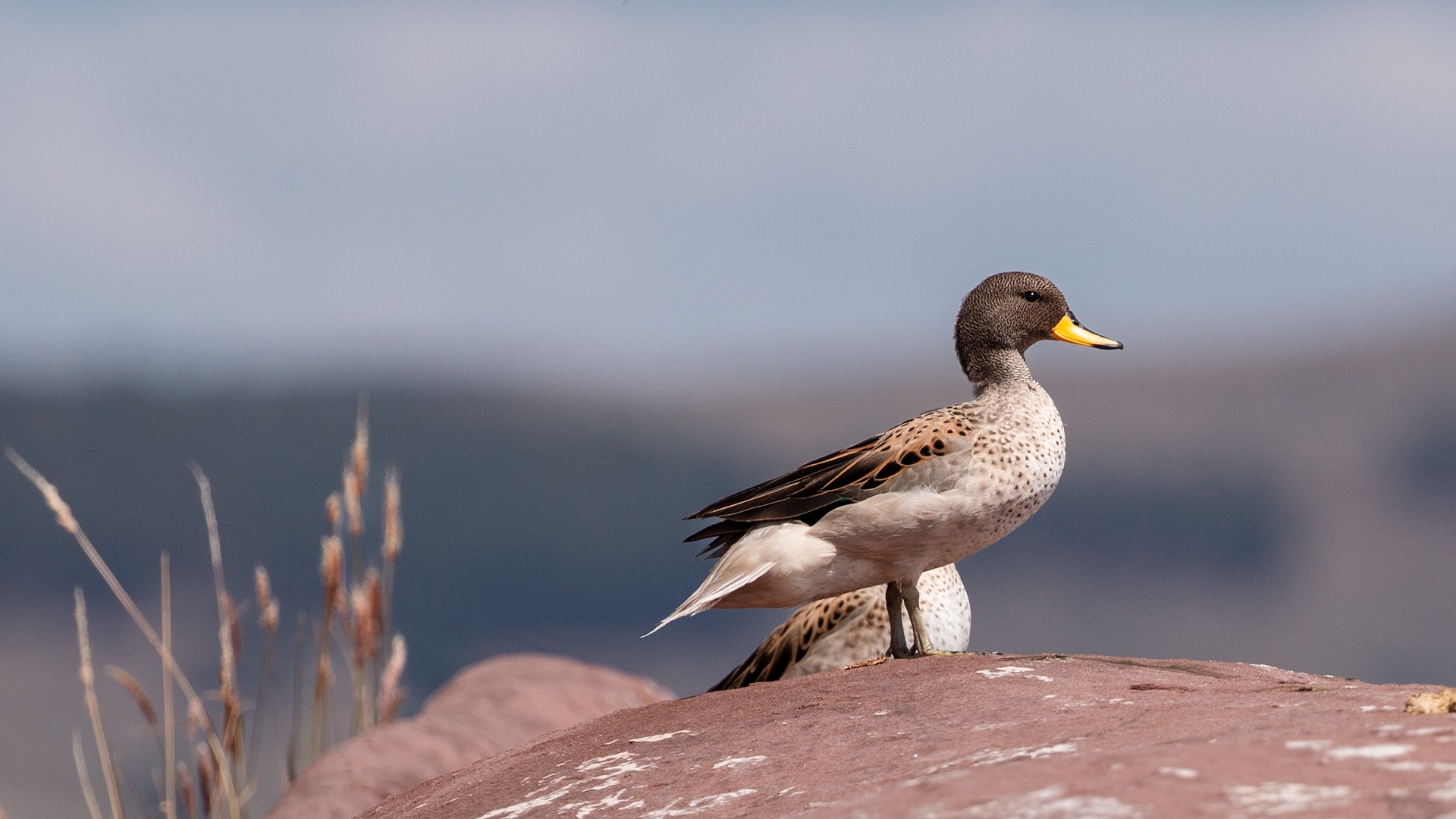
Widespread and often common small duck of wetlands, lakes, river mouths, Andean bogs, and streams. Rather small and compact with a dark head, a bright yellow bill (duller for a short while on young birds), and plain grayish sides. The similar Yellow-billed Pintail is larger and more elegant with a paler head and mottled sides. Teal populations in the high Andes (“Altiplano Teal”) have noticeably paler gray sides than southern lowlands birds (“Austral Teal”).
Peru . Lake Titicaca . 2025
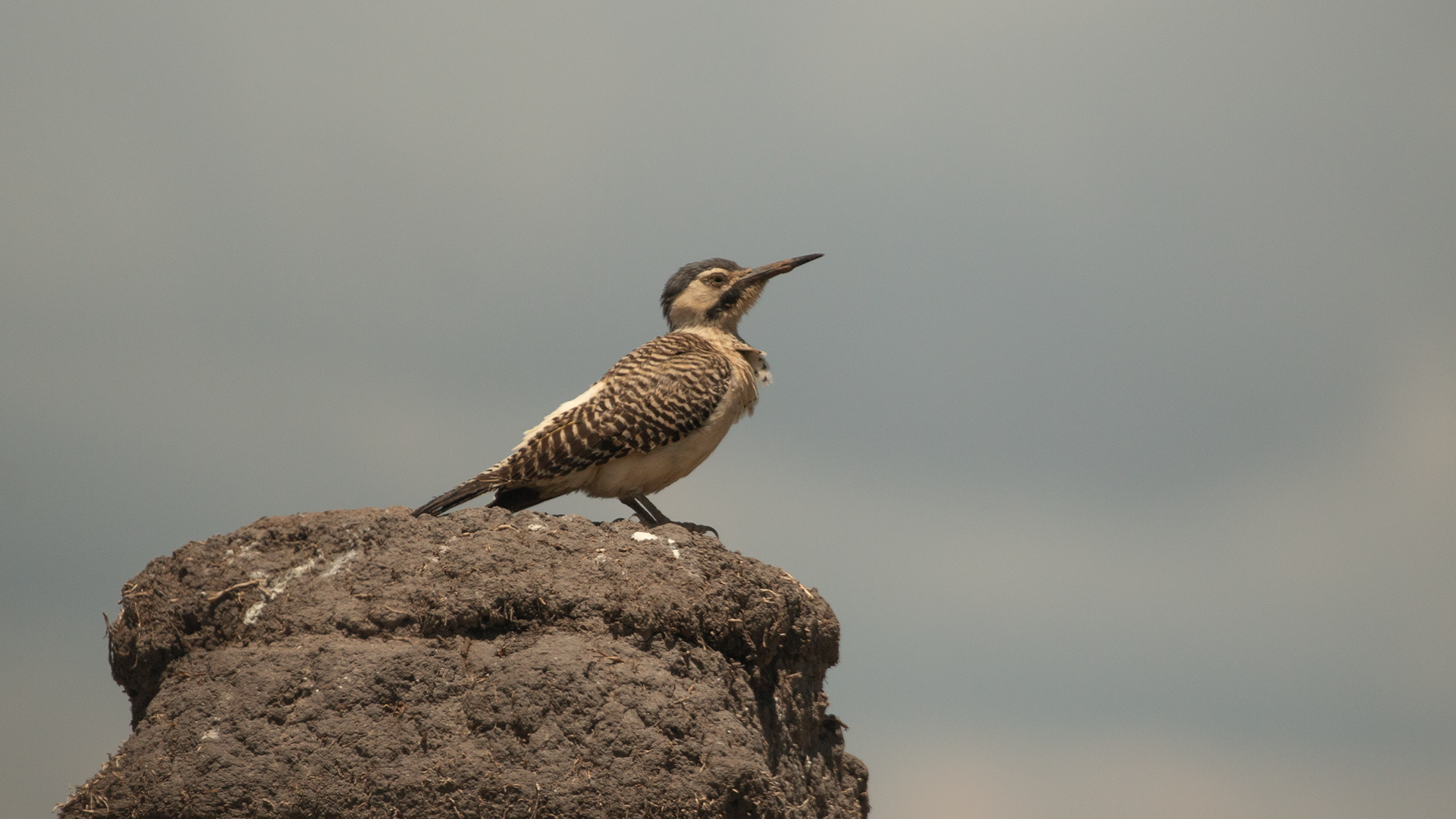
No similar species in its Andean range. Fairly common in open puna and páramo habitats; often near bogs in south of its range and in trees around timberline in north of its range. Mainly feeds on the ground. Nests in cavities in dirt bluffs, walls of old buildings, sometimes in colonies. Note the gray crown and buffy face with a dark whisker (on both sexes, but tipped red on male), big white rump patch, and yellow shafts to wing feathers (mainly visible in flight).
Peru . Lake Titicaca . 2025
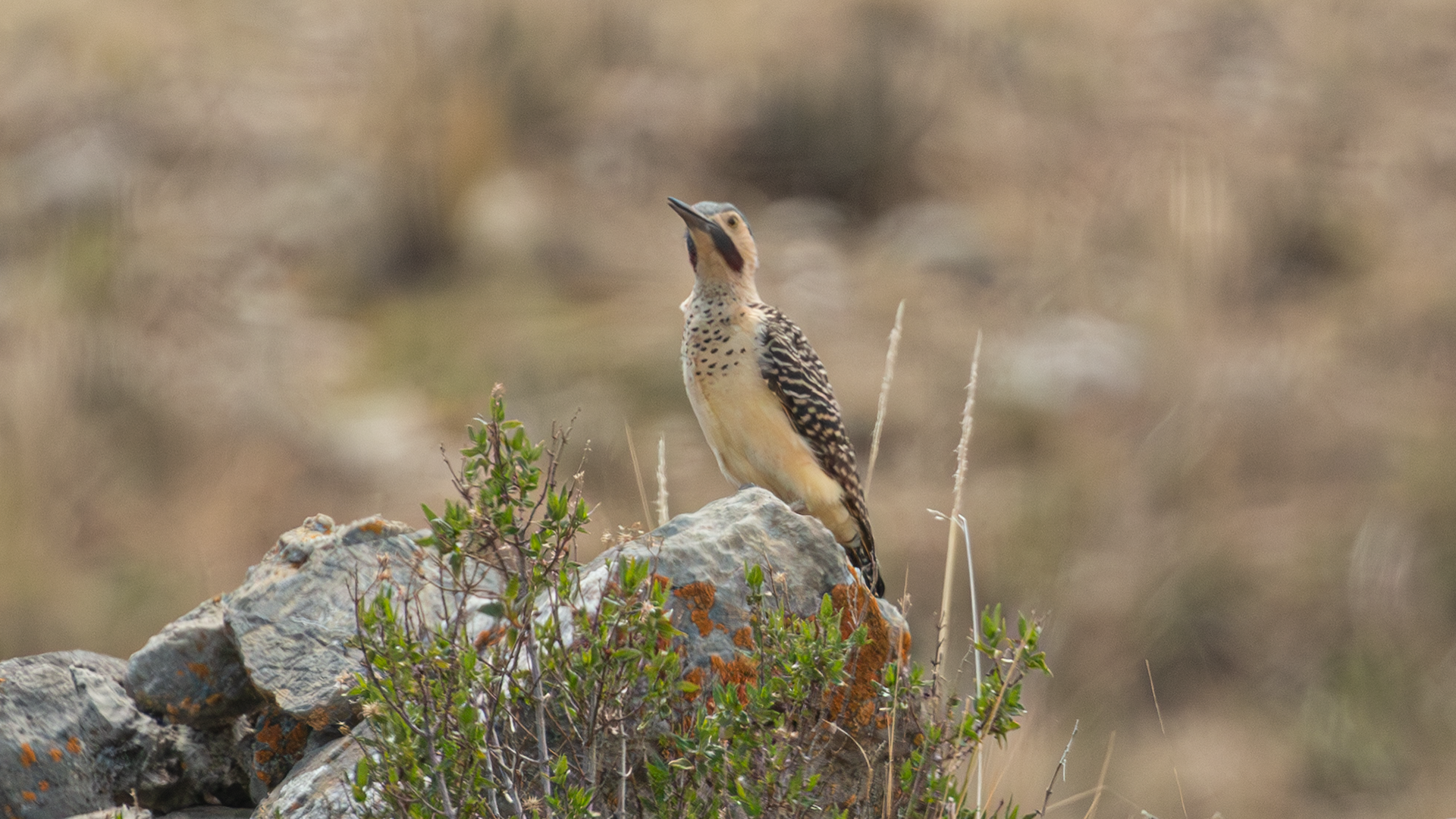
No similar species in its Andean range. Fairly common in open puna and páramo habitats; often near bogs in south of its range and in trees around timberline in north of its range. Mainly feeds on the ground. Nests in cavities in dirt bluffs, walls of old buildings, sometimes in colonies. Note the gray crown and buffy face with a dark whisker (on both sexes, but tipped red on male), big white rump patch, and yellow shafts to wing feathers (mainly visible in flight).
Peru . Lake Titicaca . 2025
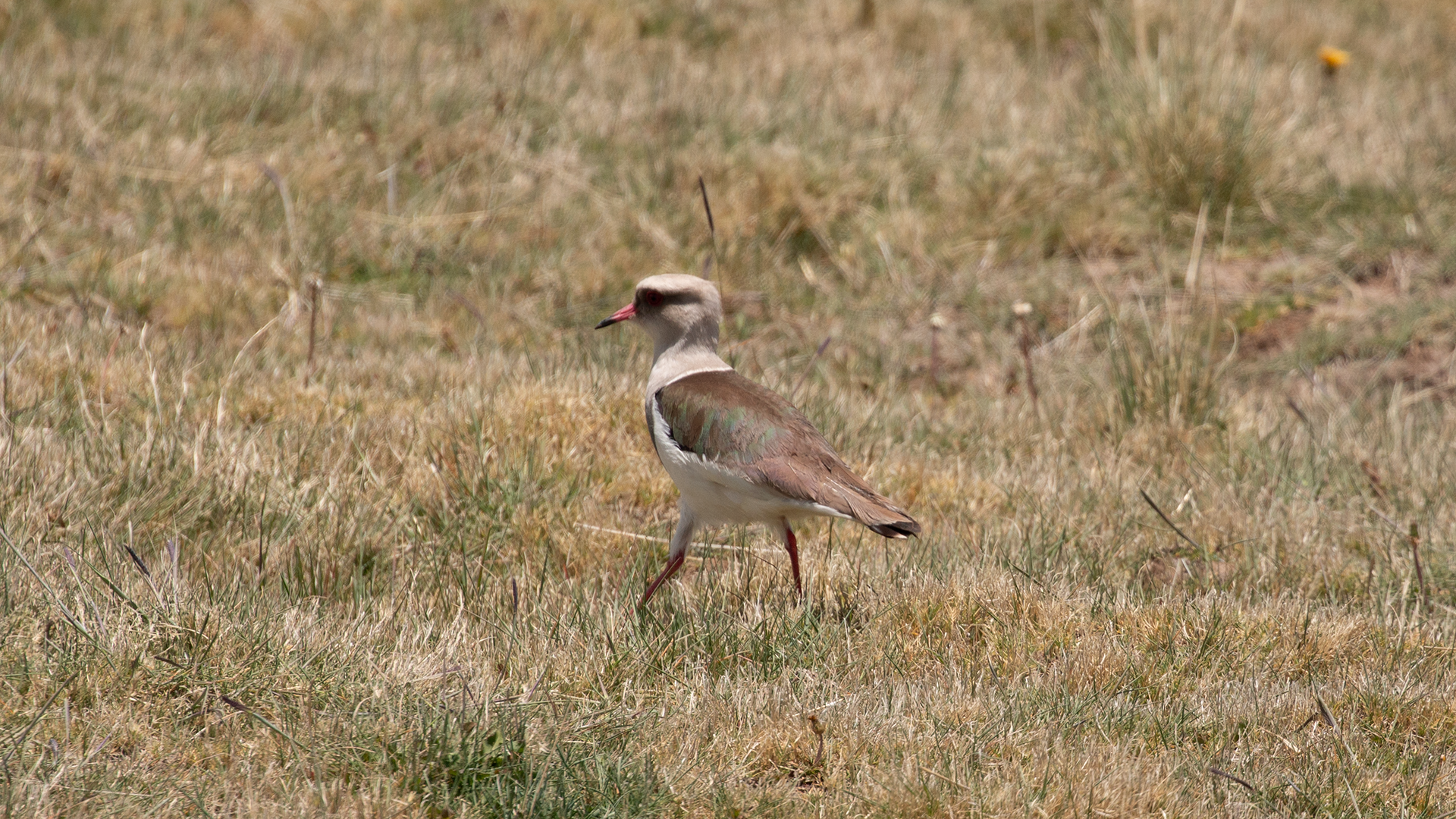
Large, boldly patterned shorebird of high Andean bogs, wetlands, and lakeshores; also ranges into grassy pastures in the northern part of its range. Usually in pairs or loose flocks, feeding with typical stop-start action of plovers. Little or no range overlap with Southern Lapwing of lowlands and foothills. Note dove-gray head and breast (no crest) and pink bill and legs (duller on immature). In flight shows bold black-and-white pattern on wings and tail. Often noisy, especially when flushed.
Peru . Lake Titicaca . 2025
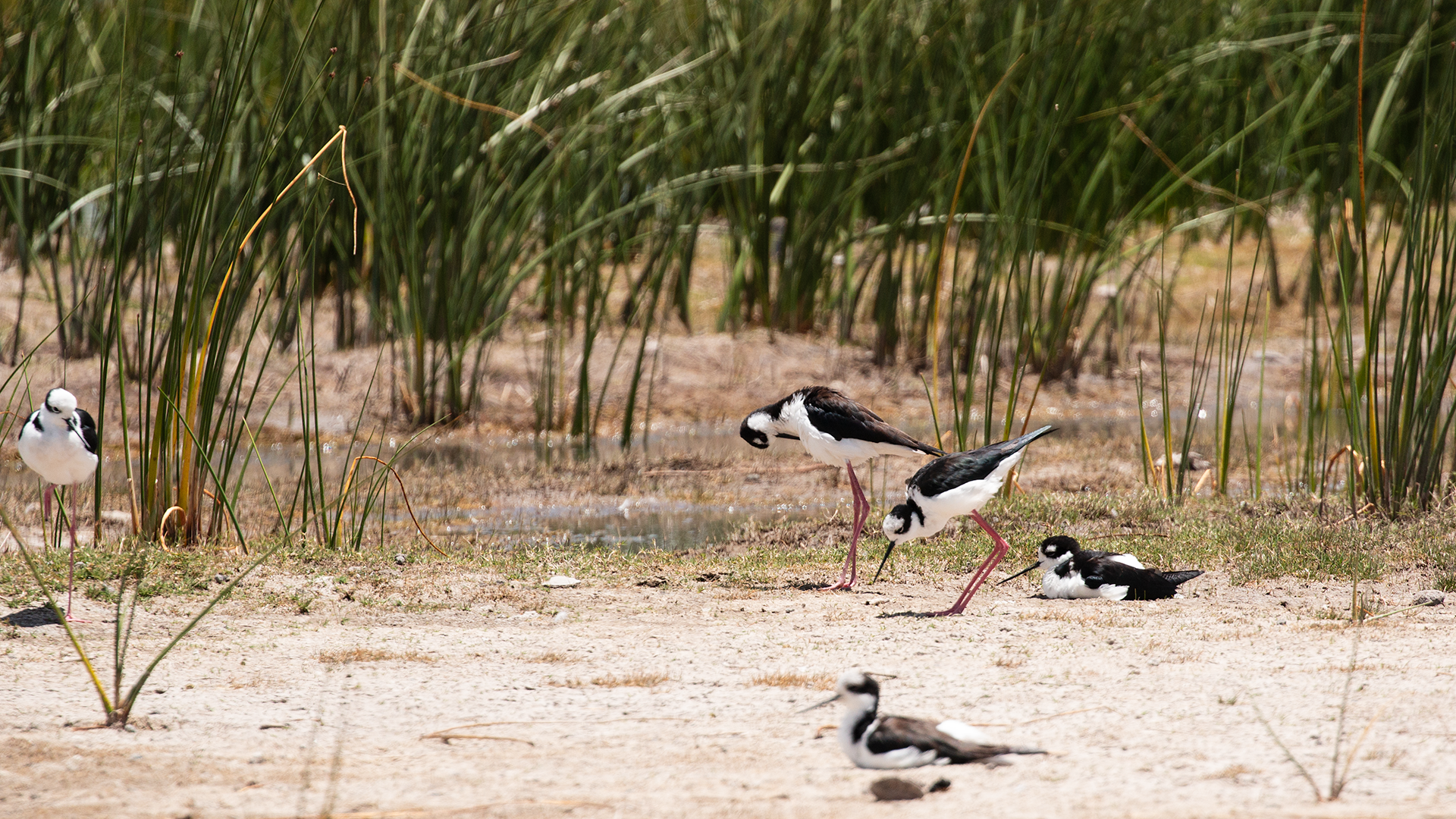
Elegant shorebird with exceptionally long, bright pink legs. Distinctive black-and-white plumage and thin black bill. Male is glossier black above, female is slightly browner. Some variation across range: darker neck in Hawaii; whiter crown and more extensive white collar in southern South America. Widespread and fairly common throughout the Americas, although rare or absent from much of the eastern U.S. Usually seen in pairs or small flocks, foraging in shallow ponds or marshes.
Peru . Lake Titicaca . 2025
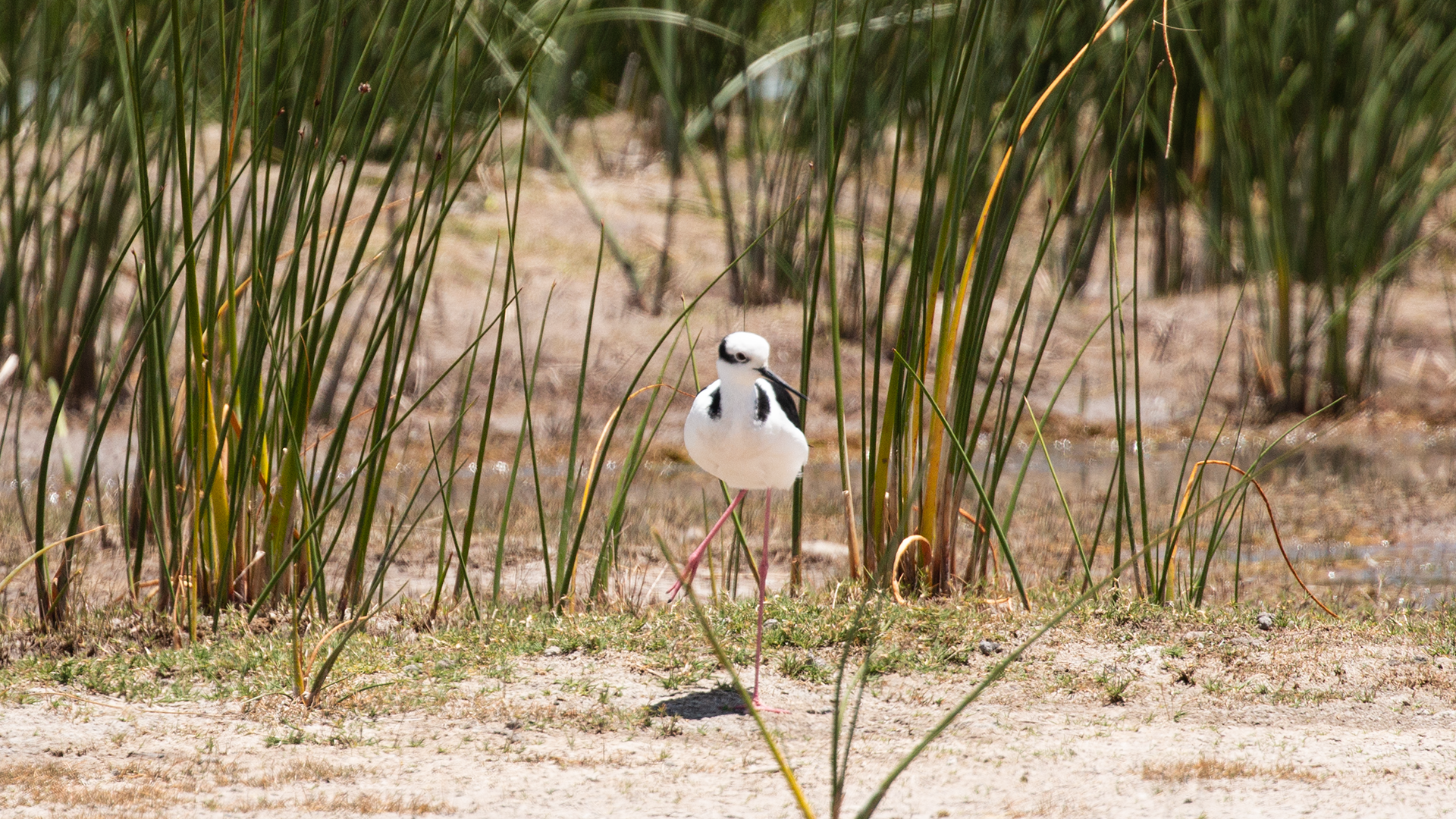
Elegant shorebird with exceptionally long, bright pink legs. Distinctive black-and-white plumage and thin black bill. Male is glossier black above, female is slightly browner. Some variation across range: darker neck in Hawaii; whiter crown and more extensive white collar in southern South America. Widespread and fairly common throughout the Americas, although rare or absent from much of the eastern U.S. Usually seen in pairs or small flocks, foraging in shallow ponds or marshes.
Peru . Lake Titicaca . 2025
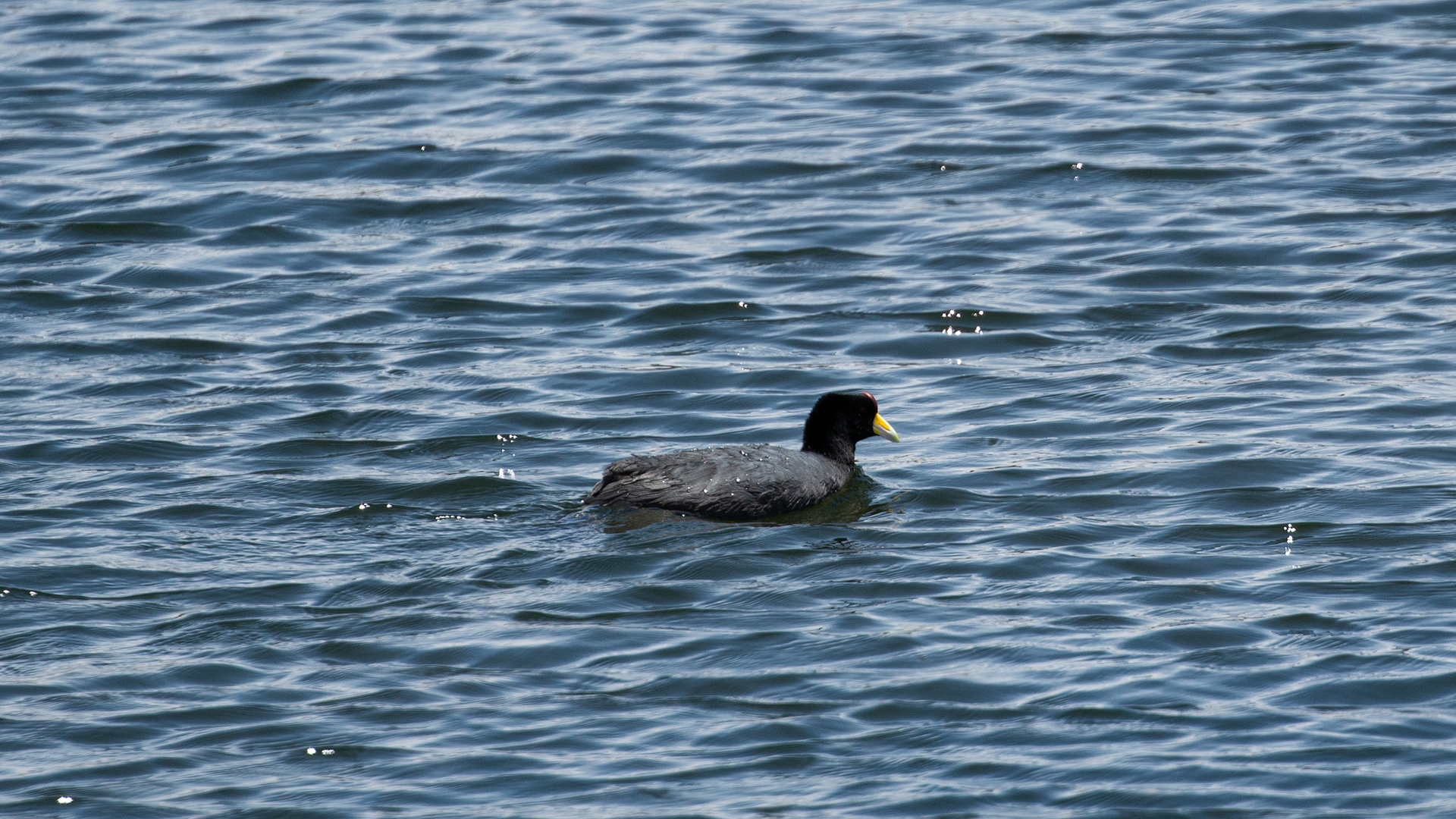
Distinctive huge coot of lakes and bogs in high Andes. Often seen standing along shorelines or on big weed-matted nest mounds. Note the colorful bill, long red legs, and huge feet. Prolonged nesting season means that all stages of nesting and young can be seen together, from small fuzzy black chicks to full-sized juveniles, which are pale grayish with a frosty whitish head and neck. Often rather aggressive. Loud clucking and purring songs carry well and are given frequently.
Peru . Lake Titicaca . 2025
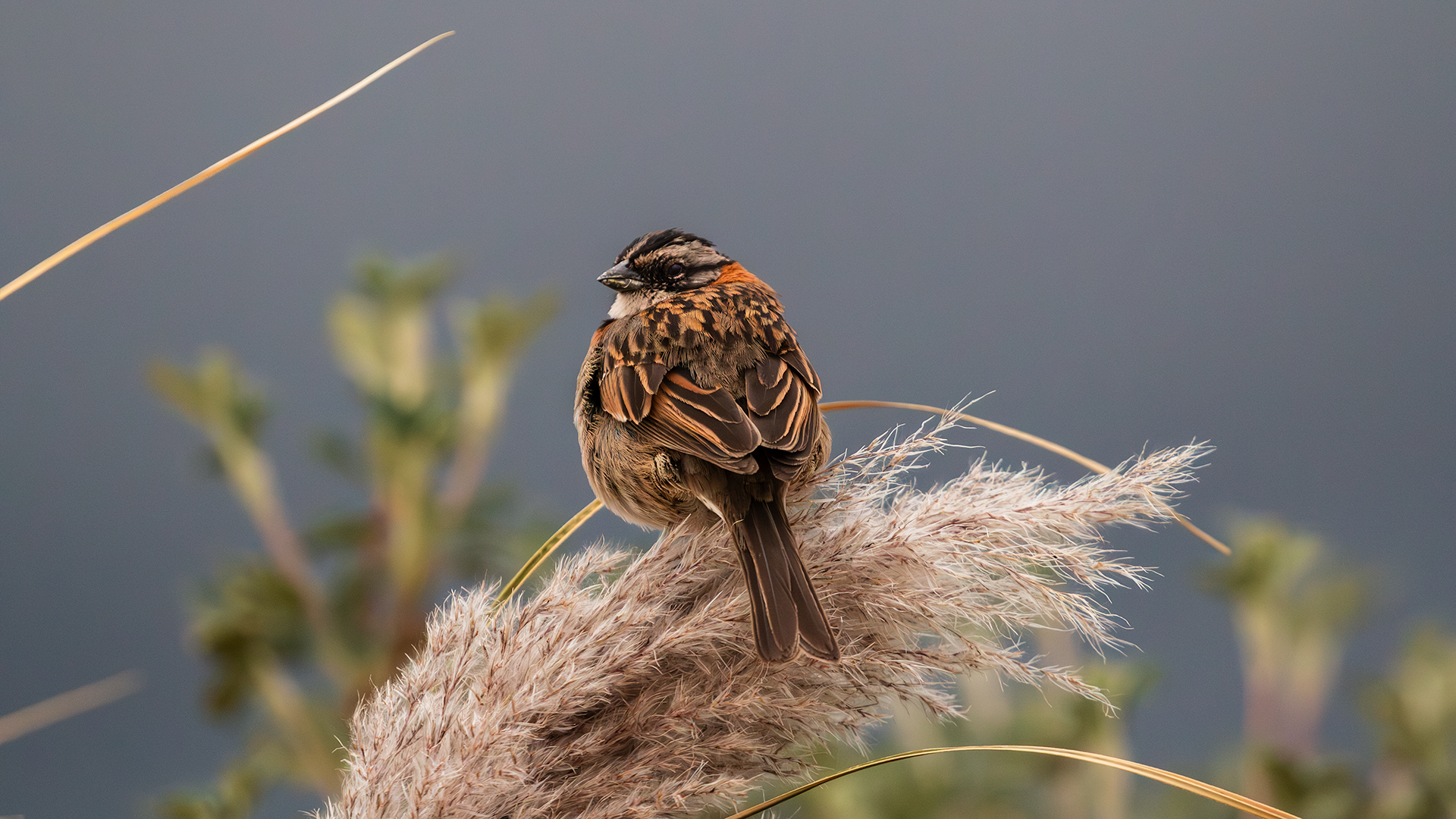
Handsomely patterned sparrow from highlands of Chiapas south to temperate South America. Occurs in open and semiopen habitats such as villages, towns, and farmland with hedges and brushy thickets. Feeds on the ground and in bushes, at times in flocks. Note the peaked crown, bold black-and-gray head pattern (though black much reduced in southern populations), bright rusty collar, and black chest patch. Juvenile has ghosting of adult pattern and breast is streaked dusky.
Peru . Lake Titicaca . 2025
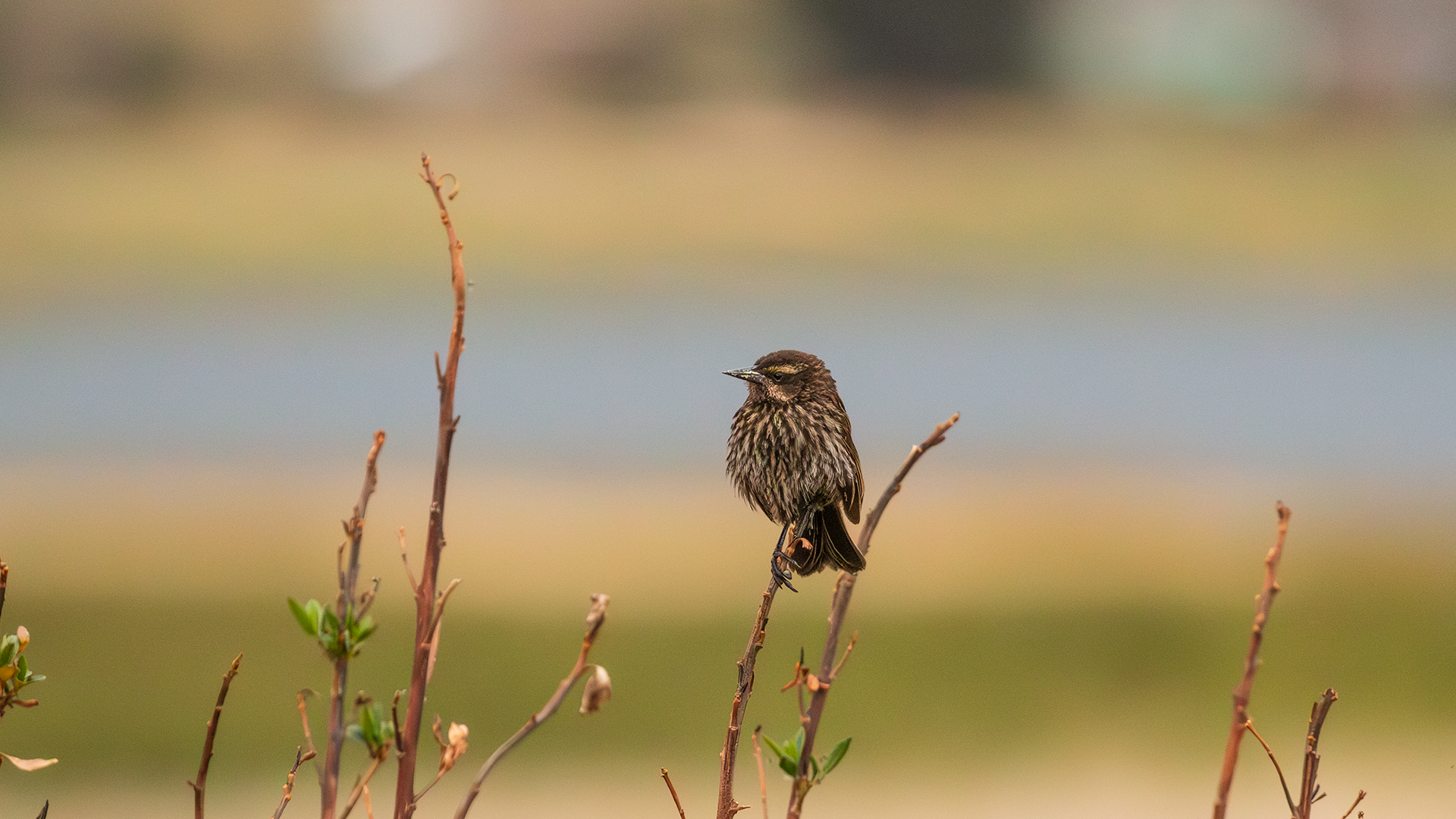
Rarely seen far from water, this handsome blackbird is fairly common, but is sometimes local in wetlands, around lakes, and in nearby fields; usually in small flocks and breeds colonially in reed beds. Feeds mainly on or near the ground, but often perches in reeds. Diagnostic yellow shoulder of male can be concealed at rest, but is obvious in flight. Streaky female rather unremarkable, but often in the company of males: note the bold pale eyebrow and streaked underparts.
Peru . Lake Titicaca . 2025
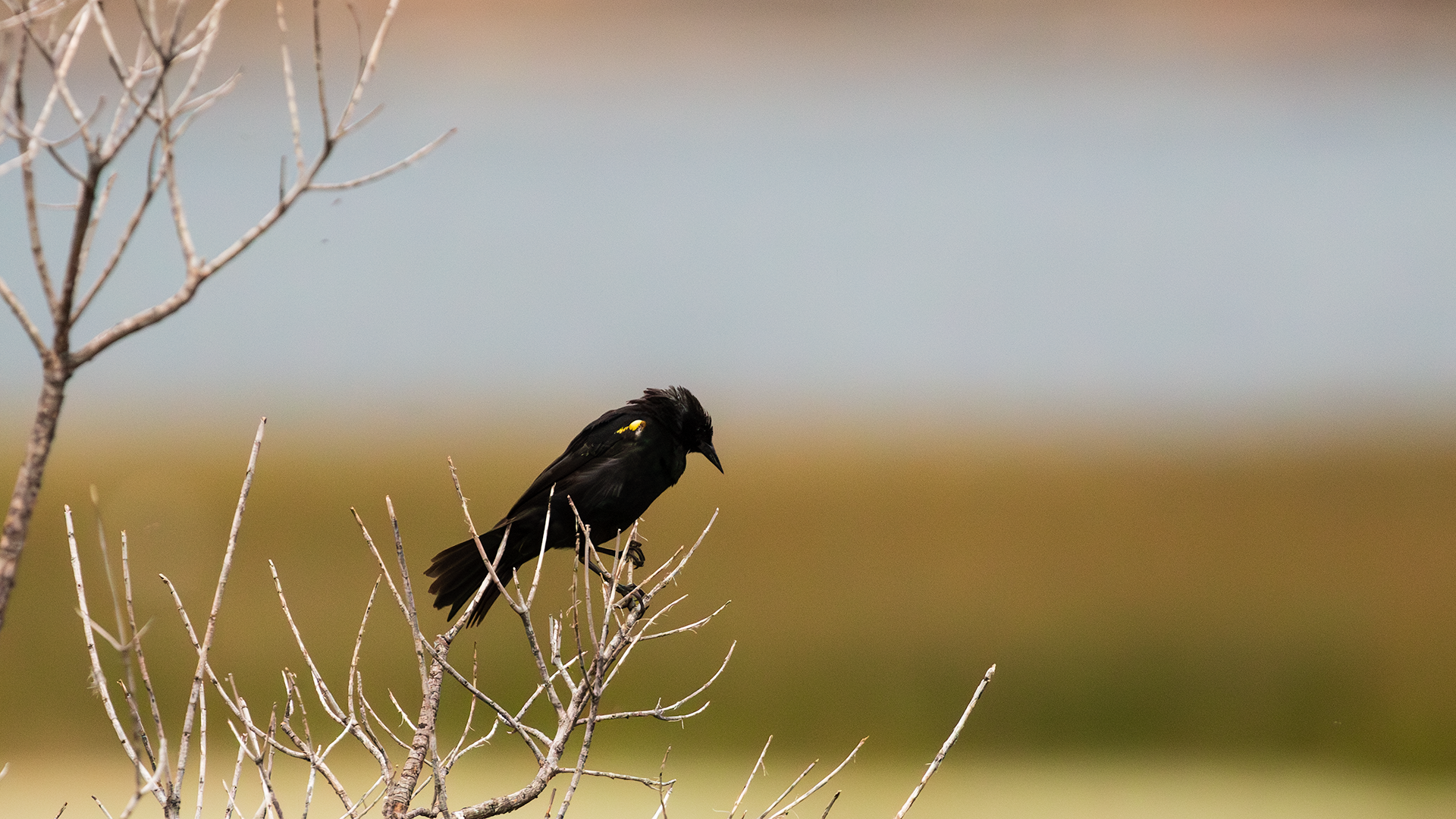
Rarely seen far from water, this handsome blackbird is fairly common, but is sometimes local in wetlands, around lakes, and in nearby fields; usually in small flocks and breeds colonially in reed beds. Feeds mainly on or near the ground, but often perches in reeds. Diagnostic yellow shoulder of male can be concealed at rest, but is obvious in flight. Streaky female rather unremarkable, but often in the company of males: note the bold pale eyebrow and streaked underparts.
Peru . Lake Titicaca . 2025