Passions have taken a hard left (or is it right?) turn since very much the time I wrote the Step 3 piece
at the end of January. I was planning on writing these steps to the future of Lens and Atlas every month and it is already July of 2026. After the Whooping Crane trip to
Port Aransas, getting the UAV license and getting the second adventure van trip under our belts, I found myself getting sucked into the world of Birding. The first couple of
months were slow, like putting your first steps into quicksand. Then the irreversible suction started and now this entire page is going to be about Birding and my journey
through it over the last six months. What happens to the rest of the ideas around van life, photography etc.? They are still there just waiting to see where Birding takes me.
It’s the journey anyway. So here we go, with an update on where I am at the end of June 2026 in my Birding journey. To start, I had to find out what was the last statement
I made about Birding in my last post – “I now have 83 bird species recorded to eBird and those are all with photos. Show me the evidence or it did not happen. And as of
today, I am ranked around 2,500 for 2026 in Texas. The target will be to reach 200 species by the end of this year. Should be possible given the immense variety we are
blessed with in Texas but like all things, consistency and dogged pursuit.”
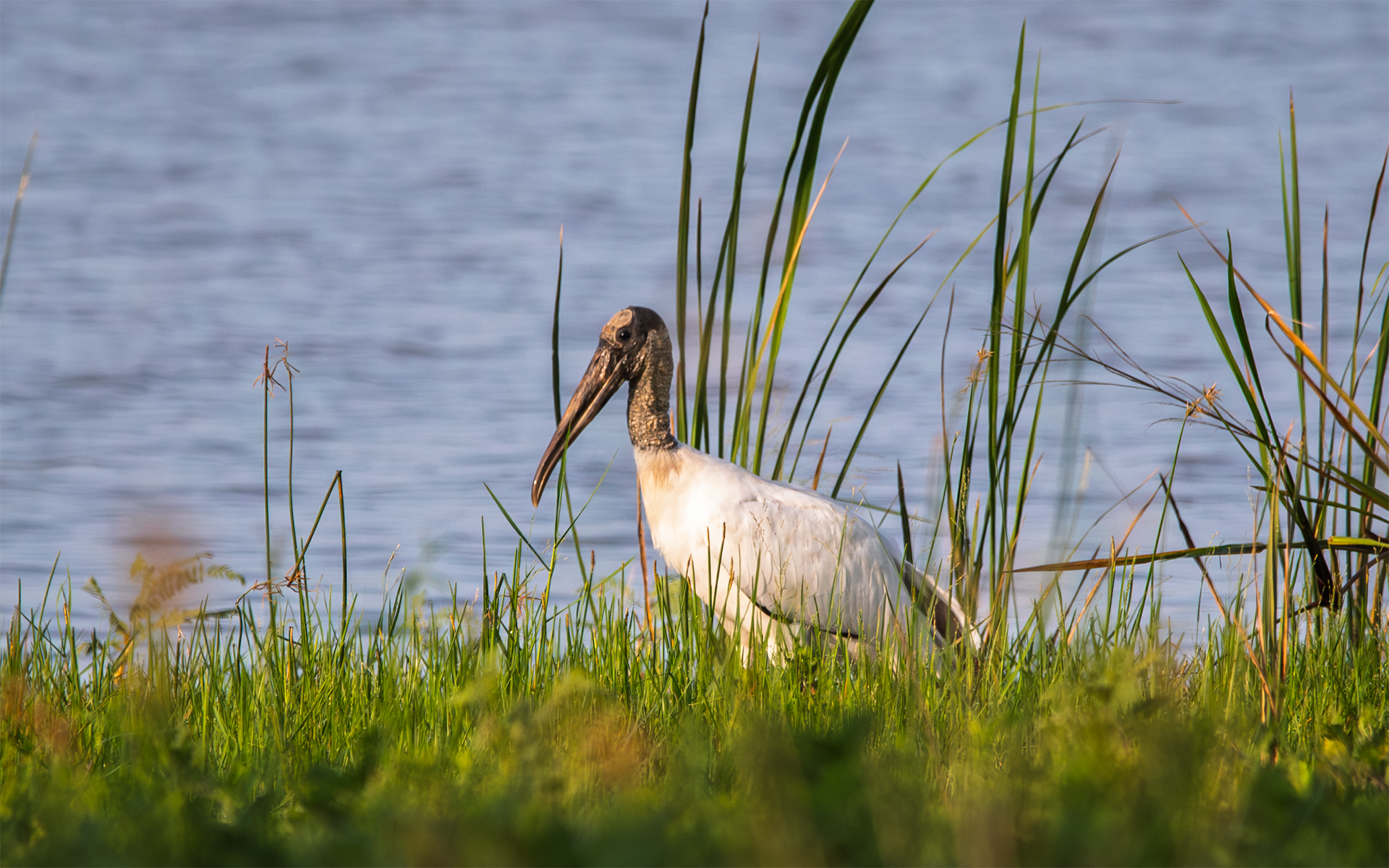 As of July 7, 2026, I already have 253 species on eBird and 215 from Texas, putting
me at rank 937 in Texas for 2026. That Wood Stork is the 250th species I got recently. It’s nothing compared to what the veterans do, but I am loving every moment of this
dopamine-laced hobby. And more than the numbers, the learning curve is exhilarating.
As of July 7, 2026, I already have 253 species on eBird and 215 from Texas, putting
me at rank 937 in Texas for 2026. That Wood Stork is the 250th species I got recently. It’s nothing compared to what the veterans do, but I am loving every moment of this
dopamine-laced hobby. And more than the numbers, the learning curve is exhilarating.
Yes, it is hours of work watching the birds, sound IDing them and getting photos and then processing them. Painstakingly going through each one, querying them on Merlin, getting disappointed about the ones which I was sure was a lifer and then the sudden rush of happiness when an unexpected new bird turns up in the pile of a thousand photos. It is an unconventional way of learning, but I do want to go up the learning curve at a breakneck speed and this approach of taking photos and learning through them is working. I can confidently identify three out of four birds that I see at my regular haunts, and at least on a few occasions I have pointed out a new bird to veteran birders. I also feel that trying to capture a photo of every new bird that I see or not recording it as a lifer is a more honest approach than relying just on the fleeting moment when I first see the bird. Of course, after a while the species that you can identify become hard coded as you start to recognize the sound, the flight pattern, the specific trees the bird is found on, even the basic silhouette of the bird in bad light. Then I can confidently identify it without a photo, but till then I will keep the receipts.
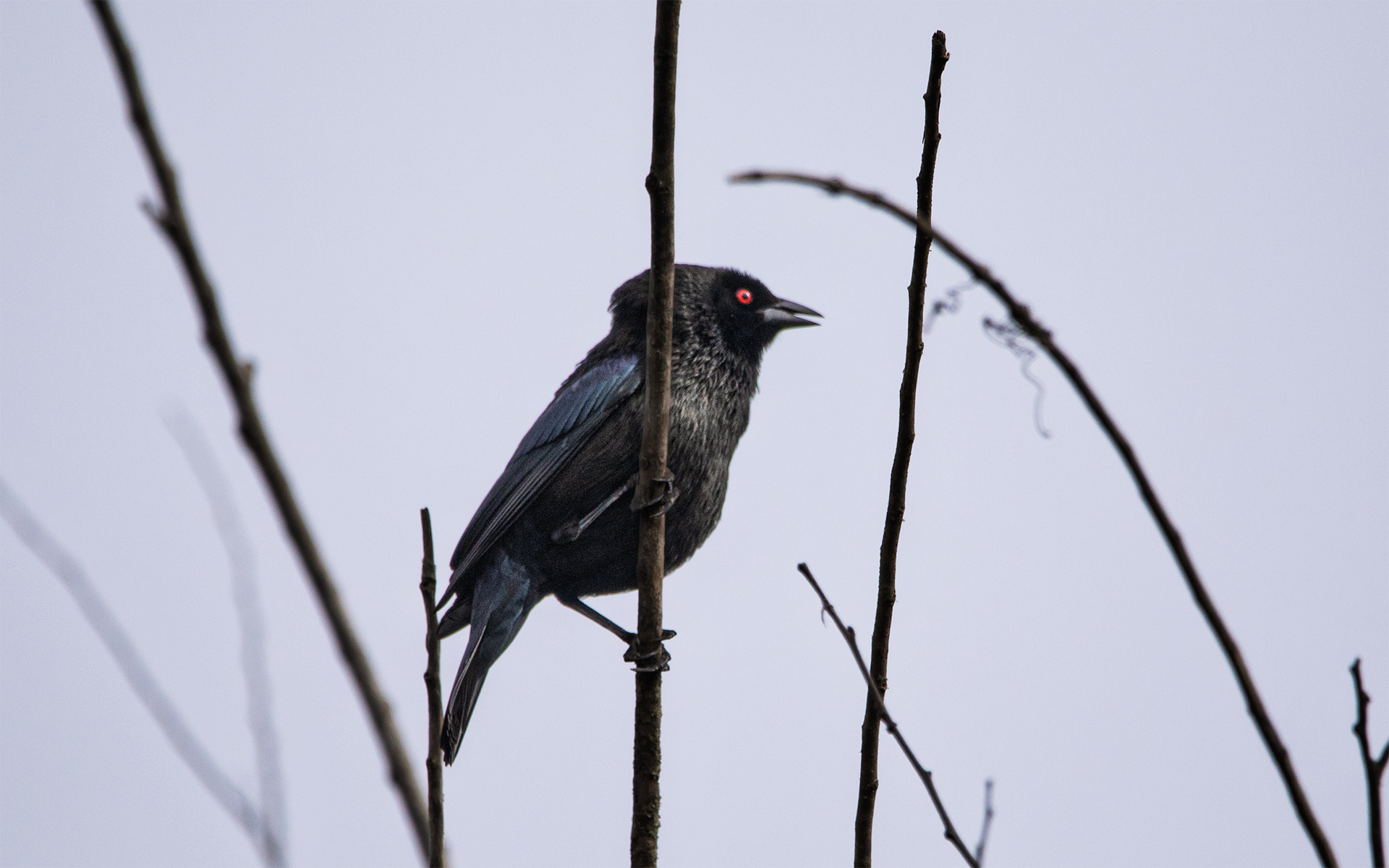 Birding like anything else in life mostly about showing up, day after day and sometime at night, through rain or shine and just be relentless. It is a simple probability game. The birds don’t care that you are fascinated by them, they are on their own journey which for most birds’ spans continents, thousands of miles and conditions that most of us will dare not step into. We want to see them, count them, make lists of them for a plethora of reasons - our competitive nature, mental wellbeing, OCD, childhood memories, genuine conservation effort or just for the fact that we love them – but the birds are just following innate behaviors encoded into their genes over millions of years. And when they do arrive and you are there, you see them. As simple as that.
I find mapping and planning field trips a particularly pleasurable aspect of birding and eBird makes it feel like a real treasure hunt. In the beginning, the trips were easy to plan - get a list of target birds, look for their frequency in nearby hotspots, go there and get them. But as the number of target species dwindle with each new one you get, planning and mapping gets more complex. Now you are scouring for new or rare bird alerts on eBird and if you are lucky then local birding WhatsApp groups. You are looking for lifers that are hours of drive away and consume entire weekends. But as with any pursuit, the journey is more exciting. I have started trips at 4 AM, driven for hours and returned with absolutely nothing but dejection. It is also not just about looking up sighting data from eBird but comparing that with the local weather conditions, or tide conditions if you are going to the coast, that matters. Mapping opens up fascinating aspects of birding too like the fact that just north of a major highway where I live, you can find Red Headed Woodpecker and they are highly unlikely south of that highway!
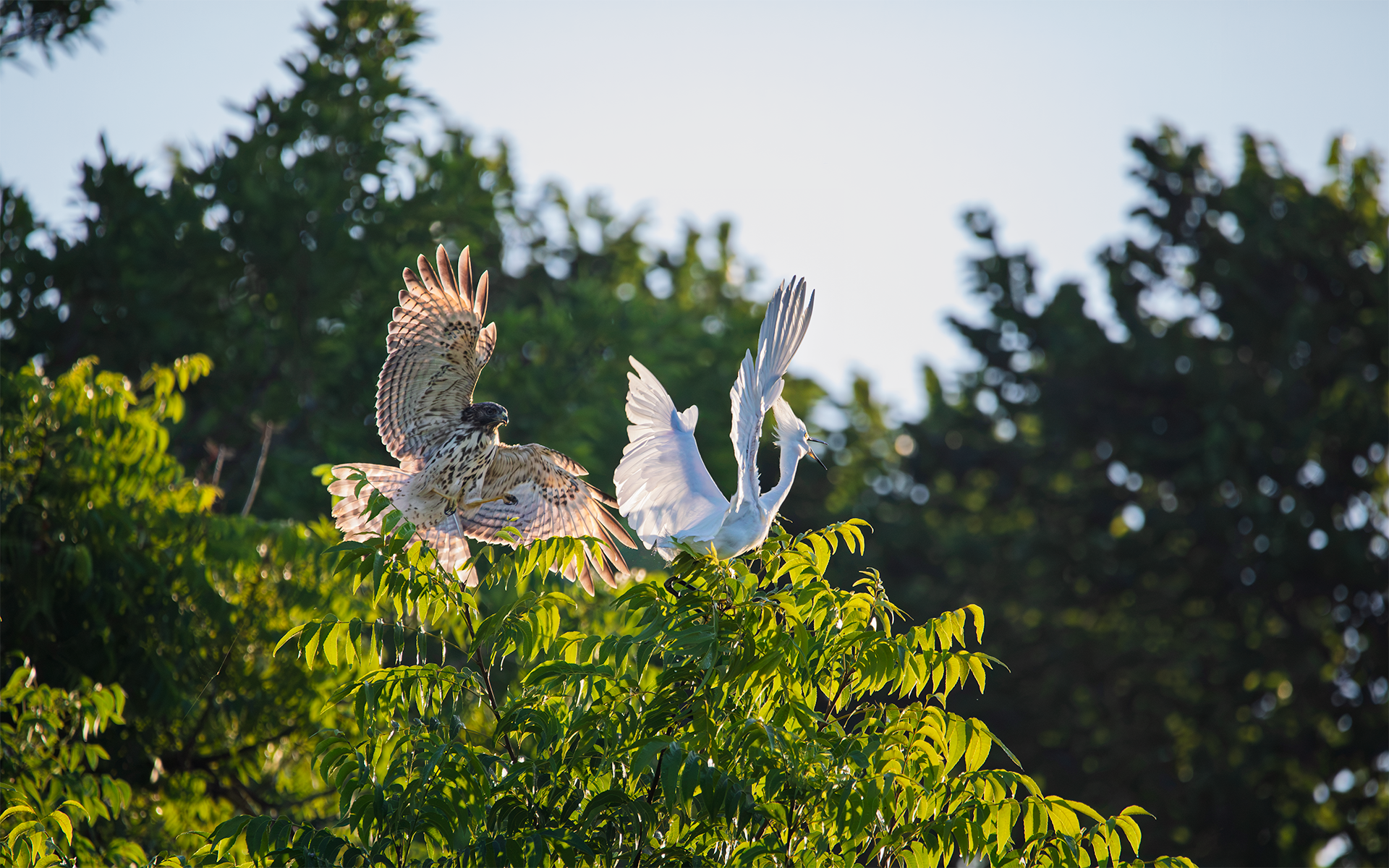 And somewhere in these last few months, I absolutely fell head over heels in love with the birds – all of them. From the Cardinals, Chickadees and Wrens that come to the feed every day to the exotic Blackburnian Warbler that I have only seen once. They are special in their own ways, and you start to appreciate their little quirks the more you see them. The same bird that you see every day might do something the fiftieth time that will absolutely blow your mind. I see Red Shouldered Hawks and Snowy Egrets almost every day, but only today I saw the Hawk attack an unsuspecting Egret as it flew from the stream where it was feeding, to a nearby perch. Probably it happens more frequently than I am guessing, but I had to be at the spot for that very split second when it happened. And this unpredictability is what makes birding exciting even during lean times like summer in Texas when we see less new species.
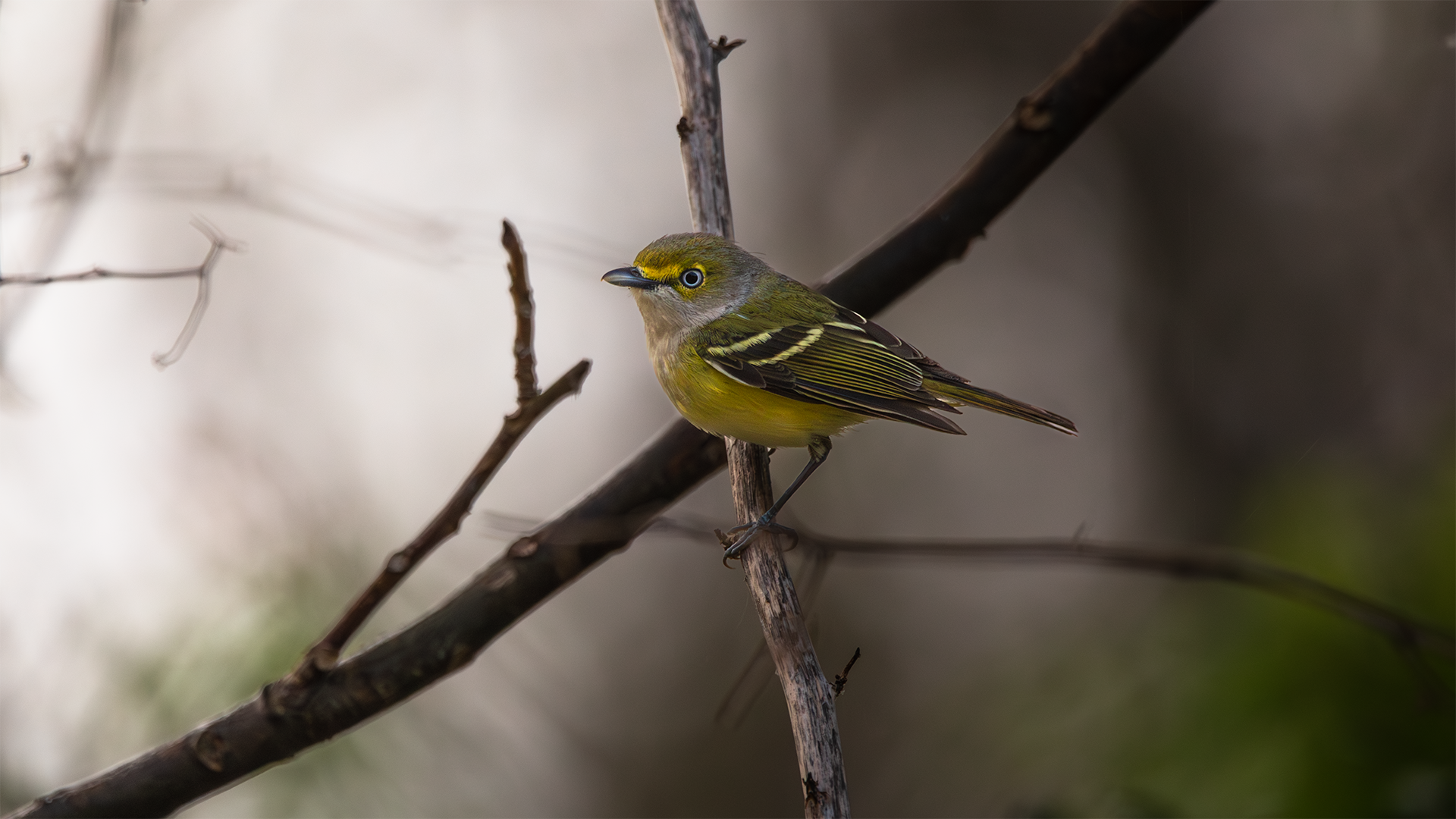 The birding quicksand sucked me in slowly and then with an ever-increasing drag force that overtook all other engagements that I could dedicate time to.
The obsession comes in many forms. The first one was obviously about getting a photo of a bird that is common but difficult to see. You hear them all the time but rarely
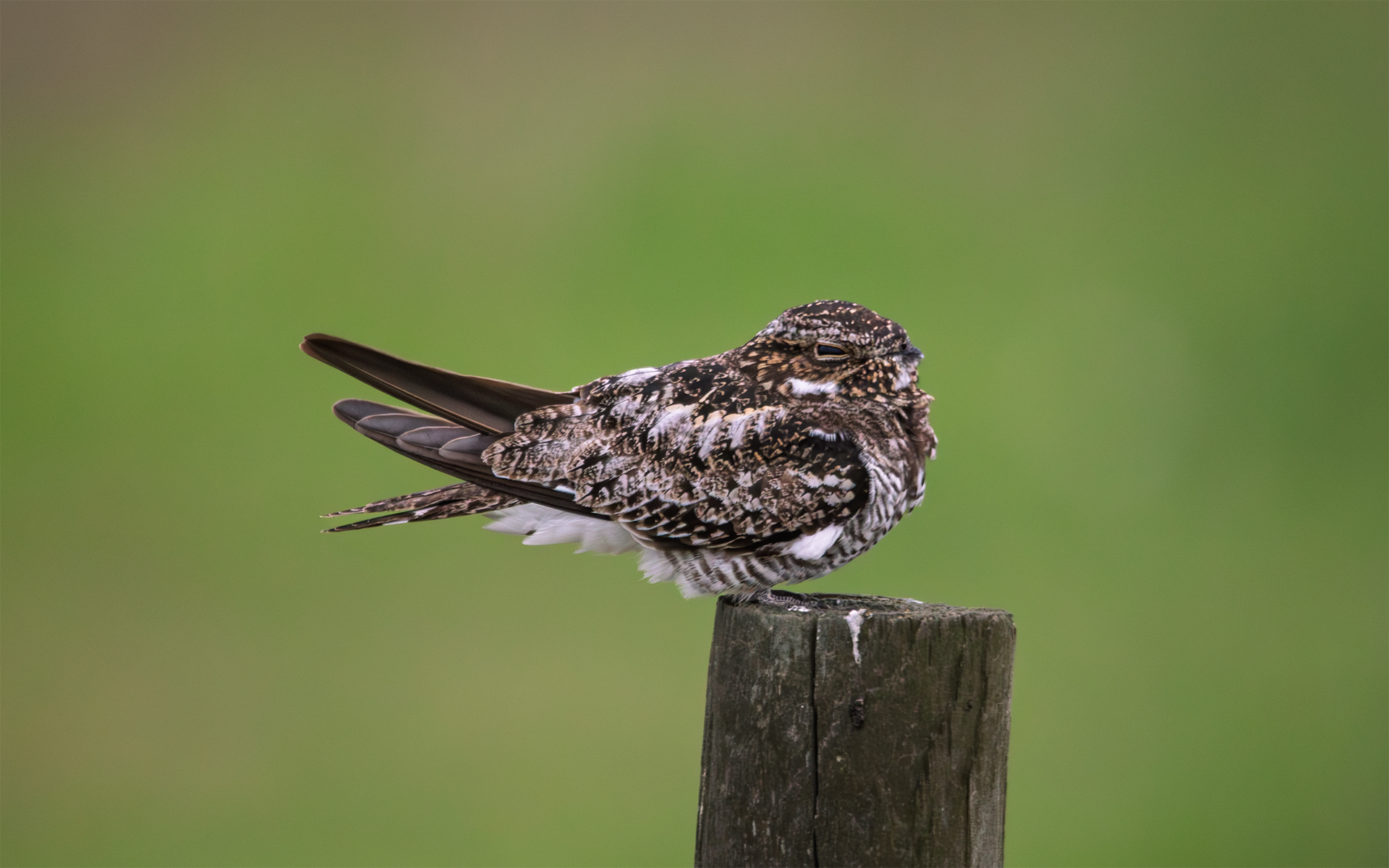
see them. The most notorious of them for me were the White Eyed Vireo, Common Nighthawk and Common Yellowthroat. It took me months to get the first photos of them.
But the funny part is that once you see them, you start to see them more frequently. Maybe it is the red car effect. For me it is always difficult to guess the size of the
bird in real life when all the references I have for it are from stock photos which are often heavily cropped.
The birding quicksand sucked me in slowly and then with an ever-increasing drag force that overtook all other engagements that I could dedicate time to.
The obsession comes in many forms. The first one was obviously about getting a photo of a bird that is common but difficult to see. You hear them all the time but rarely
see them. The most notorious of them for me were the White Eyed Vireo, Common Nighthawk and Common Yellowthroat. It took me months to get the first photos of them.
But the funny part is that once you see them, you start to see them more frequently. Maybe it is the red car effect. For me it is always difficult to guess the size of the
bird in real life when all the references I have for it are from stock photos which are often heavily cropped.
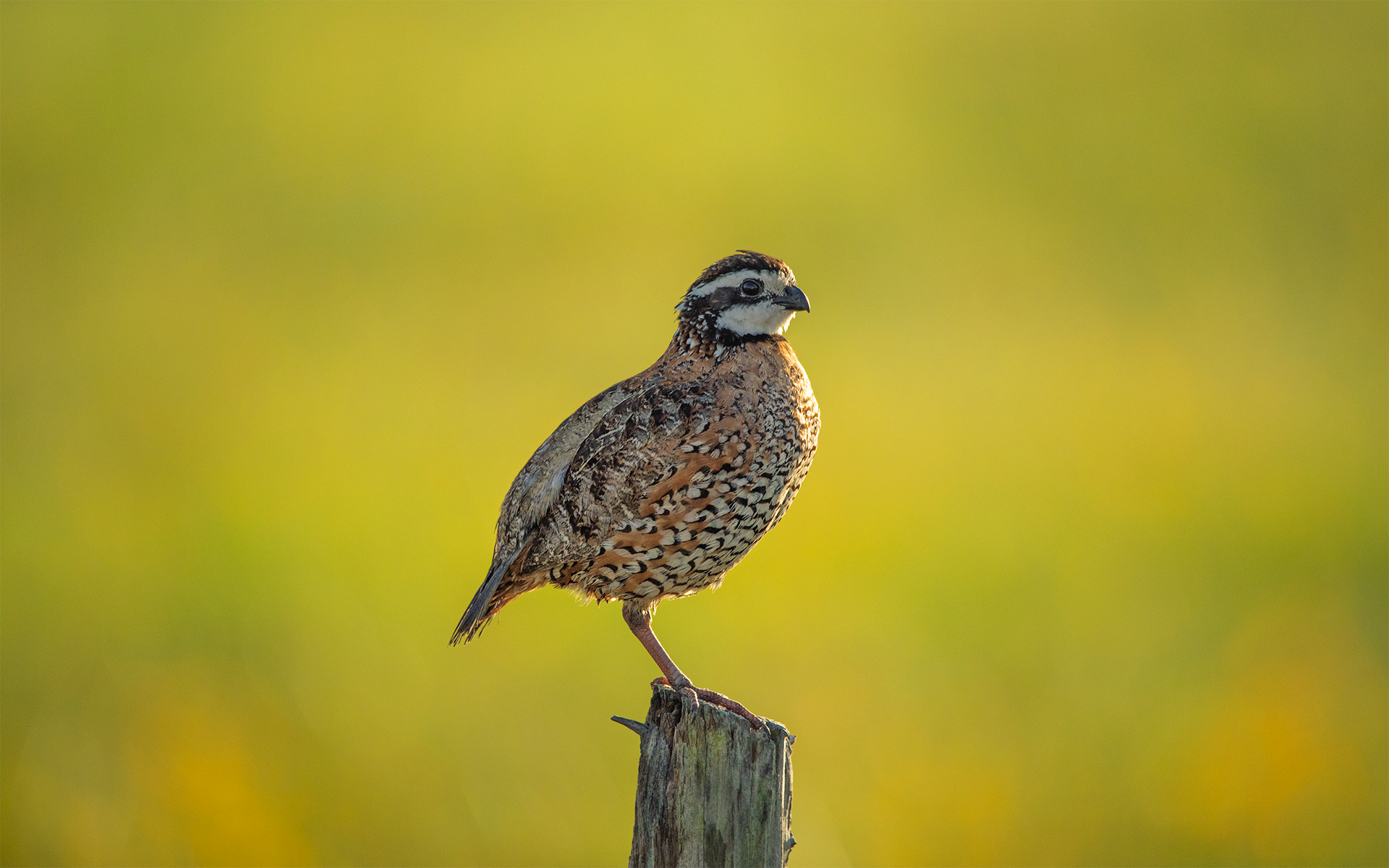 Then there are the truly hard to find birds (at least in the area that you regularly visit, they might be common in other regions). For me those were Northern Bobwhite, Horned Lark and several of the Warblers. I have obsessed with seeing a Bobwhite for so long that one morning a dream of seeing one in a specific hotspot woke me up. I had to run there and to my utter shock, the Bobwhite was there, just like that, perched on a fence pole and I have not seen one since! But there are also the ones that I chanced upon when least expecting them like the Dickcissel, a flock of Fulvous Whistling Duck and most recently a Wood Stork. Then there is the sense of loss when I have moved on from a location when I knew there was the bird that I was looking for or did not have the time to go to a location in the first place.
Early on one day while passing the elementary school on my regular bird walk, Merlin heard an Inca Dove. Thinking it was just a dove and how hard it could be to find one, I just ignored it and kept walking. I have not found the Inca yet. The biggest regret till date was Lazuli Bunting. It was a rare bird (to my defense I was not very aware of the concept of rare bird sightings at the time) in my location. The day it was first sighted our local expert told me that it might be there in a location that is the easiest to get to. And I just ignored it. Everyone in the county got a picture of the Bunting and I completely missed it.
Such is the emotional journey Birding takes you through. In the early days (and during major migration seasons, look at the bump in April!) you get a lot of lifers in every trip you make, since you are recording every bird for the first time. Then it starts to wind down to a just a few per trip and then weeks pass between getting anything new. However, the excitement of getting a lifer grows inversely. Each new species is a bigger challenge that comes with an ever-escalating shot of dopamine. But then it also means that you start looking harder and more often. I am convinced that Birding is a serious form of addiction!
 A side effect of Birding has been about visiting places that I would have never visited which include rice fields, sod fields, landfills, shorebird sanctuaries, bird fall out areas near the coast and some really sketchy neighborhoods. I am guilty of slowing down in front of vehicles or even abruptly stopping to see what I thought was a bird and have been flipped by several irate drivers. I am sorry.
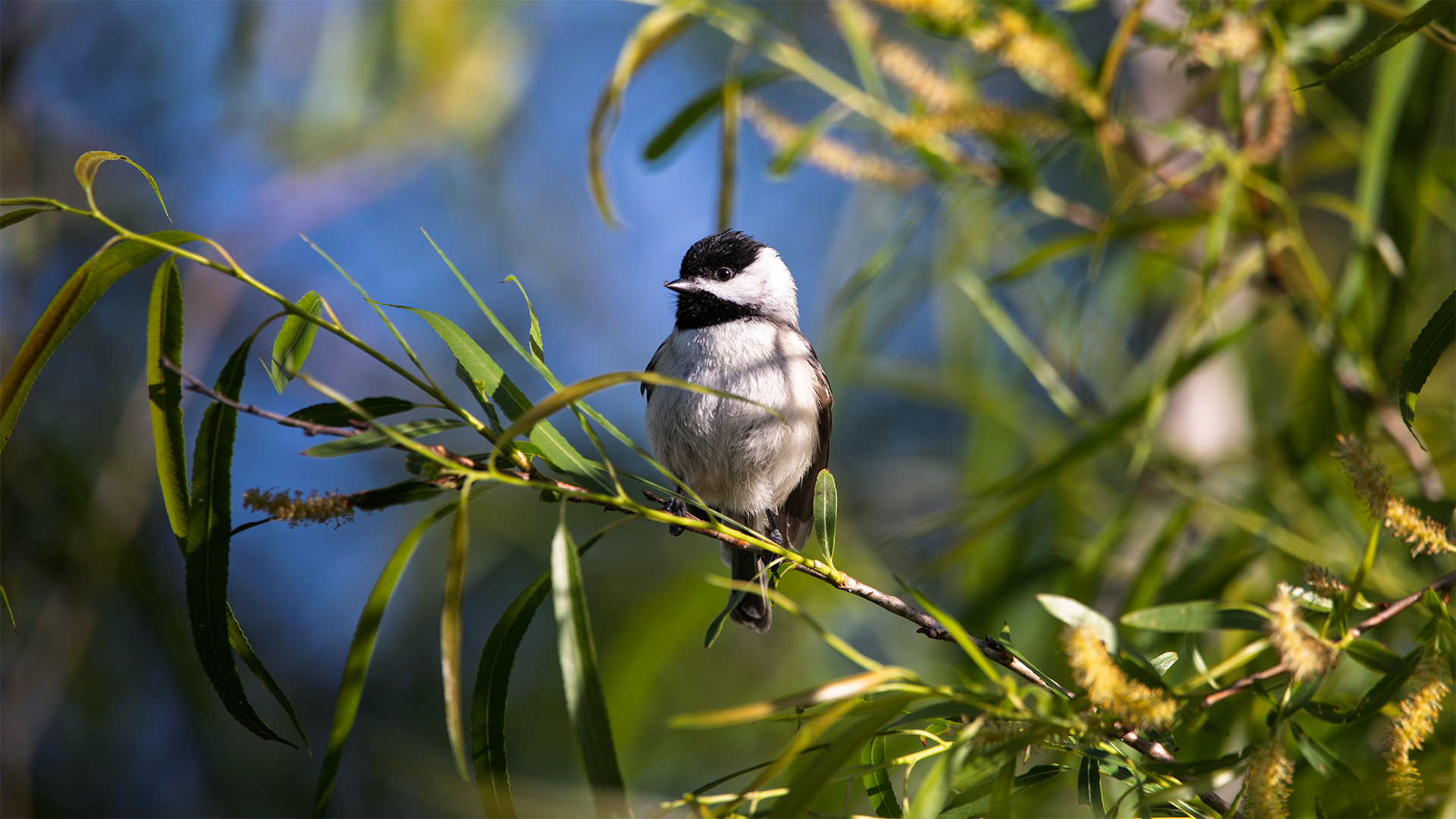 This Carolina Chickadee picture is the second best rated that I have on eBird (the Bobwhite picture is number one). My photography journey has also evolved significantly in the last six months. It has also taken several turns in my approach to bird photography – should I focus on the details of the bird and make them perfect portraits or should I focus on the habitat and make more environmental shots, should I focus certain birding sessions only on photography or keep the focus on getting more species – and I don’t have any perfect answers. However, I am clear that I love birding more than photographing them. I aspire to be a great birder who can also take some stunning pictures. Seeing a new bird or even a bird that I don’t see often is far more exciting than getting the perfect portrait of a bird. Over these six months, my photography skills have also improved multifold, especially the ability to quickly identify the bird, lock focus, and keep the bird in auto focus. In fact, several times in a birding location other birders have come to me and told me how they liked the pictures I take. I do feel that I am now limited by the Canon DSLR system that I have and am so ready to move to a mirrorless system later in the year. I want to move to a Sony system with their stunning A7Rvi launched a month back, but I am apprehensive about the learning curve I am adding to my journey. But nothing good comes easy.
 During the last six months I have also met some fascinating humans. Experts who have dedicated decades to the hobby and are passionate about every aspect of birding from their field markings to vocalization and even to how they are hybridizing as their ranges overlap. And they have all been so open to sharing their knowledge and pointers. Listening to them I realize how much more there is to learn and that is probably the greatest thing about Birding, it is a hobby as big as the planet and probably something that no one person can learn everything about in a lifetime.
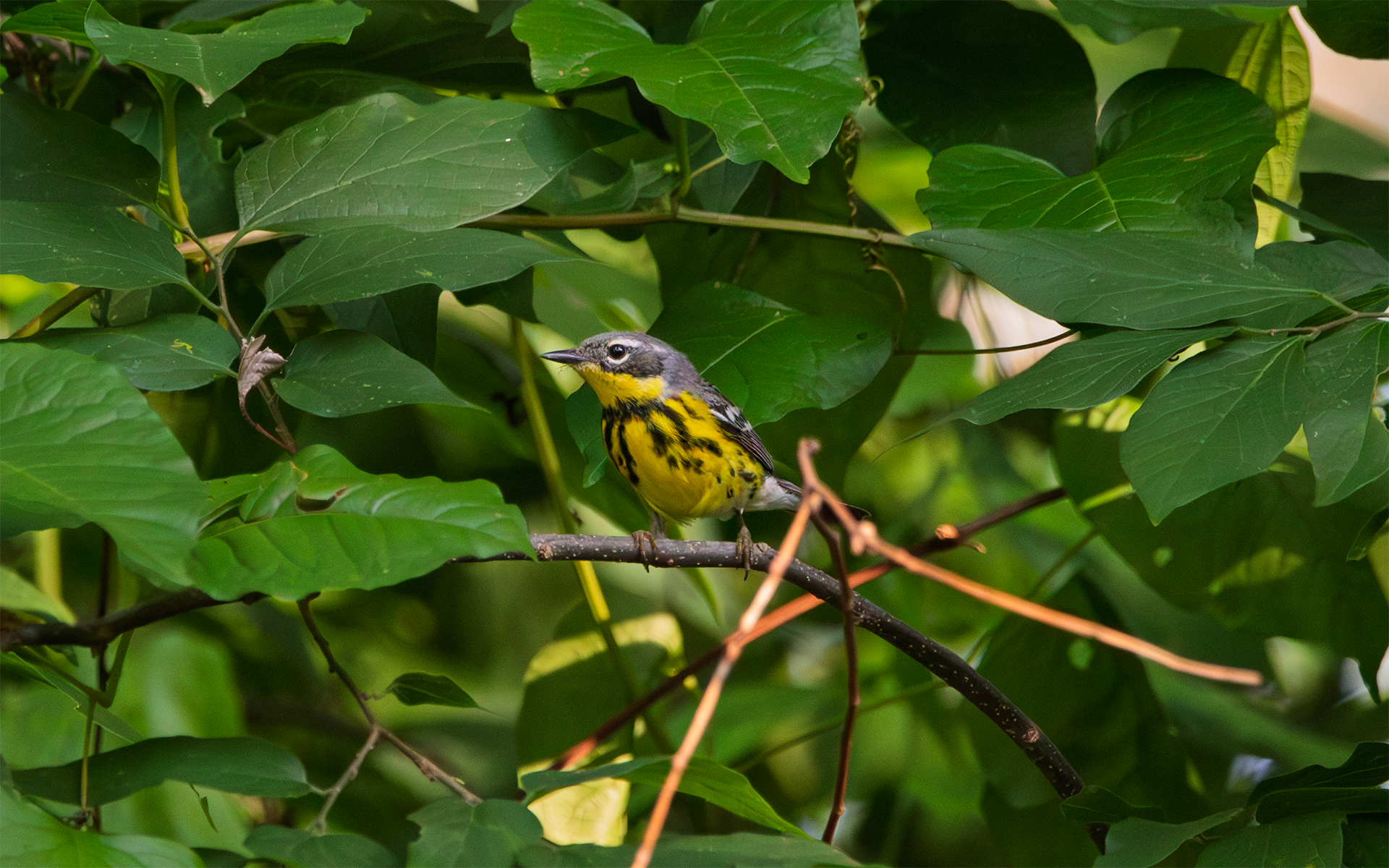
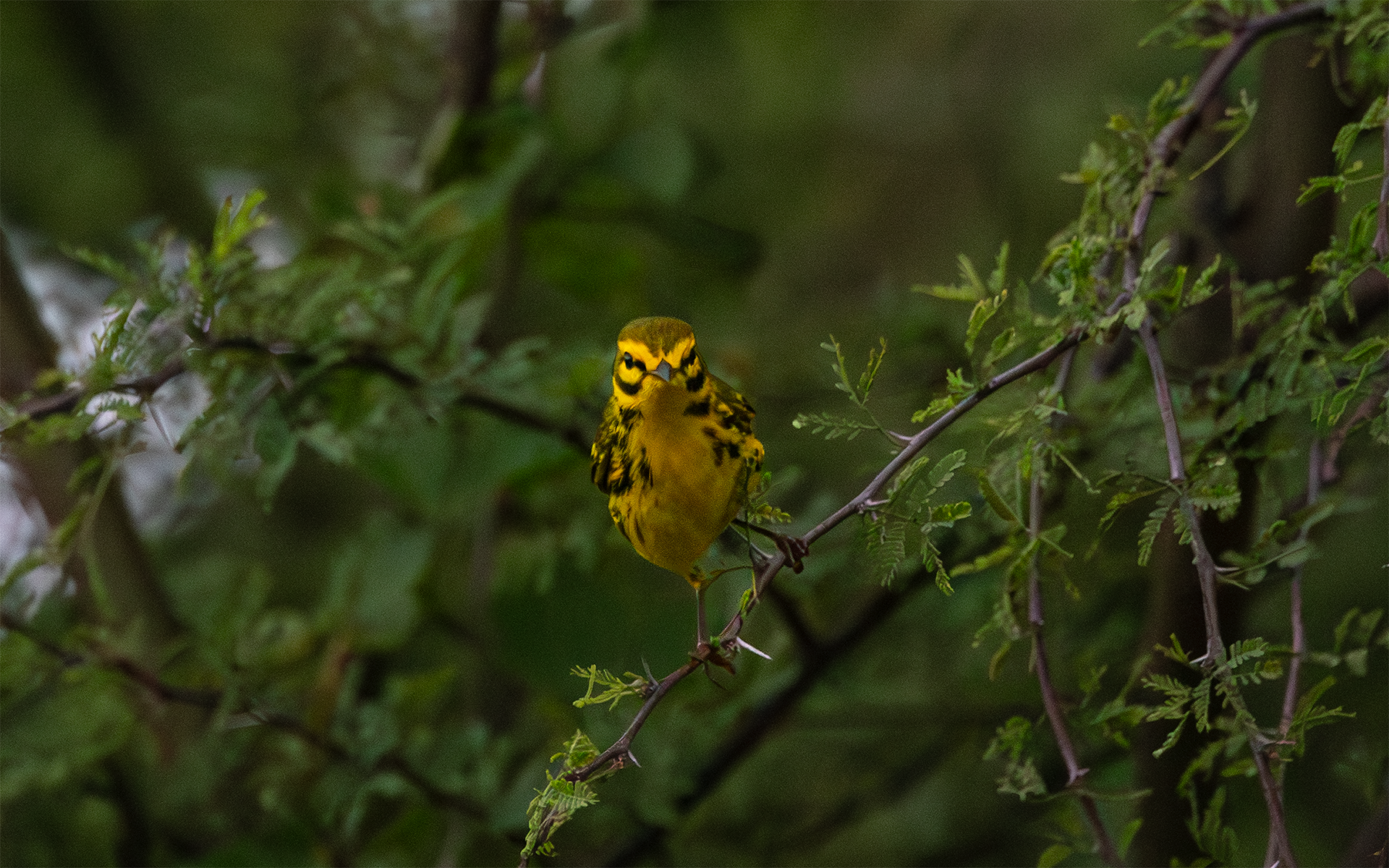
I have also experienced the outside world the last six months in a very different way. It is like slow meditation around a world that morphs as the planet makes its trip around the sun. Migrating birds, their hatchlings and juveniles which often look nothing like the adults, their mating calls, nest building alongside the changing vegetation, often interrupted by weather events like a storm or a cold front is like watching a elaborate tapestry unfold in ultra slow motion. At a daily level nothing seems to change but if I look back at the last six months everything has changed. We don’t see the American Goldfinch anymore which were at one time dominating the feeders, the juveniles of the little blue heron are actually a beautiful patchwork of indigo and white and warblers create a wash of brilliant color for just about two months in the spring. The Mississippi Kites have dominated the utility wires since we first saw them in April. And I am so waiting for the Yellow Rumped Warbler to come back.
 I will try to make another update at the end of the year to capture what the next six months have in store. And it won’t be Birding if I don’t set up a few challenges for 2026 and 2027. We will revisit them by the end of the year.
2026 Goals
2027 Goals (Preliminary)
Until then! Happy Birding.